
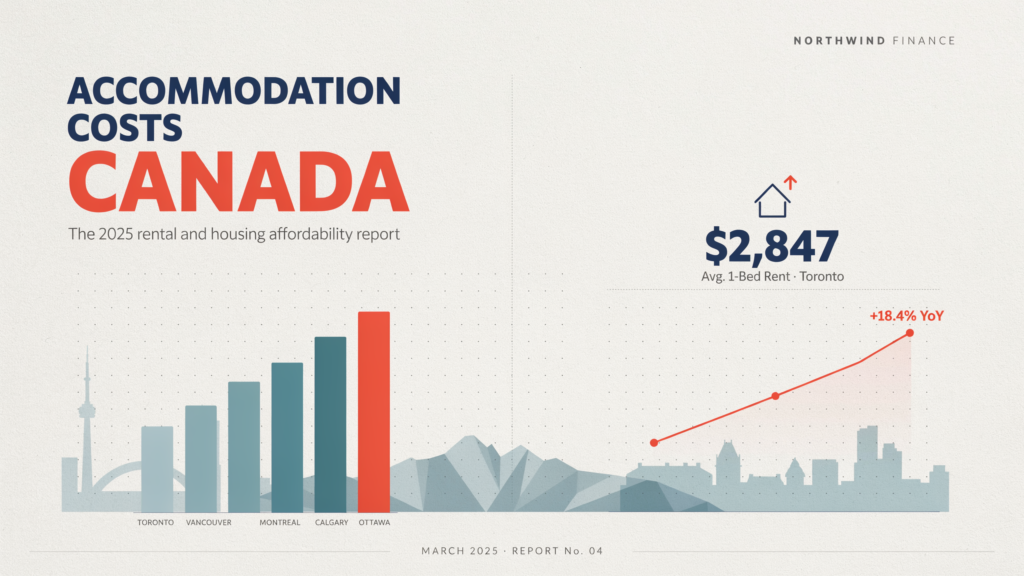
Canada is one of the most popular destinations for students, tourists, immigrants, and professionals from around the world. Whether you are planning a short visit or moving permanently, understanding accommodation costs in Canada is essential for managing your budget properly.
Housing expenses are often the largest monthly cost in Canada. Prices vary significantly depending on the city, type of accommodation, lifestyle, and location. Major cities like Toronto and Vancouver are generally more expensive than smaller cities or rural areas.
In this guide, we will explore accommodation costs across Canada, different housing options, average rental prices, and practical ways to save money.
Why Accommodation Costs in Canada Are Important
Canada offers a high quality of life, excellent public services, and strong job opportunities. However, housing costs have increased in recent years, especially in major urban centers.
Before moving to Canada or planning an extended stay, it is important to understand:
- Average rent prices
- Utility costs
- Temporary accommodation expenses
- Student housing rates
- Shared accommodation options
- Regional price differences
Proper planning can help you avoid financial stress and find suitable housing within your budget.
Types of Accommodation in Canada
Canada offers several accommodation options depending on your needs and financial situation.
Apartments
Apartments are one of the most common housing choices in Canada. They are available in various sizes, including:
- Studio apartments
- One-bedroom apartments
- Two-bedroom apartments
- Luxury condos
Apartments in downtown areas are usually more expensive than suburban locations.
Shared Accommodation
Many students and young professionals choose shared accommodation to reduce costs. This usually involves renting a room in a house or apartment and sharing common areas like the kitchen and bathroom.
Shared housing is very popular in cities with high rent prices.
Basement Apartments
Basement apartments are common in Canadian cities. These units are located in the basement level of a house and are usually cheaper than standard apartments.
Many newcomers choose basement apartments because they are more affordable.
Student Residences
Universities and colleges often provide on-campus housing for students. These accommodations may include:
- Dormitories
- Shared rooms
- Private student apartments
Student residences often include utilities and internet in the total price.
Homestays
Homestays are popular among international students. In this arrangement, students live with a Canadian family and often receive meals as part of the package.
Homestays can provide cultural experiences and help newcomers adjust to life in Canada.
Hotels and Short-Term Rentals
Tourists and short-term visitors often use:
- Hotels
- Motels
- Airbnb rentals
- Vacation apartments
These options are generally more expensive than long-term rentals.
Average Accommodation Costs in Canada
Accommodation prices vary widely across the country. Below are estimated monthly rental prices in major Canadian cities.
Toronto
Toronto is one of the most expensive cities in Canada.
Average monthly rent:
- Studio apartment: CAD 1,800–2,300
- One-bedroom apartment: CAD 2,200–2,800
- Shared accommodation: CAD 800–1,400
Downtown Toronto usually costs much more than suburban areas.
Vancouver
Vancouver has some of the highest housing prices in Canada.
Average monthly rent:
- Studio apartment: CAD 1,900–2,400
- One-bedroom apartment: CAD 2,300–3,000
- Shared accommodation: CAD 900–1,500
Housing near public transportation is especially expensive.
Montreal
Montreal is more affordable compared to Toronto and Vancouver.
Average monthly rent:
- Studio apartment: CAD 1,000–1,400
- One-bedroom apartment: CAD 1,300–1,800
- Shared accommodation: CAD 500–900
Montreal is popular among students because of its lower living costs.
Calgary
Calgary offers relatively affordable accommodation and strong job opportunities.
Average monthly rent:
- Studio apartment: CAD 1,100–1,500
- One-bedroom apartment: CAD 1,400–1,900
- Shared accommodation: CAD 600–1,000
Ottawa
Ottawa provides a balanced cost of living with good public services.
Average monthly rent:
- Studio apartment: CAD 1,200–1,700
- One-bedroom apartment: CAD 1,600–2,100
- Shared accommodation: CAD 700–1,100
Halifax
Halifax has become increasingly popular among students and immigrants.
Average monthly rent:
- Studio apartment: CAD 1,000–1,400
- One-bedroom apartment: CAD 1,300–1,700
- Shared accommodation: CAD 500–900
Accommodation Costs for Students in Canada
International students often spend a large portion of their budget on housing.
On-Campus Housing
Average yearly cost:
- CAD 8,000–15,000
This usually includes:
- Furnished rooms
- Internet
- Utilities
- Meal plans in some cases
Off-Campus Housing
Students renting off-campus apartments may spend:
- Shared room: CAD 500–1,200 monthly
- Private apartment: CAD 1,200–2,500 monthly
The total cost depends heavily on the city and neighborhood.
Utility Costs in Canada
In many rentals, utilities are not included in the monthly rent.
Typical utility expenses include:
- Electricity
- Heating
- Water
- Internet
- Garbage collection
Average monthly utility costs:
- Utilities: CAD 100–250
- Internet: CAD 50–120
Heating costs may increase significantly during winter months.
Factors Affecting Accommodation Costs in Canada
Several factors influence housing prices.
Location
Downtown areas are more expensive than suburbs or smaller towns.
Property Size
Larger apartments naturally cost more.
Furnished vs Unfurnished
Furnished apartments usually come at a higher price.
Transportation Access
Properties near subway stations, bus routes, or city centers are often more expensive.
Seasonal Demand
Rental prices may increase during student intake seasons or tourist periods.
Cheapest Places to Live in Canada
Some Canadian cities offer lower accommodation costs than major metropolitan areas.
Affordable cities include:
- Winnipeg
- Regina
- Saskatoon
- Quebec City
- Moncton
- Edmonton
These cities may provide better value for renters looking to save money.
Tips to Save Money on Accommodation in Canada
Finding affordable housing in Canada can be challenging, but several strategies can help reduce expenses.
Choose Shared Housing
Sharing accommodation with roommates significantly lowers rent and utility costs.
Live Outside Downtown Areas
Suburban neighborhoods usually offer lower rental prices.
Use Public Transportation
Living near transit routes can help you avoid owning a car, saving additional money.
Search Early
Starting your housing search early gives you more options and better pricing opportunities.
Compare Multiple Listings
Always compare prices, amenities, and locations before signing a lease.
Negotiate Rent
In some cases, landlords may negotiate prices, especially for long-term tenants.
Temporary Accommodation Costs in Canada
Newcomers often stay in temporary housing before finding permanent accommodation.
Estimated daily costs:
- Budget hotels: CAD 80–150
- Mid-range hotels: CAD 150–300
- Airbnb rooms: CAD 50–150
- Hostels: CAD 30–70
Temporary accommodation costs can add up quickly, so planning ahead is important.
Is Accommodation Expensive in Canada?
Compared to many countries, accommodation in Canada can be expensive, especially in large cities. However, salaries and employment opportunities are generally higher as well.
Smaller cities and provinces offer more affordable living options while still maintaining a high quality of life.
Your total housing expenses depend on:
- Lifestyle
- Family size
- City choice
- Housing type
- Transportation needs
Final Thoughts
Accommodation costs in Canada vary greatly depending on the city and type of housing you choose. Toronto and Vancouver remain the most expensive cities, while places like Montreal, Calgary, and Halifax offer more affordable options.
Students, immigrants, workers, and tourists should carefully research housing prices before moving to Canada. Budgeting properly for rent, utilities, transportation, and daily expenses can make your experience much smoother.
Whether you choose shared accommodation, student housing, or private apartments, understanding the Canadian housing market will help you make smarter financial decisions and find a comfortable place to live.

Hi, I’m Tanvir, the founder and author of Explore Ireland Now. With a deep love for Ireland and its rich culture, history, and landscapes, I created this site to share everything that makes this beautiful country worth exploring. Whether you’re a local looking for hidden gems or a traveler planning your next adventure, I provide insightful guides, tips, and recommendations to help you experience Ireland to the fullest.
From stunning landscapes to vibrant cities and quaint villages, Ireland is full of wonders waiting to be discovered. Through my personal experiences and research, I aim to bring you the most up-to-date information and inspiration for your journey.
Thank you for visiting Explore Ireland Now—I hope my content helps you uncover all that this incredible country has to offer! If you have any questions or need travel advice, feel free to reach out.