
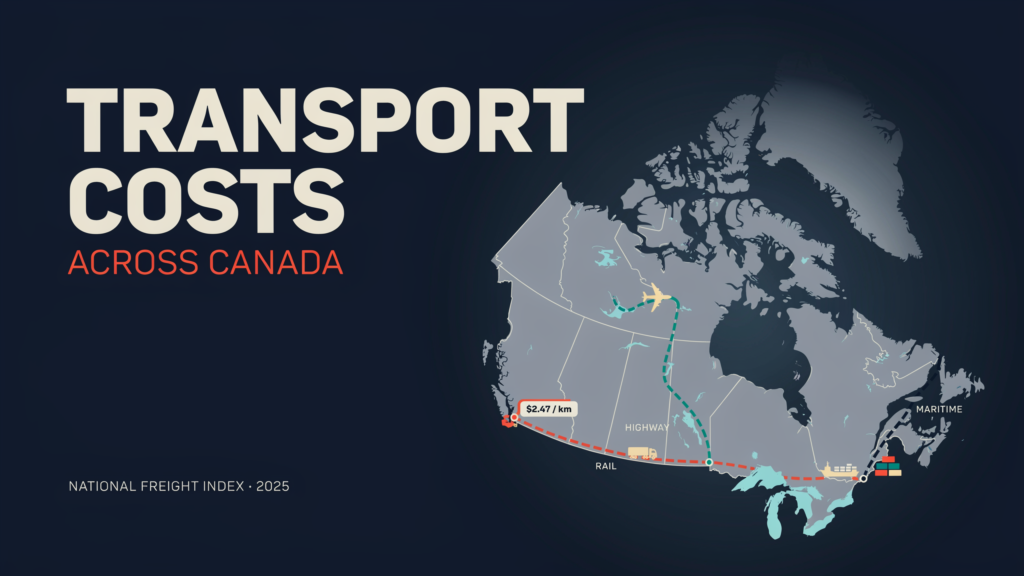
Canada is one of the largest countries in the world, and transportation plays a major role in everyday life. Whether you are commuting to work, shipping goods, traveling between provinces, or planning a vacation, transport costs in Canada can significantly affect your budget. From public transit and fuel prices to vehicle ownership and airfare, transportation expenses vary depending on location, lifestyle, and economic conditions.
In this guide, we will explore the different types of transport costs in Canada, factors that influence prices, and practical ways to save money on transportation.
Overview of Transportation in Canada
Transportation in Canada includes several major categories:
- Public transit
- Personal vehicle ownership
- Fuel costs
- Domestic flights
- Train travel
- Taxi and rideshare services
- Freight and shipping costs
Because Canada is geographically large with many rural areas, transportation costs are generally higher than in smaller countries. Urban residents often have access to affordable public transit, while people in smaller towns and rural communities usually depend on private vehicles.
Public Transit Costs in Canada
Public transportation is commonly used in major Canadian cities such as Toronto, Vancouver, Montreal, Calgary, and Ottawa. Transit systems include buses, subways, streetcars, and light rail trains.
Average Public Transit Fares
Transit costs vary by city, but here are general estimates:
- Single ride ticket: CAD 3 to CAD 4
- Monthly transit pass: CAD 90 to CAD 170
- Student and senior discounts are often available
For example, Toronto and Vancouver tend to have higher transit costs compared to smaller cities.
Benefits of Public Transit
Using public transportation can help reduce:
- Fuel expenses
- Parking fees
- Vehicle maintenance costs
- Insurance expenses
For many Canadians living in urban areas, public transit is the most cost-effective transportation option.
Cost of Owning a Car in Canada
Owning a car in Canada can be expensive due to several ongoing expenses.
Vehicle Purchase Costs
The average cost of a new car in Canada has increased significantly in recent years. Depending on the model and brand, prices may range from:
- Compact cars: CAD 25,000 to CAD 35,000
- SUVs and trucks: CAD 40,000 to CAD 70,000+
Used vehicles may offer lower upfront costs, but maintenance expenses can be higher.
Car Insurance Costs
Car insurance is mandatory in Canada and varies widely by province.
Average monthly insurance costs:
- Ontario: CAD 150 to CAD 300
- British Columbia: CAD 120 to CAD 220
- Quebec: CAD 70 to CAD 150
Young drivers and drivers with limited experience often pay much higher premiums.
Fuel Costs
Gasoline prices fluctuate regularly depending on global oil prices, taxes, and regional supply.
Average fuel prices in Canada often range between:
- CAD 1.50 to CAD 2.00 per litre
Fuel costs are usually higher in remote areas and major cities.
Maintenance and Repairs
Vehicle owners should also budget for:
- Oil changes
- Tire replacements
- Brake repairs
- Winter tires
- Registration fees
Annual maintenance costs can range from CAD 1,000 to CAD 3,000 depending on the vehicle.
Transportation Costs by Province
Transportation expenses vary significantly across Canada.
Ontario
Ontario has some of the highest car insurance rates in the country. However, larger cities offer extensive public transit systems.
British Columbia
Fuel prices in British Columbia are often among the highest in Canada, especially in Vancouver.
Quebec
Quebec generally offers lower insurance costs and relatively affordable public transportation.
Alberta
Alberta residents often enjoy lower fuel prices because of the province’s oil industry.
Atlantic Canada
Transportation costs can be higher due to longer travel distances and limited public transit options in rural communities.
Domestic Flight Costs in Canada
Because of Canada’s size, domestic flights are common for long-distance travel.
Average Airfare Prices
Typical one-way domestic flight costs:
- Toronto to Vancouver: CAD 150 to CAD 500
- Calgary to Montreal: CAD 180 to CAD 450
- Halifax to Toronto: CAD 120 to CAD 350
Prices increase during holidays, summer vacations, and peak travel seasons.
Factors Affecting Flight Costs
- Season
- Demand
- Fuel prices
- Booking time
- Airline competition
Booking early and traveling during off-peak periods can reduce airfare costs.
Train Travel Costs in Canada
Train travel is available through passenger rail services connecting many major cities.
Average Train Ticket Prices
Examples include:
- Toronto to Montreal: CAD 50 to CAD 180
- Vancouver to Calgary routes with tourism packages can cost much more
Train travel is often more comfortable but slower than flying.
Advantages of Train Travel
- Scenic routes
- Spacious seating
- Lower environmental impact
- Reduced airport stress
However, train tickets can sometimes cost more than discounted airfare.
Taxi and Rideshare Costs
Taxi services and rideshare apps are widely available in Canadian cities.
Typical Rideshare Prices
Short city rides may cost:
- CAD 10 to CAD 25
Longer airport trips may range from:
- CAD 40 to CAD 100+
Prices rise during busy hours due to surge pricing.
Shipping and Freight Costs in Canada
Businesses and consumers also face transportation costs through shipping and delivery services.
Factors Affecting Shipping Costs
- Distance
- Package weight
- Fuel surcharges
- Remote delivery locations
- International customs fees
Shipping to northern and remote communities is especially expensive.
Why Transport Costs Are High in Canada
Several factors contribute to high transportation costs in Canada:
Large Geographic Size
Canada covers vast distances, increasing fuel consumption and shipping expenses.
Harsh Weather Conditions
Snow, ice, and cold temperatures increase road maintenance and vehicle wear.
Population Distribution
Many Canadians live far from major urban centers, making transportation infrastructure more expensive.
Taxes and Regulations
Fuel taxes, environmental regulations, and insurance systems can increase costs.
Ways to Reduce Transport Costs in Canada
Canadians can save money on transportation by using smart strategies.
Use Public Transit
Monthly transit passes often cost less than maintaining a personal vehicle.
Carpooling
Sharing rides with coworkers or friends reduces fuel and parking costs.
Drive Fuel-Efficient Vehicles
Hybrid and electric vehicles can lower long-term fuel expenses.
Compare Insurance Providers
Shopping around for better insurance rates can save hundreds of dollars annually.
Book Flights Early
Airfare is usually cheaper when booked several weeks or months in advance.
Walk or Cycle
In many cities, biking and walking can eliminate transportation expenses entirely for short trips.
Transportation Trends in Canada
Canada’s transportation landscape is changing rapidly.
Electric Vehicles
Electric vehicle adoption is growing due to rising fuel prices and government incentives.
Expansion of Public Transit
Many cities are investing in subway extensions, light rail systems, and bus rapid transit.
Remote Work
Remote and hybrid work models have reduced commuting costs for many Canadians.
Sustainable Transportation
Governments are encouraging environmentally friendly transportation options to reduce emissions.
Final Thoughts
Transport costs in Canada can be substantial, especially for people who rely heavily on personal vehicles or frequently travel long distances. Public transit offers affordable options in larger cities, while rural residents often face higher transportation expenses due to limited alternatives.
Understanding the different transportation costs — including fuel, insurance, transit fares, flights, and vehicle maintenance — can help Canadians better manage their budgets. By planning ahead and exploring cost-saving strategies, it is possible to reduce transportation expenses while maintaining convenience and mobility.
As Canada continues investing in public transit, electric vehicles, and sustainable infrastructure, transportation options may become more affordable and efficient in the future.

Hi, I’m Tanvir, the founder and author of Explore Ireland Now. With a deep love for Ireland and its rich culture, history, and landscapes, I created this site to share everything that makes this beautiful country worth exploring. Whether you’re a local looking for hidden gems or a traveler planning your next adventure, I provide insightful guides, tips, and recommendations to help you experience Ireland to the fullest.
From stunning landscapes to vibrant cities and quaint villages, Ireland is full of wonders waiting to be discovered. Through my personal experiences and research, I aim to bring you the most up-to-date information and inspiration for your journey.
Thank you for visiting Explore Ireland Now—I hope my content helps you uncover all that this incredible country has to offer! If you have any questions or need travel advice, feel free to reach out.