
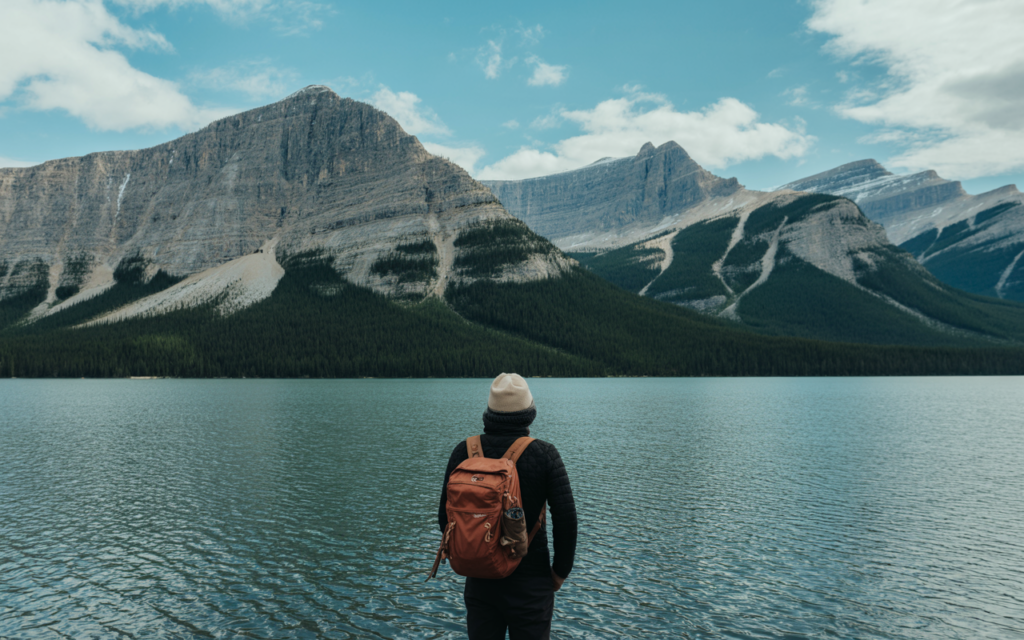
Canada is home to some of the most breathtaking landscapes on Earth. From towering mountains and turquoise lakes to rugged coastlines and vast tundra, the country’s national parks showcase the incredible beauty and diversity of its natural environment. Whether you are an adventure enthusiast, wildlife lover, photographer, or traveler seeking unforgettable experiences, Canada’s national parks offer something for everyone.
Managed by Parks Canada, these protected areas preserve the country’s natural heritage while providing visitors with opportunities to explore and appreciate the outdoors. In this guide, we’ll explore the most famous national parks in Canada, what makes them special, and why they should be on every traveler’s bucket list.
Why Canada’s National Parks Are Special
Canada has more than 40 national parks and national park reserves covering hundreds of thousands of square kilometers. These parks protect diverse ecosystems, including mountains, forests, prairies, wetlands, coastlines, and Arctic landscapes.
Some key reasons why Canada’s national parks stand out include:
- Spectacular natural scenery
- Rich biodiversity and wildlife
- World-class hiking opportunities
- Outdoor recreation activities
- Cultural and historical significance
- Commitment to conservation and sustainability
Visitors can experience everything from glacier-fed lakes and ancient forests to polar bear habitats and remote wilderness areas.
Banff National Park
Banff National Park is Canada’s oldest and most famous national park. Established in 1885, it is located in Alberta within the Canadian Rockies.
Top Attractions
- Lake Louise
- Moraine Lake
- Icefields Parkway
- Bow Falls
- Banff Gondola
Activities
Visitors can enjoy hiking, camping, skiing, wildlife viewing, canoeing, and photography throughout the year.
Wildlife
The park is home to:
- Grizzly bears
- Black bears
- Elk
- Moose
- Mountain goats
- Bighorn sheep
Banff’s stunning mountain scenery attracts millions of visitors annually and remains one of Canada’s most visited destinations.
Jasper National Park
Located north of Banff, Jasper National Park is the largest national park in the Canadian Rockies.
Highlights
- Maligne Lake
- Spirit Island
- Athabasca Falls
- Columbia Icefield
- Jasper SkyTram
Dark Sky Preserve
Jasper is recognized as one of the world’s largest accessible Dark Sky Preserves, making it a fantastic destination for stargazing and astronomy enthusiasts.
Outdoor Adventures
Popular activities include:
- Hiking
- Wildlife spotting
- Canoeing
- Camping
- Snowshoeing
- Ice climbing
Jasper offers a quieter and less crowded experience compared to Banff.
Yoho National Park
Situated in British Columbia, Yoho National Park is known for its dramatic waterfalls, towering peaks, and pristine lakes.
Must-See Attractions
- Emerald Lake
- Takakkaw Falls
- Natural Bridge
- Burgess Shale Fossil Sites
Hiking Opportunities
Yoho features numerous trails suitable for all skill levels, ranging from short nature walks to challenging alpine adventures.
The park’s name comes from a Cree expression meaning “awe,” which perfectly describes the scenery visitors encounter.
Pacific Rim National Park Reserve
Located on Vancouver Island in British Columbia, Pacific Rim National Park Reserve protects a stunning section of Canada’s Pacific coastline.
Main Areas
- Long Beach
- Broken Group Islands
- West Coast Trail
Popular Activities
- Surfing
- Kayaking
- Whale watching
- Beachcombing
- Hiking
The combination of rainforest, ocean views, and coastal wildlife creates a unique national park experience.
Gros Morne National Park
Situated in Newfoundland and Labrador, Gros Morne National Park is a UNESCO World Heritage Site.
Geological Significance
The park provides rare evidence of continental drift and plate tectonics, making it globally important for geological research.
Attractions
- Western Brook Pond
- Tablelands
- Gros Morne Mountain
- Green Gardens Trail
Wildlife
Visitors may encounter:
- Moose
- Caribou
- Foxes
- Bald eagles
Its dramatic landscapes attract hikers and nature lovers from around the world.
Cape Breton Highlands National Park
Located in Nova Scotia, Cape Breton Highlands National Park combines coastal beauty with forested mountains.
Famous Feature
The Cabot Trail, one of the world’s most scenic drives, passes through the park.
Activities
- Hiking
- Whale watching
- Camping
- Scenic driving
- Bird watching
The Skyline Trail is particularly popular for its spectacular sunset views over the Gulf of St. Lawrence.
Fundy National Park
Fundy National Park in New Brunswick is famous for the Bay of Fundy, which experiences the highest tides in the world.
What to See
- Hopewell Rocks nearby
- Waterfalls
- Coastal cliffs
- Forest trails
Activities
- Hiking
- Swimming
- Canoeing
- Tidal exploration
The constantly changing landscape creates unique opportunities for visitors to witness nature in action.
Waterton Lakes National Park
Located in southern Alberta, Waterton Lakes National Park forms part of the Waterton-Glacier International Peace Park alongside Glacier National Park in the United States.
Highlights
- Red Rock Canyon
- Cameron Falls
- Upper Waterton Lake
- Prince of Wales Hotel
Wildlife
The park is home to:
- Bears
- Wolves
- Deer
- Bison
Its combination of prairie, mountain, and lake ecosystems makes it one of Canada’s most diverse parks.
Prince Edward Island National Park
This coastal park preserves the stunning shoreline of Prince Edward Island.
Features
- Red sandstone cliffs
- Sand dunes
- Beaches
- Historic sites
Family-Friendly Activities
Visitors can enjoy:
- Cycling
- Swimming
- Walking trails
- Birdwatching
The park is also closely associated with the beloved novel Anne of Green Gables.
Auyuittuq National Park
Located in Nunavut, Auyuittuq National Park offers one of Canada’s most remote wilderness experiences.
Unique Characteristics
- Arctic landscapes
- Massive glaciers
- Deep fjords
- Rugged mountain peaks
Adventure Opportunities
The park attracts experienced hikers, climbers, and backcountry explorers seeking extreme wilderness adventures.
Its name means “the land that never melts” in Inuktitut.
Best Time to Visit Canadian National Parks
The ideal time depends on your interests:
Summer (June–August)
Best for:
- Hiking
- Camping
- Canoeing
- Wildlife viewing
Fall (September–October)
Best for:
- Fall colors
- Photography
- Fewer crowds
Winter (November–March)
Best for:
- Skiing
- Snowboarding
- Snowshoeing
- Ice skating
Spring (April–May)
Best for:
- Wildflowers
- Bird migration
- Waterfalls
Each season offers unique experiences and beautiful scenery.
Wildlife Safety Tips
When visiting Canada’s national parks:
- Keep a safe distance from wildlife.
- Carry bear spray where recommended.
- Store food properly.
- Stay on designated trails.
- Follow all park regulations.
- Never feed wild animals.
Responsible tourism helps protect both visitors and wildlife.
Conservation Efforts
Canada’s national parks play an essential role in conservation by:
- Protecting endangered species
- Preserving natural ecosystems
- Supporting scientific research
- Promoting environmental education
- Safeguarding cultural heritage
Parks Canada works continuously to maintain ecological integrity while providing memorable visitor experiences.
Planning Your National Park Adventure
Before visiting:
- Check weather conditions.
- Reserve campsites early.
- Purchase necessary park passes.
- Bring appropriate clothing.
- Pack safety equipment.
- Learn local regulations.
Proper preparation ensures a safe and enjoyable trip.
Conclusion
Canada’s national parks represent some of the world’s most remarkable natural treasures. From the majestic peaks of Banff and Jasper to the rugged coastlines of Pacific Rim and Gros Morne, these protected landscapes offer unforgettable experiences for every type of traveler. Whether you’re hiking through mountain valleys, paddling across crystal-clear lakes, spotting wildlife, or simply enjoying breathtaking scenery, Canada’s national parks provide endless opportunities to connect with nature.
Exploring these incredible destinations is not only an adventure but also a chance to appreciate the importance of conservation and environmental stewardship. No matter where your journey takes you, Canada’s national parks promise memories that will last a lifetime.

Hi, I’m Tanvir, the founder and author of Explore Ireland Now. With a deep love for Ireland and its rich culture, history, and landscapes, I created this site to share everything that makes this beautiful country worth exploring. Whether you’re a local looking for hidden gems or a traveler planning your next adventure, I provide insightful guides, tips, and recommendations to help you experience Ireland to the fullest.
From stunning landscapes to vibrant cities and quaint villages, Ireland is full of wonders waiting to be discovered. Through my personal experiences and research, I aim to bring you the most up-to-date information and inspiration for your journey.
Thank you for visiting Explore Ireland Now—I hope my content helps you uncover all that this incredible country has to offer! If you have any questions or need travel advice, feel free to reach out.