
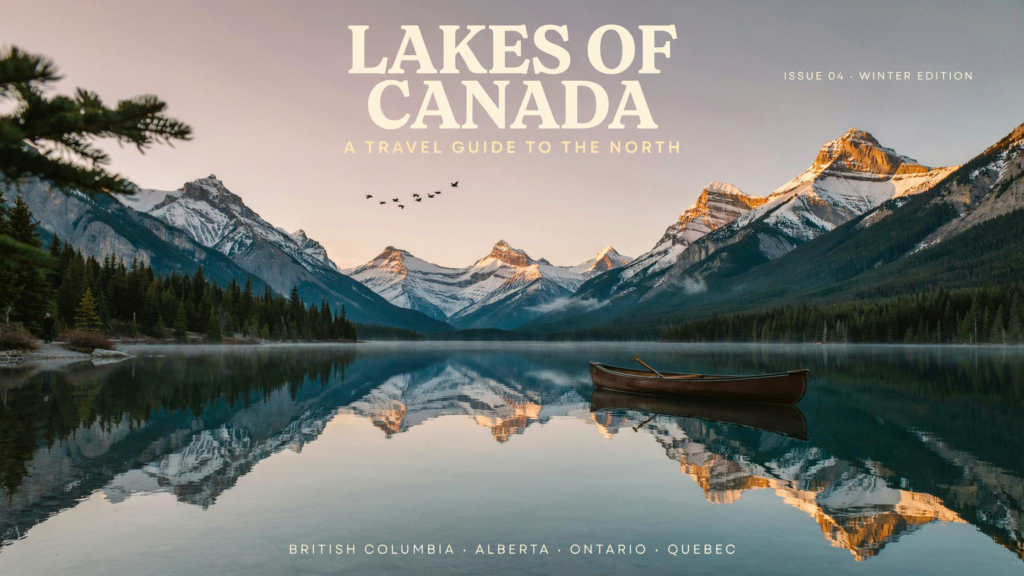
Canada is home to more lakes than any other country in the world, making it a dream destination for nature lovers, outdoor enthusiasts, photographers, and travelers seeking peaceful landscapes. From the turquoise waters of the Rocky Mountains to the vast freshwater lakes of Ontario and Manitoba, Canada’s lakes offer endless opportunities for adventure and relaxation.
Whether you’re planning a summer road trip, a family vacation, a kayaking expedition, or a scenic getaway, this lakes in Canada travel guide will help you discover some of the country’s most beautiful lakes, the best activities to enjoy, and useful travel tips to make your trip unforgettable.
Why Visit Lakes in Canada?
Canada contains nearly two million lakes, covering about 9% of the country’s total surface area. These lakes range from small hidden gems surrounded by forests to massive freshwater bodies that resemble inland seas.
Visitors choose Canadian lakes for:
- Stunning natural scenery
- Crystal-clear waters
- Canoeing and kayaking
- Swimming and boating
- Fishing adventures
- Wildlife viewing
- Camping opportunities
- Hiking trails
- Photography
- Relaxation and wellness retreats
No matter the season, Canadian lakes offer something unique for every traveler.
Best Lakes to Visit in Canada
Lake Louise, Alberta
Lake Louise is arguably the most famous lake in Canada. Located within Banff National Park, this stunning glacial lake attracts visitors from around the world.
The lake’s vibrant turquoise color comes from rock flour carried by glacier meltwater. Surrounded by towering mountains and forests, Lake Louise provides one of the most iconic views in the country.
Top activities include:
- Canoeing on the lake
- Hiking to Lake Agnes Tea House
- Photography
- Wildlife spotting
- Winter ice skating
- Snowshoeing
The best time to visit is from June to September when the lake is fully thawed and displays its famous blue-green color.
Moraine Lake, Alberta
Often considered even more beautiful than Lake Louise, Moraine Lake sits in the Valley of the Ten Peaks. Its bright blue waters create a spectacular contrast against the surrounding mountain peaks.
Popular activities include:
- Hiking
- Canoe rentals
- Sunrise photography
- Scenic viewpoints
- Wildlife observation
Because of its popularity, visitors should arrive early or use shuttle services during peak travel seasons.
Peyto Lake, Alberta
Peyto Lake is famous for its wolf-head shape when viewed from above. Located along the Icefields Parkway, it offers one of the most photographed landscapes in the Canadian Rockies.
Visitors enjoy:
- Scenic viewpoints
- Hiking trails
- Photography
- Road trip stops
The vibrant blue color is most visible during summer.
Emerald Lake, British Columbia
Located in Yoho National Park, Emerald Lake lives up to its name with striking green waters.
Unlike some of the busier lakes in Banff, Emerald Lake offers a more peaceful atmosphere.
Things to do include:
- Canoeing
- Walking the lakeshore trail
- Wildlife viewing
- Photography
- Cross-country skiing in winter
Maligne Lake, Alberta
Maligne Lake is the largest natural lake in the Canadian Rockies and one of Jasper National Park’s most treasured attractions.
The lake is particularly famous for Spirit Island, one of Canada’s most photographed locations.
Activities include:
- Boat cruises
- Canoeing
- Fishing
- Hiking
- Wildlife watching
The surrounding mountains create a breathtaking backdrop throughout the year.
Garibaldi Lake, British Columbia
Garibaldi Lake is known for its incredible turquoise water and mountain scenery.
Reaching the lake requires a challenging hike, but the reward is one of Canada’s most stunning alpine landscapes.
Visitors often enjoy:
- Day hiking
- Camping
- Photography
- Mountain exploration
Summer is the best season for access.
Lake Superior, Ontario
Lake Superior is the largest freshwater lake in the world by surface area and one of North America’s natural wonders.
The lake offers rugged shorelines, dramatic cliffs, and beautiful beaches.
Highlights include:
- Scenic drives
- Camping
- Fishing
- Kayaking
- Beach walks
- Provincial parks
The coastline provides endless opportunities for outdoor adventures.
Lake Ontario
Lake Ontario is one of Canada’s Great Lakes and borders major cities including Toronto.
Travelers can enjoy:
- Waterfront parks
- Beaches
- Sailing
- Fishing
- Island excursions
Its combination of urban attractions and natural beauty makes it a popular destination.
Lake Winnipeg, Manitoba
Lake Winnipeg is one of Canada’s largest lakes and a favorite destination for beach vacations.
Visitors can enjoy:
- Sandy beaches
- Swimming
- Boating
- Fishing
- Birdwatching
The lake’s long shoreline offers numerous recreational opportunities.
Great Bear Lake, Northwest Territories
Great Bear Lake is Canada’s largest lake located entirely within the country.
Known for its remote wilderness and world-class fishing, it attracts adventurous travelers seeking an authentic northern experience.
Popular activities include:
- Trophy fishing
- Wildlife viewing
- Cultural tourism
- Wilderness exploration
Best Activities at Canadian Lakes
Canoeing and Kayaking
Many Canadian lakes provide ideal conditions for paddling. Calm waters and scenic surroundings create unforgettable experiences.
Popular paddling destinations include:
- Lake Louise
- Emerald Lake
- Maligne Lake
- Algonquin Provincial Park lakes
Hiking
Numerous lakes are surrounded by exceptional hiking trails.
Popular hiking areas include:
- Banff National Park
- Jasper National Park
- Yoho National Park
- Garibaldi Provincial Park
Fishing
Canada’s lakes support diverse fish populations.
Common catches include:
- Lake trout
- Northern pike
- Walleye
- Salmon
- Bass
Fishing regulations vary by province, so always obtain the necessary permits.
Camping
Lakeside camping allows travelers to fully experience Canada’s natural beauty.
Camping options range from:
- Backcountry campsites
- National park campgrounds
- RV parks
- Luxury glamping sites
Wildlife Viewing
Many lakes provide opportunities to observe wildlife such as:
- Moose
- Bears
- Deer
- Eagles
- Loons
- Beavers
Always maintain a safe distance from animals and follow park guidelines.
Photography
Canadian lakes rank among the world’s most photogenic landscapes.
For the best photos:
- Visit at sunrise or sunset
- Use reflection opportunities on calm water
- Explore viewpoints
- Travel during autumn for colorful foliage
Best Time to Visit Lakes in Canada
Summer (June to August)
Summer is the most popular season.
Benefits include:
- Warm temperatures
- Canoeing and kayaking
- Swimming
- Hiking access
- Long daylight hours
Fall (September to October)
Autumn offers fewer crowds and spectacular foliage.
Advantages include:
- Vibrant colors
- Cooler temperatures
- Excellent photography
- Peaceful surroundings
Winter (November to March)
Winter transforms many lakes into snowy wonderlands.
Activities include:
- Ice skating
- Snowshoeing
- Ice fishing
- Winter photography
Spring (April to May)
Spring brings melting ice, blooming wildflowers, and fewer tourists.
However, some mountain lakes may still be partially frozen.
Travel Tips for Visiting Canadian Lakes
Plan Ahead
Popular lakes such as Lake Louise and Moraine Lake can become extremely busy during summer.
Book accommodations and transportation early.
Check Weather Conditions
Mountain weather can change rapidly.
Pack:
- Waterproof clothing
- Warm layers
- Comfortable hiking shoes
- Sun protection
Respect Nature
Follow Leave No Trace principles by:
- Packing out garbage
- Staying on trails
- Respecting wildlife
- Protecting natural habitats
Carry Essential Supplies
Bring:
- Water
- Snacks
- Maps
- First-aid kit
- Camera
- Extra clothing layers
Arrive Early
Early morning visits provide:
- Smaller crowds
- Better parking availability
- Excellent photography conditions
- Greater wildlife viewing opportunities
How to Get Around Canada’s Lake Regions
Transportation options include:
- Rental cars
- National park shuttle services
- Guided tours
- Camper vans
- Public transportation in major tourist areas
A rental vehicle provides the greatest flexibility for exploring multiple lakes during one trip.
Accommodation Options Near Canadian Lakes
Travelers can choose from:
- Luxury resorts
- Lakeside lodges
- Hotels
- Cabins
- Campgrounds
- Vacation rentals
Booking several months in advance is recommended for popular destinations.
Budget for a Canadian Lake Vacation
Costs vary depending on location and travel style.
Budget travelers can reduce expenses by:
- Camping
- Cooking meals
- Visiting free viewpoints
- Traveling during shoulder seasons
Luxury travelers can enjoy premium resorts, guided excursions, and private lake experiences.
Final Thoughts
Canada’s lakes are among the most beautiful natural attractions on Earth. Whether you want to paddle across turquoise glacial waters, relax on sandy beaches, photograph breathtaking mountain reflections, or explore remote wilderness, there is a Canadian lake perfectly suited to your travel style.
From the iconic beauty of Lake Louise and Moraine Lake to the immense freshwater expanses of Lake Superior and Lake Winnipeg, every region offers unique experiences and unforgettable scenery. With proper planning and an adventurous spirit, a lake-focused trip through Canada can become one of the most rewarding travel experiences you’ll ever have.
This version uses only one H1 heading while keeping all other sections as H2 and H3 headings for SEO-friendly structure.

Hi, I’m Tanvir, the founder and author of Explore Ireland Now. With a deep love for Ireland and its rich culture, history, and landscapes, I created this site to share everything that makes this beautiful country worth exploring. Whether you’re a local looking for hidden gems or a traveler planning your next adventure, I provide insightful guides, tips, and recommendations to help you experience Ireland to the fullest.
From stunning landscapes to vibrant cities and quaint villages, Ireland is full of wonders waiting to be discovered. Through my personal experiences and research, I aim to bring you the most up-to-date information and inspiration for your journey.
Thank you for visiting Explore Ireland Now—I hope my content helps you uncover all that this incredible country has to offer! If you have any questions or need travel advice, feel free to reach out.