
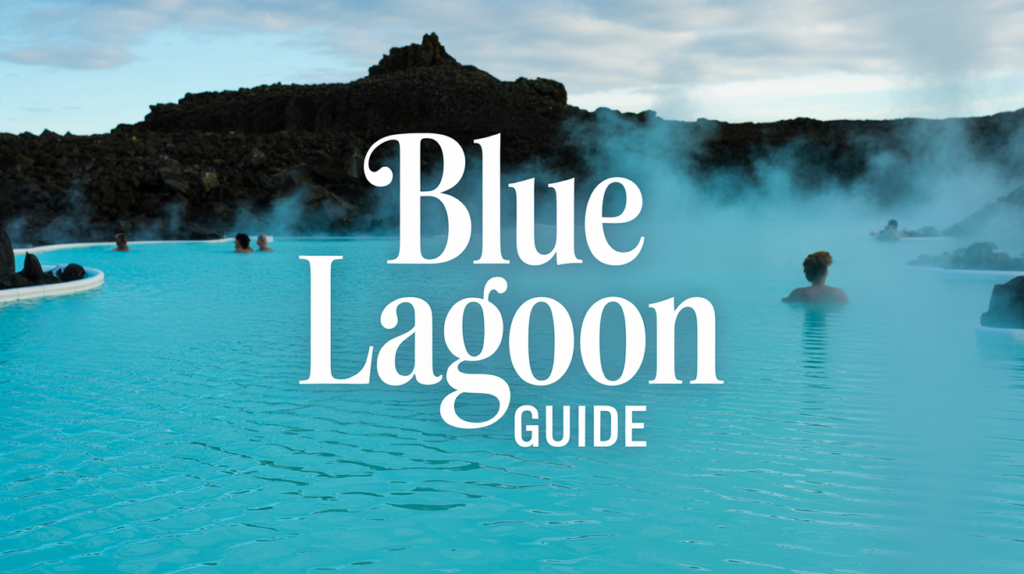
The Blue Lagoon is one of Iceland’s most iconic attractions, drawing visitors from around the world with its milky-blue geothermal waters, stunning lava field surroundings, and relaxing spa experiences. Whether you are planning your first trip to Iceland or looking for practical tips before your visit, this Blue Lagoon guide covers everything you need to know.
What Is the Blue Lagoon?
The Blue Lagoon is a geothermal spa located on the Reykjanes Peninsula in southwestern Iceland. Known for its warm, mineral-rich waters, the lagoon offers visitors a unique opportunity to bathe in naturally heated water while surrounded by dramatic volcanic landscapes.
The water maintains a comfortable temperature year-round, typically between 37°C and 40°C (98°F to 104°F), making it a popular destination regardless of the season.
Where Is the Blue Lagoon Located?
The Blue Lagoon is situated approximately:
- 50 km (31 miles) from Reykjavík
- 20 km (12 miles) from Keflavík International Airport
Its convenient location makes it an ideal stop either immediately after arriving in Iceland or before departing.
Why Is the Blue Lagoon Famous?
Several factors contribute to the Blue Lagoon’s global reputation:
Unique Blue Water
The lagoon’s distinctive blue color comes from silica, algae, and minerals suspended in the water.
Geothermal Heating
The water is naturally heated by underground geothermal activity, creating a relaxing bathing environment throughout the year.
Scenic Surroundings
Visitors can enjoy views of black lava fields, volcanic landscapes, and steam rising from the warm water.
Luxury Spa Experience
In addition to bathing, guests can enjoy spa treatments, massages, skincare products, and fine dining options.
History of the Blue Lagoon
The Blue Lagoon was accidentally formed in 1976 during operations at the nearby geothermal power plant. As mineral-rich water flowed into the surrounding lava fields, a lagoon developed.
Over time, people discovered the water’s potential benefits for the skin, particularly due to its silica content. The area gradually evolved into a world-famous spa destination.
Best Time to Visit the Blue Lagoon
The Blue Lagoon is open year-round, but each season offers a different experience.
Summer (June–August)
Advantages:
- Longer daylight hours
- Milder weather
- Easier travel conditions
Disadvantages:
- Larger crowds
- Higher accommodation prices
Winter (November–March)
Advantages:
- Possibility of seeing the Northern Lights
- Fewer tourists
- Unique contrast between warm water and snowy surroundings
Disadvantages:
- Shorter daylight hours
- Colder temperatures outside the lagoon
Shoulder Seasons (April–May and September–October)
Many travelers find these months ideal because they offer:
- Moderate weather
- Smaller crowds
- Better hotel rates
How to Get to the Blue Lagoon
From Reykjavík
Travel options include:
- Rental car
- Guided tour
- Shuttle bus
- Private transfer
The journey typically takes about 45 minutes.
From Keflavík Airport
The drive takes approximately 20 minutes, making it one of the easiest attractions to visit upon arrival.
Blue Lagoon Admission Packages
Visitors must pre-book their tickets, especially during peak travel periods.
Common package options include:
Comfort Package
Usually includes:
- Lagoon admission
- Silica mud mask
- Towel
- One drink
Premium Package
Typically includes:
- Lagoon admission
- Multiple face masks
- Towel
- Bathrobe
- Drink
Luxury Experiences
Additional spa treatments and private facilities may be available for guests seeking a more exclusive experience.
What to Bring
To make your visit comfortable, consider bringing:
- Swimsuit
- Waterproof phone case
- Hair conditioner
- Flip-flops
- Extra clothing for afterward
Although many items can be rented or purchased on-site, bringing your own can save money.
Protecting Your Hair
One of the most common Blue Lagoon tips involves hair care.
The lagoon’s silica-rich water can leave hair feeling dry or stiff. To minimize this effect:
- Apply conditioner before entering.
- Tie long hair up.
- Avoid submerging your hair when possible.
- Use conditioner again after bathing.
What to Expect During Your Visit
Check-In Process
Guests receive an electronic wristband that serves multiple functions:
- Locker access
- Purchases within the facility
- Entry verification
Shower Requirements
Before entering the lagoon, all guests are required to shower thoroughly.
Private shower stalls are available for those seeking additional privacy.
Entering the Water
The water is warm immediately upon entry, and steam often rises dramatically from the surface, creating an unforgettable atmosphere.
Blue Lagoon Spa Features
Silica Mud Masks
Visitors can apply complimentary silica masks available at designated stations within the lagoon.
In-Water Bar
Guests can enjoy beverages without leaving the water.
Steam Rooms and Saunas
The spa includes wellness facilities designed to enhance relaxation.
Massage Treatments
Various in-water and traditional massage options are available.
Dining at the Blue Lagoon
Several dining options cater to different budgets and preferences.
Casual Dining
Suitable for visitors seeking quick meals and snacks.
Fine Dining
The area also features upscale restaurants offering Icelandic cuisine with locally sourced ingredients.
Popular menu items often include:
- Fresh seafood
- Icelandic lamb
- Seasonal vegetables
- Traditional Icelandic desserts
Photography Tips
The Blue Lagoon is highly photogenic.
For the best photos:
- Visit early in the morning.
- Use steam creatively in compositions.
- Capture contrasts between the blue water and black lava fields.
- Photograph during sunrise or sunset when possible.
Is the Blue Lagoon Worth Visiting?
For many travelers, the answer is yes.
The Blue Lagoon combines:
- Unique geothermal bathing
- Luxury spa amenities
- Beautiful scenery
- Convenient location near Iceland’s international airport
While admission can be expensive compared to some other geothermal pools in Iceland, many visitors consider it a once-in-a-lifetime experience.
Alternative Geothermal Spas in Iceland
If you are looking for alternatives, consider:
- Sky Lagoon
- Mývatn Nature Baths
- Secret Lagoon
- Vök Baths
These locations offer different experiences and are often less crowded.
Frequently Asked Questions
How long should I spend at the Blue Lagoon?
Most visitors spend between 2 and 4 hours enjoying the facilities.
Can children visit?
Yes. Children are welcome, although age restrictions may apply in certain spa areas.
Is the water natural?
The water originates from geothermal sources and contains naturally occurring minerals such as silica and sulfur.
Do I need to book in advance?
Yes. Advance booking is highly recommended, particularly during summer and holiday periods.
Can I visit directly from the airport?
Absolutely. Many travelers schedule a stop at the Blue Lagoon either immediately after arriving in Iceland or shortly before their flight home.
Final Thoughts
The Blue Lagoon remains one of Iceland’s most famous attractions for good reason. Its warm geothermal waters, unique volcanic setting, and world-class spa facilities create an experience that is difficult to find anywhere else in the world. Whether you are visiting for relaxation, photography, wellness, or simply to experience one of Iceland’s most iconic landmarks, proper planning will help you make the most of your Blue Lagoon adventure.

Hi, I’m Tanvir, the founder and author of Explore Ireland Now. With a deep love for Ireland and its rich culture, history, and landscapes, I created this site to share everything that makes this beautiful country worth exploring. Whether you’re a local looking for hidden gems or a traveler planning your next adventure, I provide insightful guides, tips, and recommendations to help you experience Ireland to the fullest.
From stunning landscapes to vibrant cities and quaint villages, Ireland is full of wonders waiting to be discovered. Through my personal experiences and research, I aim to bring you the most up-to-date information and inspiration for your journey.
Thank you for visiting Explore Ireland Now—I hope my content helps you uncover all that this incredible country has to offer! If you have any questions or need travel advice, feel free to reach out.