
The best beaches in Ireland for swimming combine clean, monitored water, sheltered sand and, in summer, lifeguards. Ireland had 85 Blue Flag beaches for the 2026 bathing season, and many of them are in Kerry, Clare, Donegal, Dublin, Wexford and Mayo, the counties covered below. Whether you’re a seasoned sea swimmer or just looking for a refreshing dip, this guide covers where each beach is, how to get there, the best time to go and the safety tips that matter in cold Atlantic and Irish Sea water.
Why Swim at Irish Beaches?
Swimming at Irish beaches is a unique experience for several reasons:
- Clean Water: In 2026, An Taisce awarded the Blue Flag to 85 Irish beaches, recognising excellent water quality as well as safety and environmental management.
- Diverse Choices: From tranquil bays to rugged Atlantic shores, Ireland has it all.
- Natural Beauty: Coastal landscapes range from dramatic cliffs to golden sandy stretches.
- Family-Friendly: Many beaches have lifeguards in summer and facilities such as toilets and car parks.
Top Beaches in Ireland for Swimming
Here are some of the best beaches in Ireland for swimming, county by county. Blue Flag status is shown for the 2026 season (1 June to 15 September); awards are reviewed every year, so check the current list before you travel.
1. Beaches in County Kerry for Swimming
a. Inch Beach
- Location: On the south side of the Dingle Peninsula, between Castlemaine and Annascaul, with a 5 km sand spit stretching into Dingle Bay.
- How to Get There: Inch is on the R561. From Dingle, take the N86 to Annascaul and turn onto the R561; from Killarney or Tralee, head for Castlemaine and follow the R561 west. There is parking near the beach.
- Why It’s Great for Swimming:
Inch is a Blue Flag beach (2026) with a long, sandy, gently shelving shore, which makes it popular with families and beginner swimmers. - Additional Activities:
Surfing, beach walking, and windsurfing. - Best Time to Visit: Summer (June to August) is ideal when the weather is warm, and lifeguards are on duty.
- Safety Tips:
- Stick to lifeguard-patrolled areas.
- Be cautious of strong winds, which can affect swimming conditions.
- Wear a wetsuit if you’re not used to colder water temperatures.
b. Derrynane Beach
- Location: Near Caherdaniel in County Kerry, Derrynane Beach is part of Derrynane National Historic Park.
- How to Get There: Take the N70 Ring of Kerry route and follow signs to Derrynane House. Parking is available near the beach.
- Why It’s Great for Swimming:
This Blue Flag beach (listed as Doire Fíonáin in 2026) has sheltered coves that are usually calmer than the open Atlantic. - Additional Activities:
Explore nearby islands during low tide or enjoy the scenic walking trails. - Best Time to Visit: Summer months, particularly July and August, when the waters are calm and the beach is patrolled.
- Safety Tips:
- Avoid swimming during high tides or rough weather.
- Keep an eye on children, as the beach has rocky sections.
- Check the tide schedule, as some areas are only accessible at low tide.
2. Beaches in County Clare for Swimming
a. Lahinch Beach
- Location: In the seaside town of Lahinch on Liscannor Bay, County Clare, about a 20-minute drive from the Cliffs of Moher.
- How to Get There: From Ennis, follow the N85 to Ennistymon and on to Lahinch (from Limerick, take the M18 to Ennis first). Bus Éireann services also stop in the town.
- Why It’s Great for Swimming:
Popular with families and surfers, this beach has designated swimming zones for safety. - Additional Activities:
Surf lessons, rock pooling, and nearby golf courses. - Best Time to Visit: Summer (June to September), when the beach is vibrant with activity, and lifeguards are on duty.
- Safety Tips:
- Watch out for rip currents, especially near the surfing zones.
- Swim only in the designated swimming area marked by flags.
- Avoid swimming during high tide.
b. Fanore Beach
- Location: On the Burren coast of north Clare, between Ballyvaughan and Doolin.
- How to Get There: Fanore is on the R477 coast road. From Galway, drive via Kinvara to Ballyvaughan and follow the R477 south. Parking is available close to the beach.
- Why It’s Great for Swimming:
Fanore is a quieter Blue Flag beach (2026) with soft sand backed by dunes and the grey limestone of the Burren. - Additional Activities:
Ideal for picnics and exploring the Burren region. - Best Time to Visit: Late spring to early autumn (May to September) for the best swimming conditions.
- Safety Tips:
- Be cautious of jellyfish in late summer.
- Avoid swimming alone, as the beach is quieter than others.
- Bring water shoes to navigate the rocky areas.
3. Beaches in County Donegal for Swimming
a. Bundoran Beach
- Location: Situated in Bundoran town, about 30 km (19 miles) from Donegal town.
- How to Get There: Follow the N15 road from Donegal town to Bundoran. Public buses also service this area.
- Why It’s Great for Swimming:
Bundoran’s main beach is a Blue Flag beach (2026) and a seaside-town favourite, with fantastic views over Donegal Bay. - Additional Activities:
Surfing, sea kayaking, and nearby amusement parks. - Best Time to Visit: June to August, when lifeguards are on duty, and water temperatures are warmer.
- Safety Tips:
- Avoid swimming near the rocky sections of the beach.
- Follow lifeguard instructions and swim in the flagged areas.
- Keep an eye on tide timings to avoid being caught off guard.
b. Rossnowlagh Beach
- Location: South-west of Donegal town on the Donegal Bay coastline, between Ballyshannon and Donegal town.
- How to Get There: Take the N15 road, then follow signs for Rossnowlagh. There is ample parking near the beach.
- Why It’s Great for Swimming:
A Blue Flag beach (2026) with a long sweep of sand and a family-friendly atmosphere. - Additional Activities:
Windsurfing and long beach walks. - Best Time to Visit: Summer months, particularly July and August, for calm and warm swimming conditions.
- Safety Tips:
- Stay within designated swimming zones to avoid surfboards and other water sports.
- Bring sunscreen, as the open beach has little shade.
- Watch for incoming tides, as they can rise quickly.
4. Beaches in County Dublin for Swimming
a. Portmarnock Beach (Velvet Strand)
- Location: Velvet Strand, Portmarnock, in Fingal, north County Dublin, roughly 15 km from Dublin city centre.
- How to Get There: Take the DART to Portmarnock station, which is inland, so allow a good walk or a short taxi ride to the beach. By car, follow the coast road (R106) from Malahide or Baldoyle.
- Why It’s Great for Swimming:
One of two Blue Flag beaches in Fingal for 2026, it is a top choice for swimming near Dublin. See our full guide to Portmarnock Beach. - Additional Activities:
Kite flying, jogging, and scenic views of Howth Head. - Best Time to Visit: Late spring to early autumn (May to September) for the warmest weather.
- Safety Tips:
- Be cautious of jellyfish during peak summer months.
- Avoid swimming too far out, as tides can be strong.
- Bring warm clothing for after your swim, as Dublin can be breezy.
b. Dollymount Strand
- Location: On North Bull Island, Clontarf, about 5–6 km from Dublin city centre.
- How to Get There: Take the DART to Raheny or Clontarf Road, or a bus along the Clontarf Road, then walk or cycle across the wooden Bull Wall bridge or the causeway road onto the island.
- Why It’s Great for Swimming:
A huge, open strand inside a UNESCO Biosphere area. It did not hold a Blue Flag in 2026, so check the bathing water quality notices before you swim, especially after heavy rain. - Additional Activities:
Bird watching and paddleboarding. - Best Time to Visit: Late spring to early autumn (May to September).
- Safety Tips:
- Swim in the designated zones and avoid swimming during high tide.
- Be aware of strong currents further out from the shore.
- Keep an eye on weather forecasts, as the area can get windy.
5. Beaches in County Wexford for Swimming
a. Curracloe Beach
- Why It’s Great for Swimming:
Curracloe Beach is renowned for its soft, golden sands and shallow, gently shelving water, and it held a Blue Flag in 2026. It’s perfect for family swimming and those seeking calm waters for a relaxed dip. - Additional Activities:
- Nature walks in nearby Raven Point Woodlands
- Birdwatching at the Wexford Wildfowl Reserve
- Photography and relaxing picnics
- Specific Location & How to Get There:
- Location: North-east of Wexford town, a drive of roughly 15 minutes.
- How to Get There: From Wexford Town, take the R742 coast road toward Curracloe and follow signs for the beach. Parking is available near the entrance.
- Public Transport: Local bus services are limited, so check TFI Local Link Wexford timetables before relying on them.
- Best Time to Visit:
The ideal time to visit is during the summer months (June–September), when the beach is lively. Check Wexford County Council’s lifeguard times before you go. - Safety Tips:
- Swim only in the designated lifeguard areas.
- Check tide schedules, as the beach can be affected by rising tides.
- Be cautious of jellyfish during warmer months.
b. Morriscastle Strand
- Why It’s Great for Swimming:
Morriscastle Strand is known for its long, sandy beach and shallow waters, making it ideal for swimming. It held a Blue Flag for the 2026 season. - Additional Activities:
- Fishing along the shore
- Shell collecting along the sandbanks
- Walking and cycling in the surrounding area
- Specific Location & How to Get There:
- Location: Beside the village of Kilmuckridge, on the coast north of Wexford town.
- How to Get There: From Wexford town, head north on the R742 coast road (or the N11 towards Gorey and turn east) and follow signs for Kilmuckridge and Morriscastle. Parking is available near the beach.
- Public Transport: Bus links are limited; check TFI Local Link Wexford before you travel.
- Best Time to Visit:
The best time to visit is during June–August when the weather is warmest and the bathing season is underway. - Safety Tips:
- Swim in the lifeguarded area when lifeguards are on duty.
- Keep an eye on the wind conditions, as they can change quickly.
- Supervise children near the water, as it can get deep further out.
6. Beaches in County Mayo for Swimming
a. Keem Bay (Achill Island)
- Location: At the far western end of Achill Island, below the slopes of Croaghaun.
- How to Get There: Take the N59 to Mulranny, then the R319 across the bridge at Achill Sound and on through Keel and Dooagh. The final stretch is a narrow cliff road with limited parking, so arrive early in summer.
- Why It’s Great for Swimming:
A sheltered horseshoe bay with clear turquoise water and a Blue Flag for 2026. - Best Time to Visit: June to September, on calm days.
- Safety Tips: The water is cold and deepens quickly; stay close to shore and don’t swim alone.
Best Beaches in Ireland for Swimming: Quick Comparison
| Beach | County | Blue Flag 2026 | Getting There | Best Time | Key Safety Tip |
|---|---|---|---|---|---|
| Inch | Kerry | Yes | R561 (Dingle Peninsula) | June–August | Swim in the lifeguarded zone |
| Derrynane | Kerry | Yes | N70 Ring of Kerry, Caherdaniel | July–August | Check tide times |
| Lahinch | Clare | No | N85 from Ennis | June–August | Watch for rips near surf zones |
| Fanore | Clare | Yes | R477 Burren coast road | June–September | Don’t swim alone |
| Bundoran | Donegal | Yes | N15 | June–August | Swim between the flags |
| Rossnowlagh | Donegal | Yes | Off the N15 | July–August | Keep clear of surfers |
| Velvet Strand, Portmarnock | Dublin | Yes | DART or R106 | June–September | Watch for jellyfish |
| Dollymount | Dublin | No | DART or bus to Clontarf | June–September | Check water quality notices |
| Curracloe | Wexford | Yes | R742 from Wexford | June–August | Swim in patrolled areas |
| Morriscastle | Wexford | Yes | Via Kilmuckridge | June–August | Supervise children |
| Keem Bay | Mayo | Yes | N59 and R319, Achill | June–September | Stay close to shore |
Swimming Safety Tips for Irish Beaches
To ensure a safe and enjoyable experience, follow these tips:
- Check Weather and Tides:
Always check the weather forecast and tide schedules before heading to the beach. - Swim in Designated Areas:
Where possible, swim at a lifeguarded beach between the red and yellow flags. In Ireland, the official lifeguard season is usually weekends in June and every day in July and August, so check the local council’s times. - Beware of Rip Currents:
If you are caught in a rip, stay calm, don’t swim against it, and swim parallel to the shore until you are free, then head back in. If you can’t, float and raise an arm to signal for help. - Wear a Wetsuit:
Irish sea temperatures are generally in the low-to-mid teens (°C), cold enough to cause cold water shock. Enter slowly, swim for short periods and consider a wetsuit. - Supervise Children:
Always keep an eye on kids while they’re swimming or playing near the water, and leave inflatables at home, as they can be blown out to sea. - Stay Hydrated and Sun-Protected:
Bring water, sunscreen, and a hat, even if the weather is cloudy.
Two more essentials:
- Check Water Quality:
The EPA’s Beaches.ie website shows bathing water quality and any swimming restrictions for each beach. - In an Emergency:
If you see someone in trouble in the water, call 112 or 999 and ask for the Coast Guard.
For more advice, see Water Safety Ireland.
FAQs About Swimming in Ireland
1. Is it safe to swim in Ireland’s beaches year-round?
Many people swim all year round, but outside summer the water is very cold and there are no lifeguards. Winter swimmers should go with others, keep swims short and know the signs of hypothermia.
2. Are there sharks in Irish waters?
Yes. Basking sharks, the world’s second-largest fish, are seen off the coast in spring and summer, but they feed on plankton and are harmless to people. Shark incidents involving swimmers in Ireland are extremely rare.
3. What is the warmest beach in Ireland?
Sea temperatures are fairly similar around the coast, but shallow, sheltered beaches on the south and south-east coasts, such as those in Wexford and Waterford, can feel a little warmer by late summer than exposed Atlantic beaches.
4. Which beaches in Ireland have lifeguards?
Most popular beaches, including many Blue Flag beaches, are lifeguarded during the summer season, typically weekends in June and daily in July and August. Times vary by county, so check your local council’s website before you go.
5. Where can I find more beaches near my area?
See our guides to the best beaches in Dublin, Cork and Galway, or our wider guide to the best beaches in Ireland.
Final Thoughts
Ireland’s beaches are stunning, and with a little planning they offer safe, memorable swimming. From the golden sands of Curracloe to the turquoise water of Keem Bay, there’s a beach for everyone. Pick a lifeguarded Blue Flag beach, check the tides and water quality, and respect the cold water.
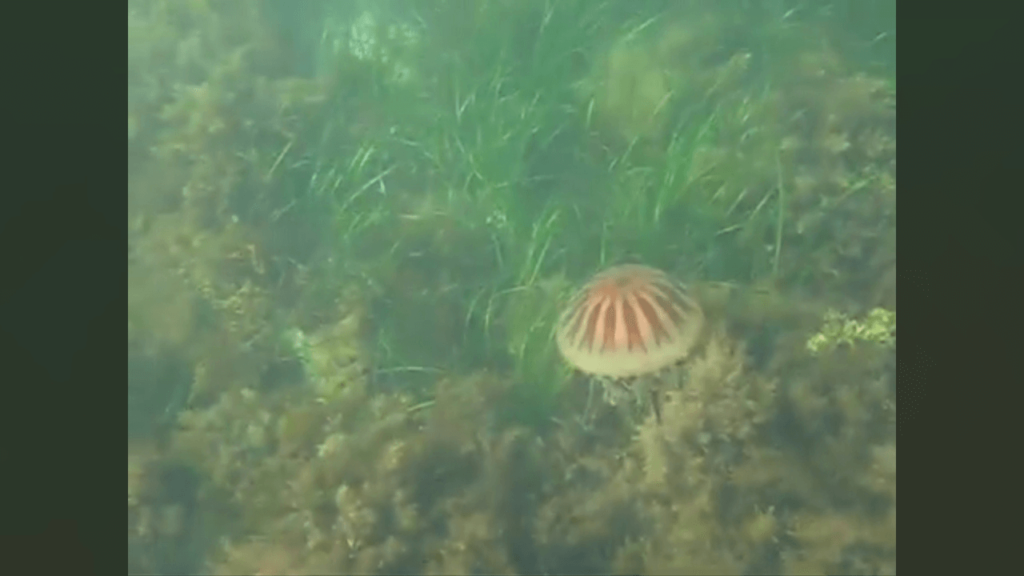
Before you go, read our guide to jellyfish in Ireland so you know what to look out for, then pack your swimming gear and enjoy the water!

Hi, I’m Tanvir, the founder and author of Explore Ireland Now. With a deep love for Ireland and its rich culture, history, and landscapes, I created this site to share everything that makes this beautiful country worth exploring. Whether you’re a local looking for hidden gems or a traveler planning your next adventure, I provide insightful guides, tips, and recommendations to help you experience Ireland to the fullest.
From stunning landscapes to vibrant cities and quaint villages, Ireland is full of wonders waiting to be discovered. Through my personal experiences and research, I aim to bring you the most up-to-date information and inspiration for your journey.
Thank you for visiting Explore Ireland Now—I hope my content helps you uncover all that this incredible country has to offer! If you have any questions or need travel advice, feel free to reach out.