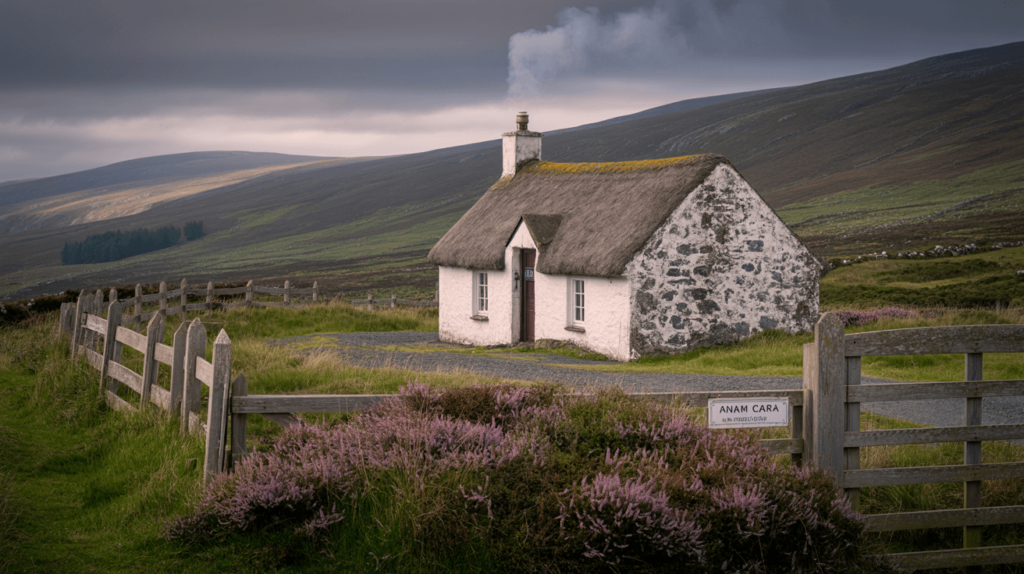
The Wicklow Mountains, often called the “Garden of Ireland,” are one of the most captivating natural regions in the country. Located just south of Dublin, this mountainous landscape combines rugged beauty, ancient history, vibrant wildlife, and cultural richness. For travelers, nature lovers, and history enthusiasts, the Wicklow Mountains provide an unforgettable escape. Whether you’re hiking scenic trails, wandering through monastic ruins, or driving along winding mountain roads, Wicklow offers experiences that leave a lasting impression.
In this article, I’ll take you on a detailed exploration of the Wicklow Mountains, highlighting why they matter today, their cultural and ecological significance, and the best ways to experience them. I’ll weave in both research-backed insights and personal reflections, along with practical travel tips to ensure you make the most of your visit.
Why the Wicklow Mountains Matter Today
The Wicklow Mountains are not only breathtaking but also play a vital role in Ireland’s identity and environment. Spanning over 500 square kilometers, the region is home to the Wicklow Mountains National Park, Ireland’s largest national park, which attracts millions of visitors every year.
Today, the Wicklow Mountains matter because they:
- Protect biodiversity: The park shelters habitats like blanket bogs, heather uplands, and glacial valleys, home to red deer, peregrine falcons, and rare plants.
- Preserve history: Ancient sites such as Glendalough Monastic City, founded in the 6th century, connect us with Ireland’s spiritual and cultural past.
- Offer recreation: From hiking to cycling to fishing, Wicklow provides healthy, outdoor activities for locals and tourists alike.
- Boost the economy: Tourism in the Wicklow Mountains supports local businesses, from cozy B&Bs to artisan craft shops.
For me, the Wicklow Mountains embody the perfect balance between natural wilderness and cultural heritage. On my visits, I’ve always been struck by the sense of peace the landscape gives—especially while standing on a trail overlooking Lough Tay, also known as the “Guinness Lake.”
History and Culture of the Wicklow Mountains
Early Inhabitants
The Wicklow region has been inhabited since prehistoric times. Evidence of megalithic tombs, stone circles, and passage graves can still be seen today. These structures remind us that people have found spiritual and practical value in these mountains for thousands of years.
Glendalough and Early Christianity
Perhaps the most iconic site in the Wicklow Mountains is Glendalough, founded by St. Kevin in the 6th century. This “valley of two lakes” became one of the most important monastic settlements in Ireland. Visitors can explore the round tower, stone churches, and ancient crosses while soaking in the tranquility of the glacial valley.
When I walked through Glendalough, I felt a deep connection to the past. The quiet ruins, combined with the surrounding forest, created an atmosphere that was both humbling and inspiring.
The Wicklow Uprisings
The Wicklow Mountains also have a rebellious history. During the late 18th and early 19th centuries, they were a stronghold for rebels in the 1798 Rebellion against British rule. Their rugged terrain provided natural protection, giving them the nickname “the last refuge of the rebels.”
Natural Highlights of the Wicklow Mountains
Lough Tay (Guinness Lake)
Lough Tay is perhaps the most photographed spot in Wicklow. Its dark waters and white sandy shoreline make it look like a pint of Guinness from above—hence the nickname. It’s a breathtaking viewpoint, especially at sunset.
Powerscourt Waterfall
At 121 meters, Powerscourt Waterfall is Ireland’s highest. Nestled in a lush valley surrounded by beech, oak, and pine trees, it’s a perfect spot for picnics, family outings, and photography.
Sally Gap and Military Road
The Sally Gap drive offers panoramic views of boglands, valleys, and mountains. The route follows the Military Road, built in the early 1800s to flush out rebels. Today, it’s one of the most scenic drives in Ireland.
Wicklow Way
The Wicklow Way, Ireland’s oldest long-distance walking trail, stretches 131 kilometers from Dublin to County Carlow. It’s perfect for multi-day hikers or for those who want to sample sections of it.
Wildlife and Nature
The Wicklow Mountains are rich in biodiversity:
- Red deer roam the valleys.
- Birds of prey like peregrine falcons and kestrels circle overhead.
- Blanket bogs and heather moors sustain rare plant species.
Things to Do in the Wicklow Mountains
Hiking and Walking Trails
- Glendalough Spinc Trail: Stunning views over the valley and lakes.
- Bray to Greystones Cliff Walk: Coastal scenery combined with mountain backdrops.
- Lugnaquilla: At 925 meters, it’s Wicklow’s highest peak, offering challenging but rewarding climbs.
Cycling
Cyclists love the winding mountain roads. Routes around Sally Gap and Wicklow Gap are particularly popular, though they require stamina and good gear.
Heritage Visits
- Explore Glendalough Monastic City.
- Visit Powerscourt Estate and Gardens, voted one of the world’s most beautiful gardens by National Geographic.
Adventure Activities
- Kayaking on Blessington Lakes.
- Horseback riding through mountain trails.
- Fishing in rivers and lakes across the region.
Practical Travel Tips for Visiting the Wicklow Mountains
Getting There
- From Dublin: The Wicklow Mountains are just an hour’s drive south of Dublin. Buses also run to Glendalough and other main areas.
- By Car: Renting a car gives you the most freedom to explore hidden gems and viewpoints.
When to Visit
- Spring (March–May): Wildflowers bloom, and the weather is pleasant.
- Summer (June–August): Long daylight hours, but more tourists.
- Autumn (September–November): Stunning foliage, fewer crowds.
- Winter (December–February): Snow-dusted peaks create dramatic scenery, but some trails may be icy.
What to Pack
- Sturdy hiking boots.
- Waterproof jacket (Irish weather is famously unpredictable).
- Layers of clothing.
- Snacks and water for longer hikes.
Staying Overnight
- Glamping and eco-lodges for nature lovers.
- Hotels and B&Bs in Wicklow town, Laragh, and Roundwood.
- Dublin base: Many visitors take day trips from Dublin.
Common Questions About the Wicklow Mountains
1. Is Wicklow suitable for families?
Yes! Glendalough, Powerscourt, and short trails are perfect for families. Just bring suitable walking shoes.
2. How long should I spend in Wicklow?
A day trip gives a good taste, but 2–3 days allows for hiking, heritage visits, and scenic drives.
3. Do you need to be fit to explore?
Not necessarily. While trails like Lugnaquilla require fitness, there are plenty of gentle walks and scenic drives for all abilities.
4. Is public transport enough?
You can see highlights like Glendalough via bus, but renting a car allows deeper exploration.
Personal Reflections on the Wicklow Mountains
Each time I visit the Wicklow Mountains, I discover something new. Once, after hiking the Spinc Trail, I sat quietly by the Upper Lake at Glendalough. The stillness of the water, framed by mountains, reminded me how powerful nature is in restoring peace of mind.
Another time, driving the Sally Gap at sunset, the entire valley was bathed in golden light—it was a moment of pure magic that words can barely capture.
Conclusion: Why You Should Visit the Wicklow Mountains
The Wicklow Mountains are more than just a destination—they are an experience. With their blend of ancient history, natural wonders, outdoor adventure, and cultural heritage, they represent the essence of Ireland’s beauty.
Whether you come for a short hike, a day trip from Dublin, or a multi-day adventure, the Wicklow Mountains will leave you with memories of breathtaking landscapes and a deeper appreciation for Ireland’s natural treasures.
If you’re planning your Irish journey, make sure the Wicklow Mountains are high on your list. And if you’ve been before, perhaps it’s time to return—because every season, every trail, and every visit reveals a new layer of wonder.
Have you visited the Wicklow Mountains before, or are you planning to go soon? I’d love to hear your questions and experiences—feel free to share them!

Hi, I’m Tanvir, the founder and author of Explore Ireland Now. With a deep love for Ireland and its rich culture, history, and landscapes, I created this site to share everything that makes this beautiful country worth exploring. Whether you’re a local looking for hidden gems or a traveler planning your next adventure, I provide insightful guides, tips, and recommendations to help you experience Ireland to the fullest.
From stunning landscapes to vibrant cities and quaint villages, Ireland is full of wonders waiting to be discovered. Through my personal experiences and research, I aim to bring you the most up-to-date information and inspiration for your journey.
Thank you for visiting Explore Ireland Now—I hope my content helps you uncover all that this incredible country has to offer! If you have any questions or need travel advice, feel free to reach out.