
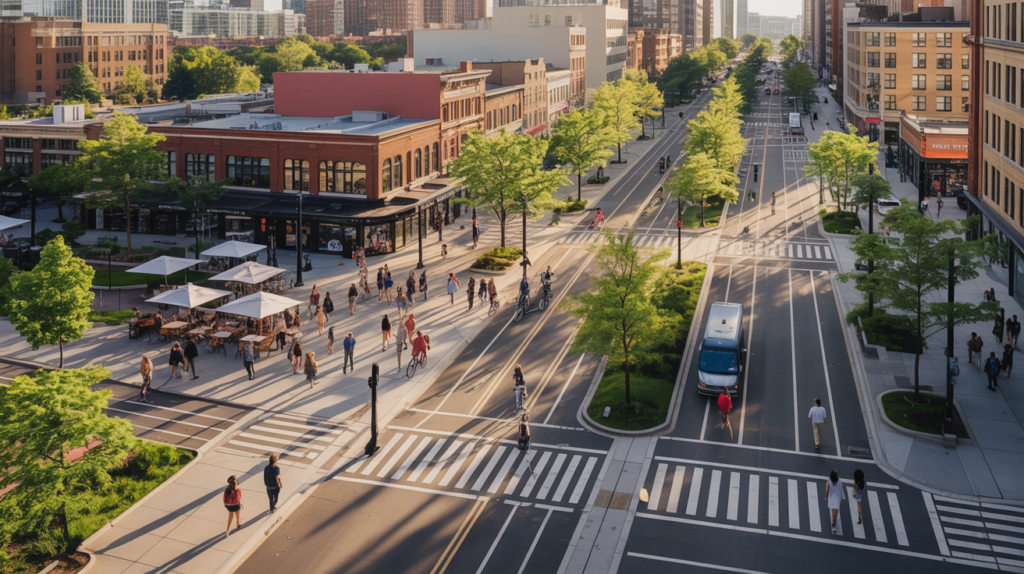
Walking through a city gives you a completely different experience compared to driving. You notice the architecture, discover hidden cafés, interact with locals, and enjoy the atmosphere in a more personal way. In recent years, many travelers and residents have started prioritizing walkable cities because they offer convenience, better health benefits, lower transportation costs, and a more enjoyable lifestyle.
The United States is often known for car-dependent cities, but there are still many places where walking is not only possible but highly enjoyable. From historic streets to modern pedestrian-friendly neighborhoods, several American cities stand out for their walkability.
In this guide, we’ll explore some of the best walkable cities in the USA, what makes them special, and why they are perfect for tourists, remote workers, students, and anyone who enjoys exploring on foot.
What Makes a City Walkable?
A walkable city is designed to make everyday activities accessible without relying heavily on a car. These cities usually feature:
- Safe sidewalks and pedestrian crossings
- Public transportation access
- Nearby restaurants, stores, and entertainment
- Mixed-use neighborhoods
- Parks and public spaces
- Compact city layouts
- Bike-friendly infrastructure
Walkable cities also tend to promote healthier lifestyles and stronger local communities because people spend more time outdoors interacting with others.
Benefits of Living in a Walkable City
Before diving into the list, it’s important to understand why so many people prefer walkable cities.
Better Health
Walking daily improves cardiovascular health, reduces stress, and encourages an active lifestyle. Residents in walkable cities naturally get more exercise without needing a gym membership.
Lower Transportation Costs
Owning and maintaining a car can be expensive. In walkable cities, many residents save money by walking, biking, or using public transportation.
Easier Travel Experience
Tourists often enjoy walkable destinations because major attractions, restaurants, and shopping areas are close together.
Environmental Benefits
Walkable cities reduce traffic congestion and carbon emissions, making them more environmentally friendly.
Stronger Community Feel
People walking through neighborhoods are more likely to interact with neighbors and local businesses, creating vibrant communities.
Best Walkable Cities in USA
New York City, New York
New York City is often considered the most walkable city in the United States. Manhattan, in particular, is famous for its grid layout, extensive subway system, and endless attractions within walking distance.
Visitors can walk through Central Park, Times Square, Broadway, SoHo, and the Brooklyn Bridge all in a single day. Sidewalks are constantly active, and nearly every neighborhood offers restaurants, coffee shops, museums, and stores within minutes.
Popular walkable neighborhoods include:
- Manhattan
- Greenwich Village
- SoHo
- Upper West Side
- Williamsburg in Brooklyn
New York’s public transportation system also complements its walkability, making it easy to travel without a car.
Boston, Massachusetts
Boston is one of the oldest cities in America, and its historic layout naturally supports walking. Unlike many modern cities designed around cars, Boston’s streets were created long before automobiles existed.
The Freedom Trail is one of the best walking experiences in the country, connecting historical landmarks throughout the city. Boston Common, Beacon Hill, and the North End are especially enjoyable for pedestrians.
Reasons Boston is highly walkable:
- Compact downtown area
- Historic neighborhoods
- Excellent subway system
- Pedestrian-friendly streets
- Walkable universities and campuses
Students and young professionals especially appreciate Boston’s easy-to-navigate neighborhoods.
San Francisco, California
San Francisco combines beautiful scenery with excellent walkability. While the hills can be challenging, the city rewards walkers with incredible waterfront views, colorful neighborhoods, and iconic landmarks.
Areas like Fisherman’s Wharf, Chinatown, Mission District, and Union Square are ideal for exploring on foot.
Why people love walking in San Francisco:
- Compact neighborhoods
- Scenic streets
- Great public transit
- Unique local culture
- Waterfront walking paths
The city’s famous cable cars also provide a fun alternative when the hills become too steep.
Chicago, Illinois
Chicago is another major city that offers an excellent walking experience. The downtown area, known as The Loop, is packed with attractions, restaurants, and shopping districts.
The Chicago Riverwalk and Lakefront Trail are especially popular among locals and visitors.
Top walkable areas include:
- The Loop
- River North
- Lincoln Park
- Wicker Park
- Gold Coast
Chicago also features a reliable public transportation system that supports car-free living.
Washington, D.C.
The nation’s capital is surprisingly easy to explore on foot. Many major monuments, museums, and government buildings are located close together along the National Mall.
Visitors can easily spend days walking between attractions such as:
- Lincoln Memorial
- Washington Monument
- Smithsonian Museums
- Capitol Building
- White House
Washington, D.C. also offers wide sidewalks, bike-sharing programs, and efficient metro transportation.
Seattle, Washington
Seattle is known for its coffee culture, waterfront views, and walkable urban neighborhoods. Downtown Seattle allows residents and visitors to access shopping, dining, and entertainment without needing a vehicle.
Neighborhoods like Capitol Hill and Pike Place Market are especially pedestrian-friendly.
Seattle’s walkability highlights include:
- Dense urban layout
- Waterfront attractions
- Public transportation access
- Bike-friendly streets
- Local cafés and markets
Although the city has some hills, many people still enjoy walking because of the scenic environment.
Portland, Oregon
Portland consistently ranks among America’s most walkable and bike-friendly cities. The city is known for its eco-conscious culture and strong focus on urban planning.
Downtown Portland is compact and easy to navigate on foot. The city also features parks, public squares, and excellent public transportation.
Popular walkable neighborhoods include:
- Pearl District
- Downtown Portland
- Nob Hill
- Alberta Arts District
Portland’s relaxed atmosphere makes it especially attractive for creatives and remote workers.
Philadelphia, Pennsylvania
Philadelphia’s historic charm and grid-style streets make it ideal for walking. Center City offers a dense collection of restaurants, museums, historical landmarks, and shopping areas.
The city’s rich history can be experienced simply by walking around neighborhoods like Old City and Society Hill.
Walkable attractions include:
- Independence Hall
- Liberty Bell
- Reading Terminal Market
- Rittenhouse Square
Philadelphia also provides affordable public transportation options for residents and tourists.
Miami, Florida
While much of Miami is car-dependent, areas like South Beach and Downtown Miami are highly walkable. Ocean Drive, Lincoln Road, and the beach paths attract millions of pedestrians every year.
People enjoy walking in Miami because of:
- Warm weather
- Beachfront pathways
- Outdoor dining
- Vibrant nightlife
- Scenic ocean views
South Beach is particularly popular for travelers who want a car-free vacation experience.
Denver, Colorado
Denver has become increasingly pedestrian-friendly in recent years. Neighborhoods such as LoDo (Lower Downtown) and Capitol Hill offer restaurants, breweries, parks, and entertainment within walking distance.
The city’s outdoor lifestyle also encourages walking and biking.
Denver walkability features:
- Modern sidewalks and bike lanes
- Walkable downtown
- Public transit expansion
- Outdoor recreation access
The nearby mountain scenery adds extra appeal for outdoor enthusiasts.
Tips for Exploring Walkable Cities
If you plan to visit or move to a walkable city, these tips can improve your experience.
Wear Comfortable Shoes
You’ll likely walk several miles each day, especially while sightseeing.
Use Public Transportation
Even highly walkable cities may require occasional subway or bus rides.
Stay in Central Neighborhoods
Booking accommodations near downtown attractions can save both time and money.
Explore Local Cafés and Small Businesses
Walking allows you to discover hidden gems you might otherwise miss while driving.
Walk During Different Times of Day
Cities often have completely different atmospheres in the morning, afternoon, and evening.
Are Walkable Cities Expensive?
Many highly walkable cities in the USA are relatively expensive due to high demand and limited space. Cities like New York, San Francisco, and Boston often have high housing costs.
However, living without a car can offset some expenses. Smaller walkable cities or neighborhoods may also offer more affordable options.
Some budget-friendly walkable cities include:
- Philadelphia
- Portland
- Minneapolis
- Savannah
- Madison
Choosing the right neighborhood can significantly impact affordability.
Future of Walkable Cities in America
Urban planners across the United States are increasingly focusing on creating pedestrian-friendly communities. Many cities are investing in:
- Expanded sidewalks
- Protected bike lanes
- Public transportation
- Mixed-use developments
- Green spaces
- Car-free zones
As more people prioritize sustainability and convenience, walkable communities will likely continue growing in popularity.
Final Thoughts
Walkable cities offer a unique lifestyle that combines convenience, health benefits, and cultural experiences. Whether you enjoy historical streets, waterfront paths, modern downtown districts, or vibrant neighborhoods, there are many walkable cities across the USA worth exploring.
From the energy of New York City to the scenic charm of San Francisco and the historic beauty of Boston, each city provides its own walking experience. Choosing a walkable destination can make travel more enjoyable and daily life more convenient.
If you love discovering places on foot, these cities should definitely be on your travel or relocation list.

Hi, I’m Tanvir, the founder and author of Explore Ireland Now. With a deep love for Ireland and its rich culture, history, and landscapes, I created this site to share everything that makes this beautiful country worth exploring. Whether you’re a local looking for hidden gems or a traveler planning your next adventure, I provide insightful guides, tips, and recommendations to help you experience Ireland to the fullest.
From stunning landscapes to vibrant cities and quaint villages, Ireland is full of wonders waiting to be discovered. Through my personal experiences and research, I aim to bring you the most up-to-date information and inspiration for your journey.
Thank you for visiting Explore Ireland Now—I hope my content helps you uncover all that this incredible country has to offer! If you have any questions or need travel advice, feel free to reach out.