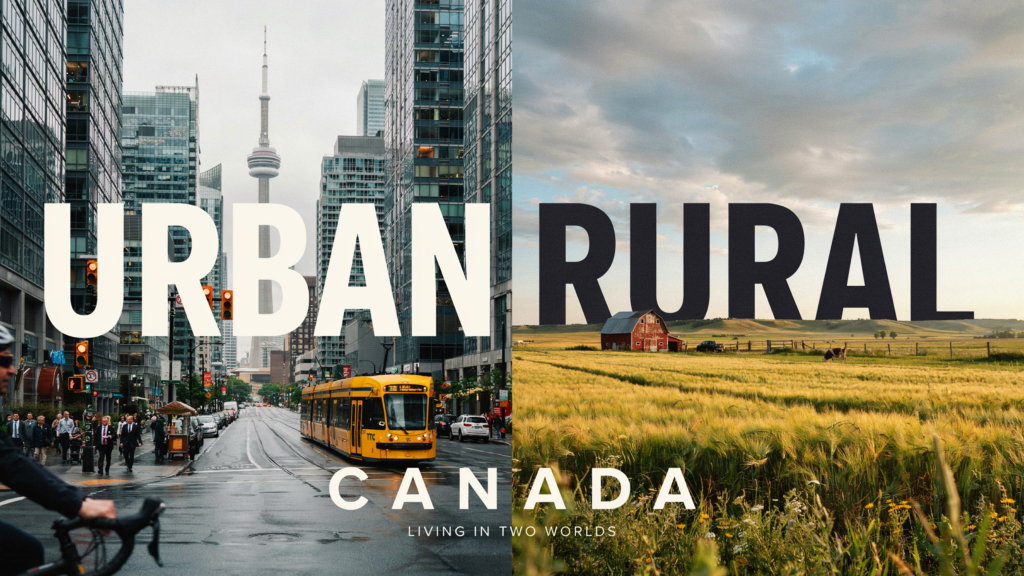
Canada offers an incredible variety of places to live, from bustling metropolitan cities to peaceful countryside communities. Whether you’re considering a move, planning your future, or simply curious about different lifestyles, understanding the differences between urban and rural living in Canada can help you make an informed decision.
Both urban and rural areas provide unique advantages and challenges. While cities offer convenience, career opportunities, and entertainment, rural communities provide tranquility, affordability, and a stronger connection to nature. This guide explores the key differences between urban and rural living in Canada to help you determine which environment best suits your needs.
Understanding Urban and Rural Living in Canada
Urban living refers to residing in cities and large towns with high population density, extensive infrastructure, and a wide range of services. Major Canadian cities such as Toronto, Vancouver, Montreal, Calgary, and Ottawa are prime examples of urban environments.
Rural living, on the other hand, involves living in smaller towns, villages, farming communities, or remote areas where populations are lower and natural landscapes dominate the surroundings.
According to Statistics Canada, a significant portion of Canadians live in urban centers, but many people continue to choose rural communities for their lifestyle benefits and lower cost of living.
Cost of Living Comparison
Urban Living Costs
One of the biggest considerations when choosing between urban and rural living is the cost of living. Canadian cities generally have higher living expenses, especially in major metropolitan areas.
Common urban expenses include:
- Higher housing prices
- Expensive rental markets
- Increased transportation costs
- Higher childcare expenses
- More costly dining and entertainment
Cities like Toronto and Vancouver consistently rank among the most expensive places to live in Canada, particularly regarding housing affordability.
Rural Living Costs
Rural areas often offer a more affordable lifestyle. Housing prices are generally lower, allowing residents to purchase larger homes and properties for less money.
Benefits of rural affordability include:
- Lower home prices
- Reduced property taxes in some regions
- Less expensive daily living costs
- Larger properties and land ownership opportunities
However, rural residents may face additional costs related to transportation, fuel, and access to certain services.
Employment Opportunities
Career Options in Urban Areas
Cities serve as Canada’s economic hubs, providing diverse employment opportunities across numerous industries.
Major urban sectors include:
- Technology
- Finance
- Healthcare
- Education
- Government
- Professional services
- Entertainment and media
Urban residents often enjoy access to higher-paying jobs, networking opportunities, and career advancement options.
Employment in Rural Communities
Rural economies are often built around specific industries such as:
- Agriculture
- Forestry
- Fishing
- Mining
- Tourism
- Renewable energy
While job opportunities may be more limited, remote work has expanded possibilities for rural residents. Many professionals now live in smaller communities while working for employers located in major cities.
Housing and Space
Urban Housing
Urban housing typically includes:
- Apartments
- Condominiums
- Townhouses
- Smaller detached homes
Due to population density and high demand, living spaces in cities are often smaller and more expensive.
Many urban residents prioritize location and convenience over square footage.
Rural Housing
One of the biggest attractions of rural living is access to larger homes and properties.
Rural housing often offers:
- Larger lots
- Detached homes
- Acreage properties
- Farms and hobby farms
- Greater privacy
Families frequently choose rural communities to gain more living space without significantly increasing housing costs.
Transportation and Commuting
Urban Transportation
Most Canadian cities offer extensive transportation networks, including:
- Public transit systems
- Buses
- Subways
- Light rail transit
- Bike-sharing programs
Urban residents may not need to own a vehicle, particularly in larger cities with well-developed transit systems.
However, traffic congestion can significantly increase commute times.
Rural Transportation
In rural Canada, personal vehicles are often essential.
Challenges include:
- Longer driving distances
- Limited public transportation
- Greater dependence on cars
- Increased fuel costs
On the positive side, rural residents typically experience less traffic and more scenic commutes.
Access to Healthcare
Healthcare in Urban Areas
Cities generally provide easier access to healthcare services, including:
- Major hospitals
- Specialist clinics
- Walk-in medical centers
- Mental health services
Urban residents often benefit from shorter travel distances when seeking medical care.
Healthcare in Rural Areas
Rural communities may have:
- Smaller healthcare facilities
- Fewer specialists
- Longer travel times for treatment
Despite these challenges, many rural communities maintain strong healthcare networks and increasingly utilize telemedicine services.
Education Opportunities
Urban Education
Urban areas offer a wide variety of educational options, including:
- Public schools
- Private schools
- Specialized programs
- Colleges and universities
Families often have more choices when selecting schools and extracurricular activities.
Rural Education
Rural schools frequently provide:
- Smaller class sizes
- Strong community involvement
- Personalized learning environments
However, students may have fewer specialized course options compared to larger urban school systems.
Lifestyle and Recreation
Urban Lifestyle
City life offers endless opportunities for entertainment and social engagement.
Popular urban attractions include:
- Museums
- Concert venues
- Professional sports
- Restaurants
- Shopping centers
- Cultural festivals
Urban residents often enjoy a fast-paced lifestyle with numerous activities available year-round.
Rural Lifestyle
Rural living emphasizes outdoor recreation and community connections.
Common rural activities include:
- Hiking
- Fishing
- Camping
- Hunting
- Boating
- Community events
Many people appreciate the slower pace and stronger sense of belonging found in rural communities.
Community and Social Life
Urban Communities
Urban areas are diverse and multicultural, allowing residents to interact with people from various backgrounds.
Advantages include:
- Greater cultural diversity
- Expanded networking opportunities
- Larger social circles
- More organized events
However, some residents may feel less connected to their neighbors.
Rural Communities
Rural communities are often characterized by close-knit relationships and strong local support networks.
Benefits include:
- Strong sense of community
- Familiar neighbors
- Local traditions
- Community involvement
Many rural residents value the personal connections that develop in smaller populations.
Internet and Technology Access
Urban Connectivity
Cities generally enjoy:
- High-speed internet
- Reliable mobile coverage
- Advanced digital infrastructure
These advantages support remote work, online education, and digital businesses.
Rural Connectivity
Internet access has improved significantly in many rural areas, but some locations still experience:
- Slower internet speeds
- Limited service providers
- Coverage challenges
Government and private-sector investments continue to expand broadband access across rural Canada.
Environmental Considerations
Urban Environment
Urban living often means:
- Less personal green space
- More air and noise pollution
- Greater population density
At the same time, cities may offer more environmentally efficient transportation options and reduced individual energy consumption.
Rural Environment
Rural residents often enjoy:
- Cleaner air
- More natural surroundings
- Reduced noise pollution
- Greater access to outdoor spaces
These factors contribute to a lifestyle closely connected with nature.
Safety and Crime Rates
Crime rates vary across Canada, but many rural communities experience lower levels of certain crimes compared to large urban centers.
However, rural areas may face unique challenges related to emergency response times and access to law enforcement resources.
Urban areas typically have larger police forces and emergency services but may experience higher rates of property crime due to population density.
Pros and Cons of Urban Living in Canada
Pros
- More job opportunities
- Better public transportation
- Access to healthcare specialists
- Diverse entertainment options
- Extensive educational opportunities
- Strong digital infrastructure
Cons
- Higher cost of living
- Expensive housing
- Traffic congestion
- Smaller living spaces
- Increased noise and pollution
Pros and Cons of Rural Living in Canada
Pros
- Lower housing costs
- More space and privacy
- Strong community connections
- Access to nature
- Less traffic and noise
Cons
- Limited job opportunities
- Longer travel distances
- Fewer healthcare specialists
- Reduced public transportation
- Potential internet limitations
Which Is Better: Urban or Rural Living?
There is no universal answer to whether urban or rural living is better in Canada. The right choice depends on your personal priorities, career goals, family needs, and lifestyle preferences.
Urban living may be ideal if you value career advancement, cultural diversity, public transportation, and access to services. Rural living may be a better fit if you prioritize affordability, privacy, outdoor recreation, and a slower pace of life.
Many Canadians find a balance by choosing suburban communities that combine elements of both urban and rural living.
Final Thoughts
Urban and rural living in Canada each offer distinct advantages and challenges. Cities provide convenience, opportunity, and excitement, while rural communities deliver affordability, space, and a strong connection to nature. Understanding your priorities can help you select the environment that best supports your personal and professional goals.
Whether you choose the vibrant energy of a city or the peaceful charm of the countryside, Canada offers excellent opportunities for a fulfilling and rewarding lifestyle.

Hi, I’m Tanvir, the founder and author of Explore Ireland Now. With a deep love for Ireland and its rich culture, history, and landscapes, I created this site to share everything that makes this beautiful country worth exploring. Whether you’re a local looking for hidden gems or a traveler planning your next adventure, I provide insightful guides, tips, and recommendations to help you experience Ireland to the fullest.
From stunning landscapes to vibrant cities and quaint villages, Ireland is full of wonders waiting to be discovered. Through my personal experiences and research, I aim to bring you the most up-to-date information and inspiration for your journey.
Thank you for visiting Explore Ireland Now—I hope my content helps you uncover all that this incredible country has to offer! If you have any questions or need travel advice, feel free to reach out.