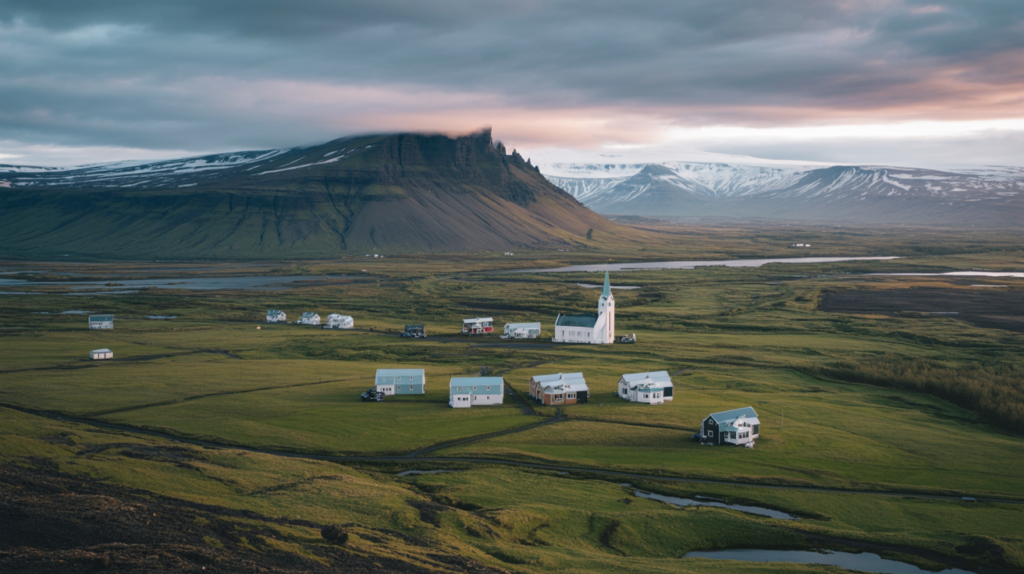
Iceland has become one of the world’s most sought-after travel destinations, attracting visitors with its breathtaking waterfalls, volcanic landscapes, black sand beaches, glaciers, and geothermal hot springs. Known as the “Land of Fire and Ice,” this Nordic island offers experiences that are difficult to find anywhere else on Earth.
Whether you’re hoping to witness the Northern Lights, drive the famous Ring Road, or relax in a geothermal lagoon, Iceland promises unforgettable memories. However, every destination has its strengths and weaknesses, and Iceland is no exception.
Before booking your trip, it’s important to understand both the advantages and challenges of traveling in Iceland. This guide covers the main pros and cons to help you decide whether Iceland is the right destination for your next adventure.
Quick Pros and Cons of Traveling in Iceland
| Pros | Cons |
|---|---|
| Stunning natural scenery | High travel costs |
| Safe and peaceful country | Expensive food and accommodation |
| Excellent road trip destination | Unpredictable weather |
| Northern Lights opportunities | Limited public transportation |
| Unique geothermal attractions | Crowded tourist sites in summer |
| Friendly locals | High car rental costs |
| Clean environment | Challenging winter driving |
| Adventure activities everywhere | Some attractions are remote |
Why Iceland Is So Popular
Over the past decade, Iceland has transformed from a relatively unknown destination into a bucket-list location for travelers worldwide.
The country’s popularity comes from its incredible combination of natural wonders. Visitors can explore glaciers in the morning, walk across volcanic landscapes in the afternoon, and soak in a hot spring in the evening. Few destinations offer such a variety of experiences within a relatively small area.
In addition, Iceland’s dramatic scenery has appeared in numerous movies, television series, and travel documentaries, inspiring millions of people to visit.
Pros of Traveling in Iceland
Incredible Natural Beauty
One of the biggest reasons people travel to Iceland is the spectacular scenery.
Every region of the country offers something unique. You can find towering waterfalls, volcanic craters, glacier lagoons, lava fields, black sand beaches, and rugged mountain ranges all within a single trip.
Some of the most famous natural attractions include:
- Gullfoss Waterfall
- Seljalandsfoss Waterfall
- Skógafoss Waterfall
- Jökulsárlón Glacier Lagoon
- Reynisfjara Black Sand Beach
- Diamond Beach
- Thingvellir National Park
Many travelers say that Iceland feels like another planet because the landscapes are unlike anything they have seen before.
One of the Safest Countries in the World
Safety is another major advantage of visiting Iceland.
The country consistently ranks among the safest nations globally. Crime rates are extremely low, and visitors generally feel comfortable exploring cities, towns, and remote areas.
This makes Iceland an excellent destination for:
- Solo travelers
- Families with children
- Couples
- First-time international travelers
The welcoming atmosphere contributes significantly to the overall travel experience.
Perfect for Road Trips
Iceland is often considered one of the world’s best road-trip destinations.
The famous Ring Road circles the island and connects many of the country’s most popular attractions. Driving allows travelers to stop whenever they discover a scenic viewpoint, waterfall, or hidden gem.
Benefits of a road trip in Iceland include:
- Complete flexibility
- Access to remote attractions
- Spectacular coastal views
- Opportunities for spontaneous exploration
For many visitors, the road trip itself becomes one of the highlights of the journey.
Amazing Northern Lights Opportunities
Seeing the Aurora Borealis is a dream for many travelers.
During the darker months, especially between September and April, Iceland offers excellent opportunities to witness this natural phenomenon.
The Northern Lights can appear as green, purple, or pink waves dancing across the night sky, creating an unforgettable experience.
Although sightings are never guaranteed, Iceland’s dark skies and minimal light pollution improve the chances significantly.
Unique Geothermal Attractions
Iceland’s volcanic activity has created some of the world’s most unique geothermal experiences.
Visitors can enjoy:
- Natural hot springs
- Geothermal lagoons
- Geysers
- Steam vents
- Volcanic landscapes
The Blue Lagoon is perhaps the country’s most famous attraction, but many travelers also enjoy smaller and less crowded geothermal pools throughout the island.
Relaxing in warm mineral-rich water while surrounded by snow or lava fields is an experience unique to Iceland.
Clean Air and Pure Water
Many visitors immediately notice how fresh the air feels in Iceland.
The country has very low pollution levels and places a strong emphasis on environmental conservation.
Another benefit is the quality of the tap water. Icelandic water comes from natural sources and is considered among the cleanest in the world.
Many travelers find there’s no need to purchase bottled water during their trip.
Friendly and Helpful Locals
Although Iceland’s population is relatively small, locals are often known for being welcoming and helpful.
English is widely spoken throughout the country, making communication easy for most international visitors.
Whether asking for directions, travel advice, or recommendations, travelers usually find locals willing to assist.
Endless Outdoor Adventures
Adventure lovers will find plenty of activities in Iceland.
Popular outdoor experiences include:
- Glacier hiking
- Ice cave exploration
- Whale watching
- Snowmobiling
- Volcano tours
- Horseback riding
- Hiking
- Kayaking
Regardless of the season, Iceland offers exciting opportunities for travelers who enjoy the outdoors.
Cons of Traveling in Iceland
Iceland Is Expensive
The most common complaint about Iceland is the cost.
Compared to many other destinations in Europe, Iceland can be significantly more expensive.
Travelers often encounter higher prices for:
- Hotels
- Restaurants
- Car rentals
- Fuel
- Tours
- Groceries
Budget-conscious visitors may need to carefully plan their expenses before arriving.
Accommodation Can Be Costly
Hotel prices in Iceland can be surprisingly high, particularly during the summer tourist season.
In popular destinations, accommodations often book out months in advance, causing prices to increase even further.
Many travelers save money by:
- Booking early
- Staying in guesthouses
- Camping during summer
- Renting apartments with kitchens
Planning ahead can help reduce accommodation expenses significantly.
Unpredictable Weather
Icelandic weather is famous for changing rapidly.
A sunny morning can quickly become windy, rainy, or snowy within a few hours.
Because of this unpredictability, travelers should always carry:
- Waterproof clothing
- Warm layers
- Windproof jackets
- Sturdy walking shoes
Being prepared for multiple weather conditions is essential.
Limited Public Transportation
Public transportation options outside Reykjavík are relatively limited.
While buses operate in some regions, many of Iceland’s most beautiful attractions are difficult to reach without a car or organized tour.
This can increase transportation costs for travelers who prefer not to drive.
Food and Dining Are Expensive
Dining out in Iceland can quickly impact your travel budget.
Even casual restaurants often charge more than visitors expect.
To save money, many travelers:
- Shop at supermarkets
- Prepare their own meals
- Choose accommodations with cooking facilities
While Iceland offers excellent seafood and local cuisine, eating out frequently can become expensive.
Crowded Tourist Attractions During Summer
Although Iceland is sparsely populated, some attractions become crowded during peak season.
Popular locations such as:
- The Golden Circle
- Blue Lagoon
- Seljalandsfoss
- Skógafoss
- Reynisfjara Beach
can attract large numbers of visitors during the summer months.
Those seeking a quieter experience may prefer visiting during spring or autumn.
Winter Driving Can Be Difficult
Winter travel offers beautiful snowy landscapes and Northern Lights opportunities, but it also creates challenges.
Potential issues include:
- Snowstorms
- Strong winds
- Ice-covered roads
- Temporary road closures
Drivers unfamiliar with winter conditions may find some routes stressful.
Checking weather forecasts and road conditions regularly is essential during winter travel.
Limited Daylight in Winter
If you’re visiting during December or January, be prepared for very short days.
Some areas receive only a few hours of daylight.
While this increases opportunities for Northern Lights viewing, it limits the amount of sightseeing possible each day.
Travelers must plan their schedules carefully during winter.
Remote Attractions Require Extra Planning
Many of Iceland’s most beautiful destinations are located far from major towns.
Reaching remote regions may require:
- Additional driving time
- Four-wheel-drive vehicles
- Fuel planning
- Emergency supplies
Travelers who enjoy spontaneous trips may find some areas require more preparation than expected.
Tips for Traveling in Iceland
Visit During the Shoulder Seasons
Spring and autumn often provide a good balance between weather, prices, and visitor numbers.
Benefits include:
- Lower accommodation costs
- Fewer crowds
- Easier access to attractions
Book Early
Hotels, tours, and rental cars can fill up quickly, especially during summer.
Booking several months in advance often results in better prices and more options.
Rent a Vehicle
A rental car provides the greatest flexibility and allows travelers to explore beyond the most popular tourist routes.
Pack for All Weather Conditions
Even if the forecast looks favorable, weather conditions can change rapidly.
Layered clothing is the best approach for staying comfortable throughout your trip.
Set a Realistic Budget
Because Iceland is expensive, planning your budget in advance can prevent surprises.
Consider expenses such as:
- Accommodation
- Transportation
- Food
- Activities
- Fuel
A realistic budget helps ensure a more enjoyable experience.
Is Traveling to Iceland Worth It?
For most travelers, the answer is yes.
Few destinations offer the combination of natural beauty, adventure, safety, and unique experiences found in Iceland. From waterfalls and glaciers to geothermal lagoons and Northern Lights displays, the country provides unforgettable memories at nearly every turn.
While the high costs and unpredictable weather can be challenging, most visitors believe the experiences are well worth the expense.
If you love nature, photography, road trips, hiking, and outdoor adventures, Iceland is likely to exceed your expectations.
Final Thoughts
Traveling in Iceland comes with both advantages and disadvantages, but for many people, the pros far outweigh the cons. The country’s extraordinary landscapes, welcoming atmosphere, and unique attractions make it one of the most remarkable destinations in the world.
By understanding the challenges—such as high costs, changing weather, and transportation limitations—you can prepare properly and make the most of your visit.
Whether you’re chasing waterfalls, exploring glaciers, or watching the Northern Lights dance across the sky, Iceland offers experiences that few places on Earth can match.

Hi, I’m Tanvir, the founder and author of Explore Ireland Now. With a deep love for Ireland and its rich culture, history, and landscapes, I created this site to share everything that makes this beautiful country worth exploring. Whether you’re a local looking for hidden gems or a traveler planning your next adventure, I provide insightful guides, tips, and recommendations to help you experience Ireland to the fullest.
From stunning landscapes to vibrant cities and quaint villages, Ireland is full of wonders waiting to be discovered. Through my personal experiences and research, I aim to bring you the most up-to-date information and inspiration for your journey.
Thank you for visiting Explore Ireland Now—I hope my content helps you uncover all that this incredible country has to offer! If you have any questions or need travel advice, feel free to reach out.