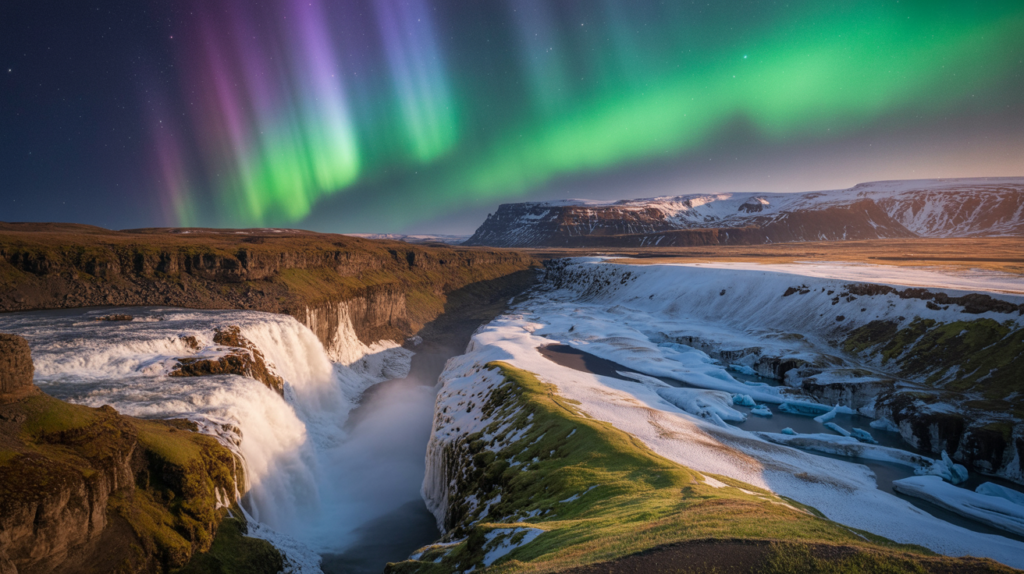
Iceland is one of the most photogenic countries in the world. From dramatic waterfalls and black sand beaches to glaciers, volcanoes, ice caves, and the Northern Lights, the country offers endless opportunities for photographers of all skill levels. Whether you’re a professional landscape photographer or a traveler capturing memories with a smartphone, Iceland provides stunning scenery around every corner.
In this guide, you’ll discover the best photography spots in Iceland, including iconic landmarks, hidden gems, and practical tips for getting the perfect shot.
Why Iceland Is a Photographer’s Paradise
Few destinations offer such diverse landscapes within relatively short driving distances. Iceland’s unique geography combines glaciers, lava fields, waterfalls, mountains, geothermal areas, and rugged coastlines, creating endless compositions for photographers.
Some reasons photographers love Iceland include:
- Unique and dramatic landscapes
- Incredible sunrise and sunset colors
- Opportunities to photograph the Northern Lights
- Easily accessible natural attractions
- Diverse scenery throughout the year
- Minimal light pollution in many areas
No matter when you visit, Iceland offers something spectacular to photograph.
1. Kirkjufell Mountain
Why It’s Famous
Kirkjufell is arguably the most photographed mountain in Iceland. Located on the Snæfellsnes Peninsula, its distinctive shape makes it instantly recognizable.
Best Photography Opportunities
- Sunrise reflections
- Winter snow-covered landscapes
- Northern Lights
- Nearby Kirkjufellsfoss waterfall
Photography Tip
Use the waterfall in the foreground to create a balanced composition with the mountain in the background.
2. Seljalandsfoss Waterfall
One of Iceland’s most famous waterfalls, Seljalandsfoss offers a unique perspective because visitors can walk behind the cascading water.
Best Time to Visit
- Sunrise for fewer crowds
- Golden hour for warm lighting
- Summer evenings for extended daylight
Photography Tip
Bring a waterproof cover for your camera, as mist can be intense.
3. Skógafoss Waterfall
Skógafoss is one of Iceland’s largest and most powerful waterfalls.
What Makes It Special
- Massive 60-meter drop
- Frequent rainbows
- Excellent drone photography opportunities
- Accessible viewing platforms
Best Lens
A wide-angle lens works perfectly to capture the entire waterfall.
4. Reynisfjara Black Sand Beach
Located near the village of Vík, Reynisfjara is among Iceland’s most dramatic coastal photography locations.
Highlights
- Black volcanic sand
- Basalt columns
- Sea stacks
- Powerful Atlantic waves
Safety Note
Never turn your back on the ocean. Sneaker waves can be extremely dangerous.
5. Diamond Beach
Diamond Beach gets its name from the ice chunks that wash ashore from the nearby glacier lagoon.
Photography Opportunities
- Ice formations on black sand
- Sunrise reflections
- Long-exposure photography
- Macro photography of ice textures
Best Conditions
Early morning often provides the best lighting and fewer visitors.
6. Jökulsárlón Glacier Lagoon
Located beside Diamond Beach, this glacier lagoon is one of Iceland’s most spectacular photography locations.
Why Photographers Love It
- Floating icebergs
- Wildlife photography opportunities
- Reflection shots
- Stunning blue ice
Wildlife
Keep an eye out for seals swimming among the icebergs.
7. Vestrahorn Mountain
Vestrahorn is a dream location for landscape photographers.
Best Features
- Jagged mountain peaks
- Black sand dunes
- Reflection pools
- Minimal crowds compared to southern attractions
Best Time
Sunrise creates beautiful reflections and dramatic shadows.
8. Stokksnes Peninsula
Adjacent to Vestrahorn, Stokksnes offers numerous compositions.
Photography Highlights
- Viking village film set
- Sand dunes
- Coastal scenery
- Mountain reflections
9. Thingvellir National Park
Part of Iceland’s Golden Circle route, Thingvellir offers historical and geological significance.
Unique Photography Subjects
- Tectonic plate boundaries
- Waterfalls
- Rift valleys
- Crystal-clear rivers
Best Season
Autumn provides vibrant colors and fewer tourists.
10. Gullfoss Waterfall
Gullfoss is one of Iceland’s most iconic waterfalls.
What Makes It Special
- Two-tiered waterfall
- Powerful water flow
- Frequent rainbows
- Dramatic canyon setting
Photography Tip
Visit during sunset for golden light illuminating the falls.
11. Geysir Geothermal Area
This geothermal region offers unique photography opportunities.
Subjects to Capture
- Erupting Strokkur geyser
- Steam vents
- Hot springs
- Colorful geothermal pools
Camera Settings
Use burst mode to capture the exact moment of eruption.
12. Dyrhólaey
Dyrhólaey provides some of Iceland’s best coastal views.
Photography Highlights
- Sea arch
- Puffins (summer)
- Cliffs
- Panoramic ocean views
13. Fjaðrárgljúfur Canyon
This stunning canyon became internationally famous thanks to social media and travel photography.
Best Photography Ideas
- Drone photography
- River compositions
- Elevated viewpoints
- Autumn colors
14. Hraunfossar Waterfalls
Unlike traditional waterfalls, Hraunfossar emerges from beneath a lava field.
Why It’s Unique
- Hundreds of small cascades
- Lava formations
- Beautiful autumn colors
15. Dettifoss
Known as Europe’s most powerful waterfall, Dettifoss offers dramatic photography opportunities.
Best Conditions
Cloudy weather often enhances the mood and atmosphere.
16. Goðafoss Waterfall
Often called the “Waterfall of the Gods,” Goðafoss is one of northern Iceland’s most photogenic locations.
Best Photography Tips
- Capture from both sides
- Use long exposures
- Visit during sunrise or sunset
17. Hvitserkur Rock Formation
This unique sea stack resembles a dragon drinking from the sea.
Why Photographers Love It
- Distinctive shape
- Reflection opportunities
- Wildlife nearby
18. Landmannalaugar
Located in Iceland’s Highlands, Landmannalaugar features colorful rhyolite mountains.
Best Season
Summer is the only practical time for most visitors.
19. Highlands of Iceland
The Highlands offer remote wilderness unlike anywhere else in Europe.
Photography Subjects
- Volcanic landscapes
- Remote mountains
- Rivers
- Vast open spaces
20. Ice Caves
Iceland’s ice caves provide extraordinary photography opportunities.
Best Time to Visit
November through March offers the safest access and best conditions.
Photography Tip
A tripod is extremely useful in low-light cave environments.
21. Northern Lights Locations
Iceland is one of the world’s best destinations for photographing the Aurora Borealis.
Top Locations
- Kirkjufell
- Jökulsárlón
- Thingvellir National Park
- Snæfellsnes Peninsula
Camera Settings
- Aperture: f/2.8 or wider
- ISO: 1600–3200
- Shutter speed: 5–20 seconds
22. Blue Lagoon
One of Iceland’s most famous attractions offers unique photography possibilities.
Best Subjects
- Geothermal waters
- Steam effects
- Contrasting lava fields
Best Time
Early morning provides fewer crowds and softer lighting.
23. Snæfellsjökull National Park
This national park combines glaciers, lava fields, cliffs, and coastlines.
Photography Opportunities
- Glacier-covered volcano
- Coastal landscapes
- Wildlife
- Dramatic weather
24. East Fjords
The East Fjords remain one of Iceland’s least-visited regions.
Why Visit
- Fewer tourists
- Beautiful mountain roads
- Coastal villages
- Wildlife encounters
25. Arnarstapi
A picturesque fishing village on the Snæfellsnes Peninsula.
Highlights
- Sea cliffs
- Natural arches
- Coastal rock formations
- Birdlife
Best Seasons for Photography in Iceland
Summer (June–August)
Pros:
- Midnight sun
- Green landscapes
- Easier access
Cons:
- More tourists
Autumn (September–October)
Pros:
- Fall colors
- Northern Lights begin appearing
- Fewer crowds
Winter (November–March)
Pros:
- Northern Lights
- Ice caves
- Snow-covered landscapes
Cons:
- Limited daylight
Spring (April–May)
Pros:
- Waterfalls at peak flow
- Returning wildlife
- Mixed seasonal scenery
Essential Photography Gear for Iceland
Consider bringing:
- Wide-angle lens
- Telephoto lens
- Tripod
- Polarizing filter
- Waterproof camera cover
- Extra batteries
- Lens cleaning cloths
- ND filters
Iceland’s weather changes rapidly, so protecting your equipment is crucial.
Photography Tips for Iceland
Check the Weather
Conditions can change dramatically within hours.
Plan for Golden Hour
Even during summer, early mornings and late evenings often provide the best light.
Respect Nature
Stay on marked trails and avoid disturbing fragile landscapes.
Be Patient
Weather conditions can transform a scene from ordinary to extraordinary within minutes.
Final Thoughts
Iceland is a dream destination for photographers. Whether you’re capturing the iconic beauty of Kirkjufell, photographing icebergs at Jökulsárlón, exploring colorful mountains in Landmannalaugar, or chasing the Northern Lights across the Arctic sky, you’ll find countless opportunities to create unforgettable images.
The best photography spots in Iceland showcase the country’s incredible diversity, making it a destination you’ll want to revisit again and again. With careful planning, the right equipment, and a little patience, you can capture some of the most breathtaking landscapes on Earth.

Hi, I’m Tanvir, the founder and author of Explore Ireland Now. With a deep love for Ireland and its rich culture, history, and landscapes, I created this site to share everything that makes this beautiful country worth exploring. Whether you’re a local looking for hidden gems or a traveler planning your next adventure, I provide insightful guides, tips, and recommendations to help you experience Ireland to the fullest.
From stunning landscapes to vibrant cities and quaint villages, Ireland is full of wonders waiting to be discovered. Through my personal experiences and research, I aim to bring you the most up-to-date information and inspiration for your journey.
Thank you for visiting Explore Ireland Now—I hope my content helps you uncover all that this incredible country has to offer! If you have any questions or need travel advice, feel free to reach out.