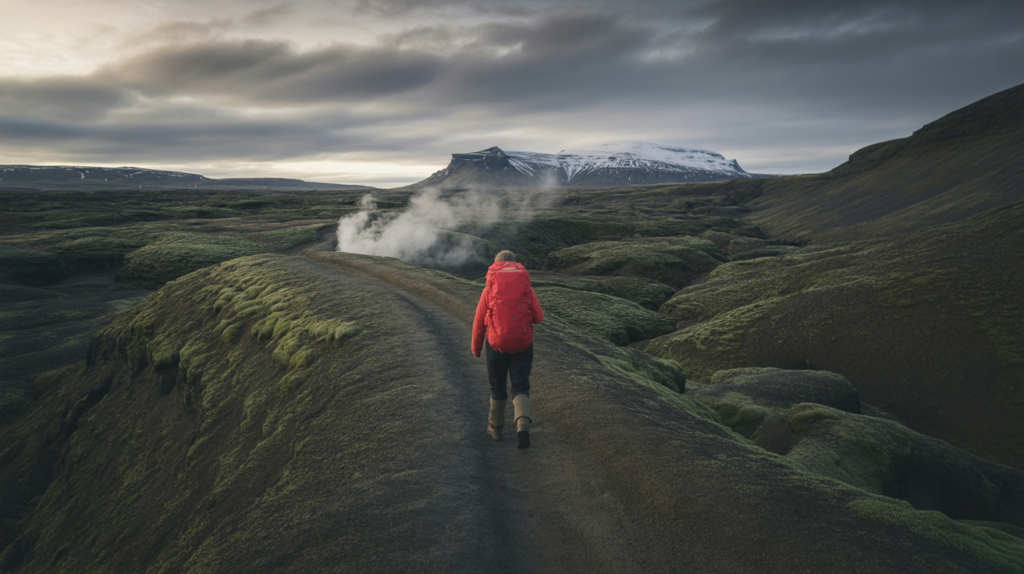
Iceland is one of the world’s most spectacular hiking destinations. Known as the Land of Fire and Ice, this Nordic island offers an extraordinary mix of glaciers, volcanoes, waterfalls, black sand deserts, geothermal valleys, lava fields, and rugged mountain landscapes. Whether you’re a beginner looking for a short scenic walk or an experienced trekker seeking a multi-day adventure, hiking in Iceland provides unforgettable experiences around every corner.
In this guide, you’ll discover the best hiking trails in Iceland, what to pack, when to go, safety tips, and everything else you need to know before hitting the trails.
Why Hiking in Iceland Is So Popular
Few countries offer such diverse natural beauty within a relatively small area. During a single hike, you might walk past steaming hot springs, cross volcanic terrain, admire glacial rivers, and end your journey at a stunning waterfall.
Some reasons hikers love Iceland include:
- Dramatic and unique landscapes
- Well-marked hiking routes
- Excellent opportunities for photography
- Midnight sun during summer
- Diverse hiking options for all skill levels
- Access to remote wilderness areas
- Opportunities to see wildlife and natural wonders
Unlike many destinations where attractions are crowded and developed, Iceland still provides a sense of raw wilderness that makes every hike feel like an adventure.
Best Time for Hiking in Iceland
Summer (June to August)
Summer is considered the best hiking season in Iceland.
Benefits include:
- Mild temperatures
- Long daylight hours
- Most trails accessible
- Highland roads open
- Better weather conditions
Average temperatures range from 10°C to 15°C (50°F to 59°F), making hiking comfortable for most visitors.
Spring (April to May)
Spring offers fewer tourists and beautiful landscapes as snow begins to melt. However, some highland trails may still be closed due to snow.
Autumn (September to October)
Autumn brings colorful scenery and fewer crowds. Weather becomes less predictable, but many popular trails remain accessible.
Winter (November to March)
Winter hiking is possible but requires extra caution. Snow, ice, and short daylight hours can make conditions challenging. Guided tours are recommended for most winter hikes.
What Makes Icelandic Hiking Unique?
Hiking in Iceland is unlike hiking almost anywhere else.
Volcanic Landscapes
Iceland sits on the Mid-Atlantic Ridge, where two tectonic plates meet. This geological activity creates lava fields, volcanic craters, and geothermal areas that look almost otherworldly.
Glaciers
Approximately 11% of Iceland is covered by glaciers. Many hiking trails offer breathtaking views of these massive ice formations.
Waterfalls
Iceland is famous for its countless waterfalls. Many hiking routes feature stunning cascades ranging from small hidden falls to iconic landmarks.
Geothermal Features
Hot springs, steam vents, bubbling mud pools, and geothermal valleys are common sights along Icelandic trails.
Midnight Sun
During summer, the sun barely sets. This allows hikers to enjoy extended adventures and unique lighting conditions for photography.
Top Hiking Trails in Iceland
Laugavegur Trail
The Laugavegur Trail is often considered Iceland’s most famous hiking route.
Highlights
- Colorful rhyolite mountains
- Hot springs
- Black sand deserts
- Volcanic landscapes
- Glacial rivers
Distance
Approximately 55 kilometers (34 miles)
Duration
3 to 5 days
Difficulty
Moderate
The trail connects Landmannalaugar and Þórsmörk and showcases some of Iceland’s most dramatic scenery.
Fimmvörðuháls Trail
This challenging route is often combined with the Laugavegur Trail.
Highlights
- Volcanic craters
- Dozens of waterfalls
- Glacier views
- Mountain passes
Distance
25 kilometers (15.5 miles)
Difficulty
Moderate to difficult
Hikers pass between glaciers and through landscapes shaped by recent volcanic eruptions.
Glymur Waterfall Hike
Glymur was once considered Iceland’s tallest waterfall.
Highlights
- Stunning waterfall views
- River crossings
- Cliffs and canyons
- Scenic valley landscapes
Distance
About 7 kilometers round trip
Difficulty
Moderate
This is one of the best day hikes near Reykjavik.
Reykjadalur Hot Spring Valley
Perfect for beginners and families.
Highlights
- Geothermal activity
- Mountain scenery
- Natural hot river
Distance
Approximately 7 kilometers round trip
Difficulty
Easy to moderate
The reward at the end is a warm geothermal river where hikers can relax.
Hornstrandir Nature Reserve
One of Iceland’s most remote hiking destinations.
Highlights
- Untouched wilderness
- Sea cliffs
- Arctic fox sightings
- Spectacular coastal scenery
Difficulty
Moderate to difficult
This area offers true backcountry adventures far from civilization.
Mount Esja
Located just outside Reykjavik, Mount Esja is popular among locals and visitors alike.
Highlights
- Panoramic views
- Convenient location
- Multiple route options
Difficulty
Easy to challenging depending on the route selected.
The Famous Landmannalaugar Hiking Area
Landmannalaugar deserves special attention because it is one of Iceland’s most beautiful hiking regions.
Visitors can enjoy:
- Rainbow-colored mountains
- Lava fields
- Hot springs
- Numerous day hikes
- Access to multi-day trekking routes
Popular hikes in the area include:
- Bláhnúkur Mountain
- Brennisteinsalda Loop
- Sudurnamur Trail
- Ljótipollur Crater Lake
Many hikers consider Landmannalaugar the crown jewel of Icelandic hiking.
Essential Gear for Hiking in Iceland
Weather conditions in Iceland can change rapidly. Proper preparation is essential.
Clothing
Pack using the layering system:
Base Layer
- Moisture-wicking shirt
- Thermal clothing
Mid Layer
- Fleece or insulated jacket
Outer Layer
- Waterproof and windproof jacket
- Waterproof pants
Footwear
- Waterproof hiking boots
- Comfortable hiking socks
Backpack Essentials
- Water bottle
- Snacks
- Map or GPS
- First-aid kit
- Power bank
- Emergency blanket
- Sunglasses
- Sunscreen
Even short hikes require preparation because weather conditions can change quickly.
Iceland Hiking Safety Tips
Check Weather Forecasts
Weather in Iceland is notoriously unpredictable. Always review conditions before heading out.
Stay on Marked Trails
Trails are designed to protect both hikers and fragile natural environments.
Inform Someone of Your Plans
If hiking in remote areas, let someone know your route and expected return time.
Respect River Crossings
Some trails involve crossing rivers. Never attempt crossings that appear unsafe.
Carry Extra Supplies
Unexpected weather changes can delay your return.
Understand Your Limits
Choose trails that match your fitness level and hiking experience.
Wildlife You May Encounter
Although Iceland has limited wildlife compared to many countries, hikers may see:
Arctic Foxes
The Arctic fox is Iceland’s only native land mammal.
Birds
Popular species include:
- Puffins
- Arctic terns
- Golden plovers
- Guillemots
Reindeer
Wild reindeer can sometimes be spotted in East Iceland.
Always observe wildlife from a respectful distance.
Camping While Hiking in Iceland
Camping is popular among hikers, especially on multi-day treks.
Benefits include:
- Greater flexibility
- Lower accommodation costs
- Access to remote areas
Many hiking routes feature designated campsites with basic facilities.
Wild camping regulations have become stricter in recent years, so always check local rules before setting up camp.
Guided Hiking Tours in Iceland
Guided hikes can be a great option for visitors unfamiliar with Icelandic conditions.
Advantages include:
- Local expertise
- Improved safety
- Transportation included
- Educational insights
- Access to hidden locations
Guided tours range from short day hikes to multi-day wilderness expeditions.
Photography Tips for Icelandic Hikes
Iceland offers endless photography opportunities.
Best Times to Shoot
- Early morning
- Late evening
- Golden hour
- Midnight sun during summer
Popular Subjects
- Waterfalls
- Mountains
- Glaciers
- Hot springs
- Wildlife
- Northern Lights during appropriate seasons
Always protect your camera equipment from rain and strong winds.
Common Challenges of Hiking in Iceland
While incredibly rewarding, hiking in Iceland can present challenges:
Rapid Weather Changes
Sunny skies can quickly become windy and rainy.
Strong Winds
Iceland’s winds can be surprisingly powerful.
River Crossings
Some highland trails require multiple crossings.
Remote Locations
Many hiking areas are far from services and assistance.
Preparation and awareness help ensure a safe experience.
Sustainable Hiking Practices
Iceland’s landscapes are fragile and require protection.
Follow these principles:
- Stay on marked trails
- Pack out all trash
- Respect wildlife
- Avoid damaging vegetation
- Use designated campsites
- Follow local regulations
Responsible tourism helps preserve Iceland’s natural beauty for future generations.
Frequently Asked Questions About Hiking in Iceland
Is hiking in Iceland suitable for beginners?
Yes. Iceland offers numerous beginner-friendly trails such as Reykjadalur and parts of Mount Esja.
Do I need hiking boots?
For most trails, waterproof hiking boots are highly recommended due to uneven terrain and changing weather.
Can I hike independently?
Many popular trails can be completed independently. However, remote routes require experience and proper preparation.
Is Iceland expensive for hikers?
Iceland is generally expensive, but hiking itself is relatively affordable. Many trails are free to access.
How many days should I spend hiking in Iceland?
A week allows visitors to experience several excellent hikes, while two weeks provides opportunities for multi-day trekking adventures.
Final Thoughts
Hiking in Iceland offers an unforgettable opportunity to explore one of the most extraordinary landscapes on Earth. From colorful mountains and volcanic craters to glaciers, waterfalls, and geothermal valleys, every trail reveals a new natural wonder. Whether you’re tackling the famous Laugavegur Trail, soaking in the warm waters of Reykjadalur, or exploring the remote wilderness of Hornstrandir, Iceland delivers hiking experiences unlike anywhere else in the world.
With proper planning, suitable gear, and respect for nature, your Icelandic hiking adventure can become one of the most memorable journeys you’ll ever take. The country’s dramatic scenery, endless outdoor opportunities, and unique geological features make it a dream destination for hikers from around the globe.

Hi, I’m Tanvir, the founder and author of Explore Ireland Now. With a deep love for Ireland and its rich culture, history, and landscapes, I created this site to share everything that makes this beautiful country worth exploring. Whether you’re a local looking for hidden gems or a traveler planning your next adventure, I provide insightful guides, tips, and recommendations to help you experience Ireland to the fullest.
From stunning landscapes to vibrant cities and quaint villages, Ireland is full of wonders waiting to be discovered. Through my personal experiences and research, I aim to bring you the most up-to-date information and inspiration for your journey.
Thank you for visiting Explore Ireland Now—I hope my content helps you uncover all that this incredible country has to offer! If you have any questions or need travel advice, feel free to reach out.