
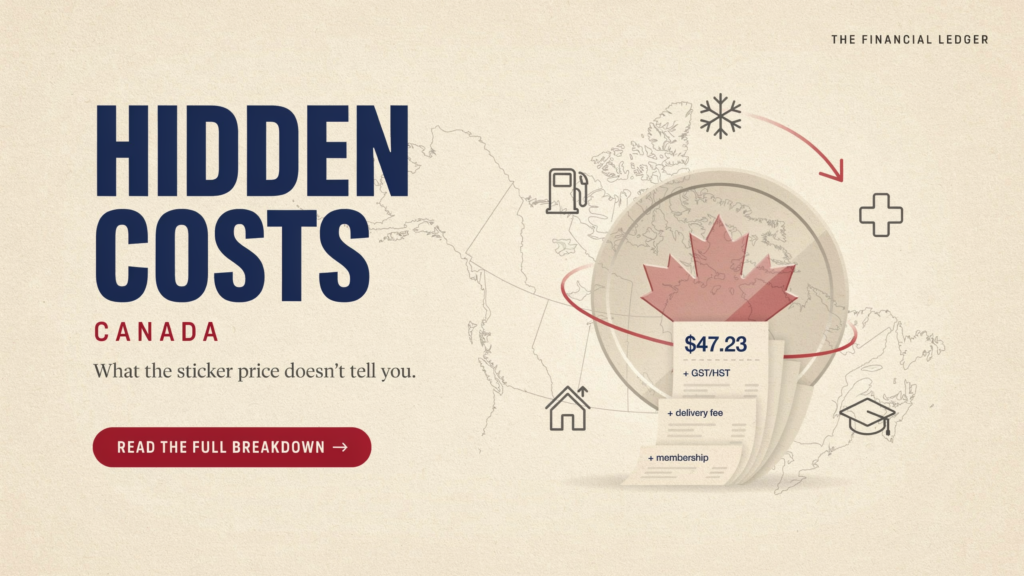
Canada is one of the most popular destinations for immigrants, students, workers, and travelers because of its strong economy, high quality of life, and beautiful natural scenery. However, many people discover that living in Canada can be far more expensive than they originally expected.
While most people plan for obvious expenses like rent, tuition, transportation, and groceries, they often forget about the smaller hidden costs that slowly increase their monthly spending. These extra expenses may not seem large at first, but together they can have a major impact on your budget.
Understanding these hidden costs can help you prepare financially and avoid unnecessary stress.
Why Hidden Costs Matter in Canada
Many people calculate only the basic expenses before moving to Canada or planning their budget. Unfortunately, unexpected costs appear almost immediately after settling in.
These hidden expenses can affect:
- Monthly savings
- Financial goals
- Emergency funds
- Lifestyle choices
- Housing decisions
- Long-term financial stability
Planning ahead helps you avoid financial surprises and manage your money more effectively.
High Sales Taxes Increase Everyday Spending
One of the first things newcomers notice is that prices in stores usually do not include taxes. The amount you pay at checkout is often higher than the displayed price.
Canada uses different tax systems depending on the province, including:
- GST (Goods and Services Tax)
- PST (Provincial Sales Tax)
- HST (Harmonized Sales Tax)
For example, an item priced at CAD 100 may actually cost CAD 113 or more after taxes are added.
Some provinces have lower tax rates, while others are significantly more expensive. These taxes apply to many daily purchases, including clothing, electronics, restaurant meals, and household items.
Mobile Phone Plans Are Expensive
Canada is known for having some of the world’s highest mobile phone costs.
Many people expect affordable plans but are surprised by:
- Expensive data packages
- High roaming fees
- Additional charges for international calls
- Extra fees for premium services
A standard mobile phone plan can easily cost between CAD 50 and CAD 90 per month.
Families can sometimes reduce costs through shared plans, but phone bills remain one of the most common hidden expenses in Canada.
Internet Bills Can Be Higher Than Expected
Internet service is another major hidden cost.
Depending on the city and provider, home internet may cost between CAD 70 and CAD 120 per month.
Additional expenses may include:
- Installation charges
- Equipment rental fees
- Overage charges
- Faster-speed upgrades
People living in rural areas often face even higher internet costs because of limited service options.
Winter Clothing and Cold Weather Expenses
Canadian winters can be extremely cold, especially for people coming from warmer countries.
Many newcomers underestimate the cost of winter essentials such as:
- Heavy winter jackets
- Snow boots
- Gloves
- Thermal clothing
- Hats and scarves
Quality winter clothing can cost several hundred dollars per person.
Winter also increases household utility costs because heating becomes necessary for several months each year.
Older homes and apartments may have poor insulation, leading to expensive heating bills during the coldest months.
Car Ownership Costs Add Up Quickly
Owning a vehicle in Canada involves many hidden expenses beyond fuel.
These costs may include:
- Car insurance
- Winter tires
- Vehicle registration
- Parking fees
- Repairs and maintenance
- Snow removal expenses
Car insurance is especially expensive for newcomers without a Canadian driving history.
In some provinces, insurance alone can cost hundreds of dollars every month for new drivers.
Winter tires are another important expense because many areas experience icy roads and heavy snowfall.
Public Transportation Is Not Always Cheap
Although public transportation is usually cheaper than owning a car, it can still become expensive over time.
Monthly transit passes in major cities often cost more than CAD 100.
Additional transportation expenses may include:
- Train station parking
- Ride-sharing services
- Regional transit connections
People who travel long distances to work may spend a significant amount on transportation every month.
Banking Fees Surprise Many Newcomers
Many Canadian banks charge monthly account fees.
These hidden banking costs may include:
- Monthly maintenance fees
- ATM withdrawal charges
- International transfer fees
- Currency conversion charges
- Credit card annual fees
Some banks offer student or newcomer packages with reduced fees, but standard banking services can still become costly over time.
Restaurant Dining Costs More Than Expected
Eating at restaurants in Canada is often more expensive than people initially expect.
Customers usually pay for:
- Sales tax
- Tips
- Delivery fees
- Service charges
Tipping is an important part of Canadian culture, especially in restaurants.
Most restaurants expect customers to leave tips between 15% and 20% of the bill.
As a result, a meal that appears affordable on the menu can become much more expensive after taxes and tips are included.
Healthcare Is Not Completely Free
Canada’s public healthcare system covers many essential medical services, but not everything is free.
People may still need to pay for:
- Prescription medications
- Dental care
- Eye exams
- Glasses
- Physiotherapy
- Mental health services
Many workers receive health insurance through employers, but coverage levels vary.
New immigrants and international students may also experience waiting periods before qualifying for provincial healthcare coverage.
Childcare Costs Can Be Extremely High
Families with young children often face significant childcare expenses.
Depending on the location, daycare costs can range from hundreds to thousands of dollars per month.
Additional childcare-related expenses may include:
- After-school programs
- Babysitting services
- Summer camps
- School activity fees
Large cities such as Toronto and Vancouver are especially expensive for families with children.
Housing Costs Go Beyond Rent
Many people only consider rent when planning their housing budget, but there are many additional expenses associated with housing.
These hidden housing costs may include:
- Utility bills
- Internet setup fees
- Furniture purchases
- Laundry costs
- Tenant insurance
- Parking fees
Homeowners face even more expenses, including:
- Property taxes
- Home repairs
- Landscaping
- Snow removal
Housing-related costs can quickly become one of the largest financial burdens in Canada.
Grocery Prices Continue to Rise
Food prices in Canada have increased significantly in recent years.
Certain items are especially expensive, including:
- Imported products
- Fresh produce during winter
- Organic foods
- Specialty international products
People living in remote communities often pay even more for groceries because transportation costs are higher.
Additional grocery-related expenses may include:
- Delivery charges
- Warehouse membership fees
- Reusable bag fees
Cooking meals at home and shopping during sales can help reduce grocery costs.
College and University Extra Fees
International students often focus mainly on tuition costs while ignoring additional educational expenses.
These extra costs may include:
- Health insurance
- Technology fees
- Student union fees
- Laboratory fees
- Textbooks
- Transportation
Textbooks alone may cost hundreds of dollars each semester.
Pet Ownership Can Be Expensive
Many people underestimate the true cost of owning a pet in Canada.
Hidden pet-related expenses include:
- Veterinary visits
- Pet insurance
- Grooming services
- Licensing fees
- Boarding services
Emergency veterinary care can become extremely expensive without insurance coverage.
Subscription Services Slowly Drain Budgets
Small recurring subscriptions can quietly increase monthly expenses.
Examples include:
- Streaming platforms
- Music subscriptions
- Gym memberships
- Cloud storage services
- Food delivery apps
Because these payments are automatic, many people do not realize how much they spend each month on subscriptions.
Ways to Reduce Hidden Costs in Canada
Although living in Canada can be expensive, there are several ways to manage your finances more effectively.
Create a Detailed Budget
Track all monthly expenses, including small recurring charges.
Buy Winter Clothing During Seasonal Sales
Shopping during end-of-season discounts can save a large amount of money.
Compare Service Providers
Different internet and mobile providers offer different promotions and pricing plans.
Cook More Meals at Home
Reducing restaurant visits can significantly lower monthly expenses.
Build an Emergency Fund
Unexpected costs are common, especially during winter and emergencies.
Use Free Community Resources
Libraries and community centers often provide free internet, educational programs, and entertainment options.
Final Thoughts
Canada provides excellent opportunities and a high standard of living, but hidden expenses can make life far more expensive than expected.
From taxes and transportation to winter clothing and healthcare gaps, these overlooked costs affect both newcomers and long-time residents.
Understanding these hidden costs allows you to budget properly, reduce financial stress, and make smarter spending decisions.
With careful planning and responsible budgeting, it is possible to enjoy life in Canada while staying financially secure.

Hi, I’m Tanvir, the founder and author of Explore Ireland Now. With a deep love for Ireland and its rich culture, history, and landscapes, I created this site to share everything that makes this beautiful country worth exploring. Whether you’re a local looking for hidden gems or a traveler planning your next adventure, I provide insightful guides, tips, and recommendations to help you experience Ireland to the fullest.
From stunning landscapes to vibrant cities and quaint villages, Ireland is full of wonders waiting to be discovered. Through my personal experiences and research, I aim to bring you the most up-to-date information and inspiration for your journey.
Thank you for visiting Explore Ireland Now—I hope my content helps you uncover all that this incredible country has to offer! If you have any questions or need travel advice, feel free to reach out.