
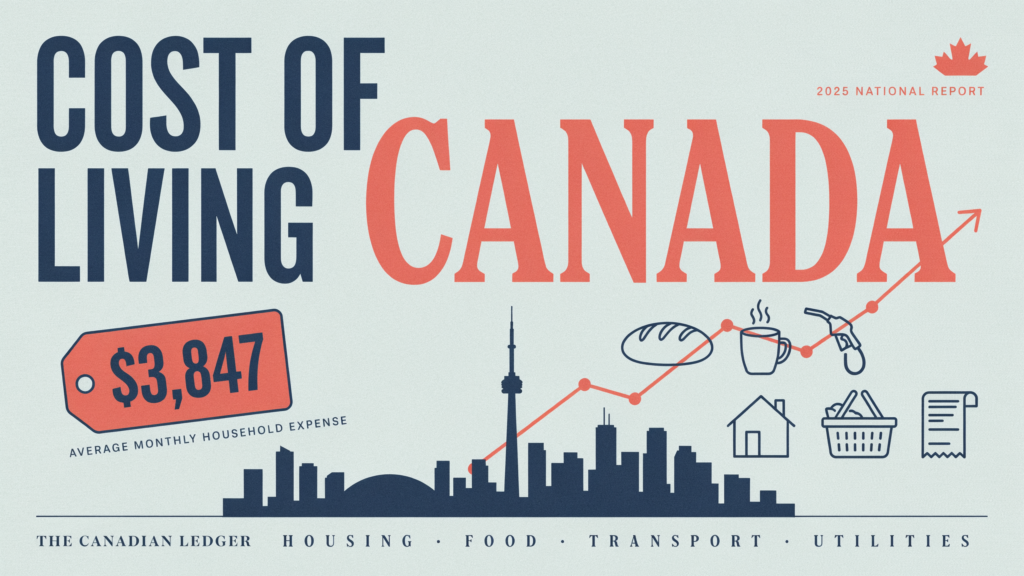
Canada is one of the most popular countries for students, immigrants, and professionals looking for a high quality of life, excellent healthcare, and strong career opportunities. However, before moving to Canada or planning a long-term stay, understanding the cost of living is essential.
The cost of living in Canada varies depending on the city, lifestyle, family size, and spending habits. Major cities like Toronto and Vancouver are significantly more expensive than smaller cities such as Winnipeg or Halifax. In this guide, we will break down the average living expenses in Canada, including housing, food, transportation, utilities, healthcare, and more.
Is Canada Expensive to Live In?
Canada is considered moderately expensive compared to many countries. While salaries are generally high, daily expenses can also add up quickly. The good news is that Canada offers excellent public services, a safe environment, and a strong economy, making the cost worthwhile for many residents.
For a single person, the average monthly cost of living in Canada can range from CAD 2,000 to CAD 4,000 depending on the location. Families usually spend much more due to larger housing and childcare costs.
Average Monthly Cost of Living in Canada
Here is an estimated breakdown of common monthly expenses in Canada:
- Rent: CAD 1,200–3,000
- Utilities: CAD 100–250
- Internet: CAD 60–120
- Groceries: CAD 300–800
- Transportation: CAD 80–250
- Health Insurance: CAD 50–150 (for newcomers or international students)
- Entertainment: CAD 100–400
The total monthly cost for a single person usually falls between CAD 2,000 and CAD 3,500.
Housing Costs in Canada
Housing is the biggest expense for most people living in Canada. Rental prices vary greatly between cities.
Average Rent Prices
Toronto
- One-bedroom apartment in city center: CAD 2,400–2,900
- One-bedroom outside center: CAD 1,900–2,300
Vancouver
- One-bedroom apartment in city center: CAD 2,500–3,000
- One-bedroom outside center: CAD 2,000–2,500
Montreal
- One-bedroom apartment in city center: CAD 1,400–1,900
- One-bedroom outside center: CAD 1,100–1,500
Calgary
- One-bedroom apartment in city center: CAD 1,500–2,000
- One-bedroom outside center: CAD 1,200–1,600
Smaller cities are usually much cheaper and may offer a better balance between salary and living expenses.
Utility Bills
Utility costs depend on apartment size, weather, and energy use. Winters in Canada can be extremely cold, which increases heating expenses.
Typical utility bills include:
- Electricity
- Heating
- Water
- Garbage collection
Average monthly utility costs:
- Small apartment: CAD 100–180
- Larger apartment or house: CAD 200–350
Internet services usually cost between CAD 60 and CAD 120 per month.
Grocery Costs in Canada
Food prices in Canada have increased in recent years, especially in larger cities. Grocery costs depend on dietary habits and household size.
Average Grocery Prices
- Milk (1 liter): CAD 2–3
- Bread: CAD 3–5
- Eggs (12): CAD 4–6
- Chicken (1 kg): CAD 12–18
- Rice (1 kg): CAD 4–7
- Apples (1 kg): CAD 4–6
A single person may spend around CAD 300–500 monthly on groceries, while a family could spend CAD 800–1,500.
Transportation Costs
Canada has reliable public transportation systems in major cities. Many residents use buses, trains, and subways daily.
Public Transportation
Monthly transit passes:
- Toronto: CAD 156
- Vancouver: CAD 100–190
- Montreal: CAD 97
Car Expenses
Owning a car in Canada can be expensive because of:
- Fuel
- Insurance
- Parking
- Maintenance
- Winter tires
Average monthly car-related costs can range from CAD 400 to CAD 1,000.
Healthcare Costs
Canada has a publicly funded healthcare system. Permanent residents and citizens usually receive free basic healthcare through provincial insurance plans.
However, newcomers and international students may need private health insurance temporarily.
Typical healthcare-related expenses:
- Private insurance: CAD 50–150 monthly
- Prescription medicines: Additional cost
- Dental care: Usually not covered
Many employers also provide extended health benefits.
Education Costs
Canada is known for its excellent education system, but tuition fees can be expensive for international students.
Average Tuition Fees
- Domestic students: CAD 6,000–10,000 annually
- International students: CAD 15,000–40,000 annually
Students also need to budget for:
- Accommodation
- Books
- Transportation
- Food
Cost of Living for Students in Canada
International students usually spend between CAD 1,500 and CAD 3,000 monthly depending on the city.
Typical student expenses:
- Shared accommodation
- Groceries
- Mobile plan
- Transportation
- Entertainment
Cities like Toronto and Vancouver are much more expensive for students than cities like Winnipeg or Saskatoon.
Cheapest Cities to Live in Canada
If affordability is your priority, these cities are often considered more budget-friendly:
- Winnipeg
- Halifax
- Edmonton
- Regina
- Saskatoon
- Quebec City
These cities generally offer lower rent and living expenses while still providing good job opportunities and quality of life.
Most Expensive Cities in Canada
The highest living costs are usually found in:
- Toronto
- Vancouver
- Victoria
Housing prices in these cities are among the highest in North America.
Salary Needed to Live Comfortably in Canada
The amount needed depends on lifestyle and location.
Estimated comfortable annual salaries:
- Single person: CAD 50,000–70,000
- Couple: CAD 80,000–120,000
- Family with children: CAD 100,000+
Higher salaries are usually necessary in Toronto and Vancouver.
Tips to Reduce Living Costs in Canada
Choose Affordable Cities
Living outside major downtown areas can significantly reduce rent.
Use Public Transportation
Avoiding car ownership can save thousands annually.
Buy Groceries in Bulk
Warehouse stores and discount supermarkets help reduce food costs.
Share Accommodation
Students and newcomers often share apartments to lower rent expenses.
Compare Internet and Mobile Plans
Prices vary widely between providers.
Is Canada Worth the Cost?
Despite the high living expenses, many people believe Canada offers excellent value because of:
- High quality healthcare
- Safety
- Strong economy
- Good work-life balance
- Beautiful natural scenery
- Diverse communities
Canada consistently ranks among the best countries in the world for quality of life.
Final Thoughts
The cost of living in Canada can be high, especially in major cities, but careful budgeting and choosing the right location can make life more affordable. Housing is typically the biggest expense, followed by groceries and transportation.
Whether you are a student, immigrant, or working professional, understanding your expected monthly expenses can help you plan better and enjoy a smoother transition to life in Canada.
Before moving, it is always a good idea to research specific cities, compare salaries, and create a realistic budget based on your lifestyle.

Hi, I’m Tanvir, the founder and author of Explore Ireland Now. With a deep love for Ireland and its rich culture, history, and landscapes, I created this site to share everything that makes this beautiful country worth exploring. Whether you’re a local looking for hidden gems or a traveler planning your next adventure, I provide insightful guides, tips, and recommendations to help you experience Ireland to the fullest.
From stunning landscapes to vibrant cities and quaint villages, Ireland is full of wonders waiting to be discovered. Through my personal experiences and research, I aim to bring you the most up-to-date information and inspiration for your journey.
Thank you for visiting Explore Ireland Now—I hope my content helps you uncover all that this incredible country has to offer! If you have any questions or need travel advice, feel free to reach out.