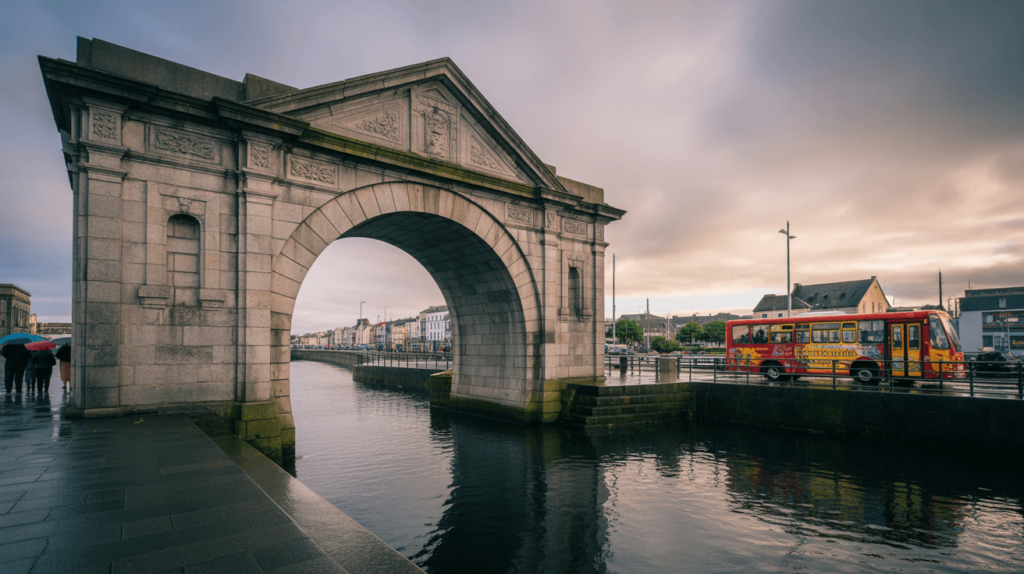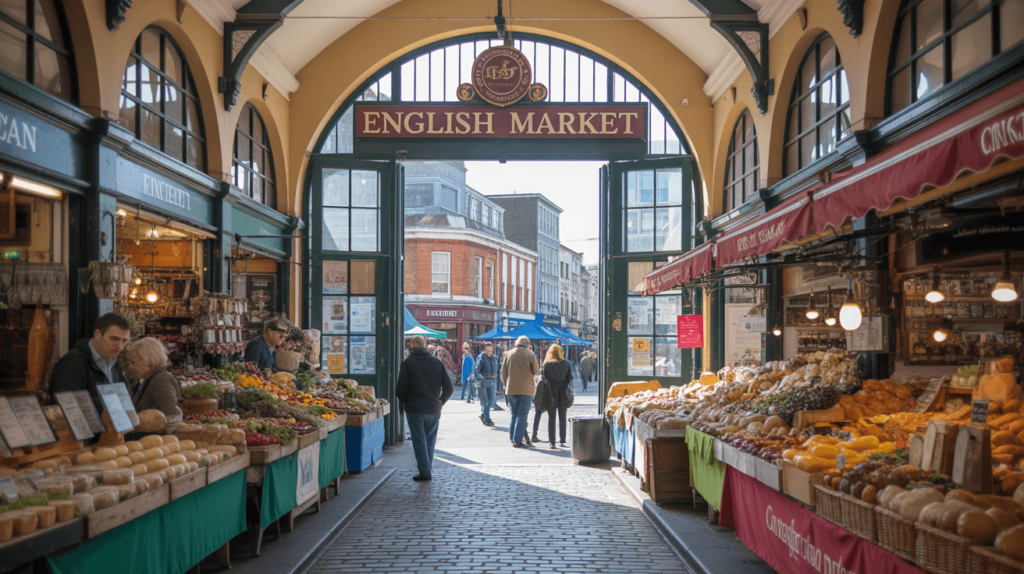

Nestled on Ireland’s rugged west coast in County Galway, Connemara is a land of wild beauty, unspoiled landscapes, and a culture deeply rooted in tradition. For many, it represents the Ireland of postcards and daydreams—rolling mountains, shimmering lakes, stone walls, and endless skies. Yet beyond its scenery, Connemara matters today because it embodies the balance between preserving natural heritage, supporting sustainable tourism, and maintaining Irish identity in a fast-changing world.
I first visited Connemara during a road trip from Galway, and the moment we passed into its sweeping valleys and coastlines, it felt like stepping into a different Ireland—one that was quieter, wilder, and deeply soulful. Whether you’re drawn to hiking, history, traditional music, or simply soaking in the breathtaking views, Connemara has something special to offer.
In this article, I’ll explore Connemara in depth: its highlights, history, landscapes, attractions, and practical travel tips—combining research-backed insights with personal experience.
Geography and Landscape: Nature’s Masterpiece
Connemara stretches across a wide swath of County Galway, bordered by the Atlantic Ocean and dotted with small fishing villages, mountain ranges, bogs, and lakes. The region is defined by its dramatic contrasts:
- The Twelve Bens (Na Beanna Beola): A compact mountain range beloved by hikers.
- Kylemore Lough and Pollacappul Lake: Tranquil lakes reflecting surrounding hills.
- The Boglands: Vast peatlands that have shaped local culture and economy for centuries.
- Atlantic Coastline: Rugged cliffs, sandy beaches, and stunning seascapes.
Connemara National Park, covering 2,000 hectares, protects much of this natural beauty, offering trails and viewpoints that highlight the region’s unique geology and biodiversity.
Historical and Cultural Significance
Connemara is not only about scenery—it’s a cultural heartland of Ireland.
The Gaeltacht Connection
Large parts of Connemara are designated Gaeltacht areas, meaning Irish (Gaeilge) is still spoken as a community language. This makes the region one of the best places to experience Ireland’s native tongue in daily life, from pub conversations to road signs.
Kylemore Abbey
Perhaps Connemara’s most iconic landmark, Kylemore Abbey was originally built as a 19th-century castle by Mitchell Henry for his wife. Later, it became a Benedictine monastery run by nuns fleeing Belgium during World War I. Today, it’s a major tourist attraction, complete with Victorian walled gardens and Gothic church.
The Great Famine Legacy
Like much of rural Ireland, Connemara was devastated by the Great Famine (1845–1849). Remnants of famine cottages and deserted villages still stand as solemn reminders of that era.
Top Attractions in Connemara
1. Connemara National Park
Home to the Twelve Bens and Diamond Hill, this park is a must-see for hikers and nature lovers. The Diamond Hill trail is particularly popular, offering sweeping views of Kylemore Abbey, the Atlantic Ocean, and surrounding mountains.
2. Kylemore Abbey and Victorian Walled Gardens
A blend of history, architecture, and natural beauty. The gardens are beautifully restored and give visitors a sense of Victorian life in rural Ireland.
3. Clifden: The Capital of Connemara
Clifden is a vibrant town, often considered the gateway to Connemara. It’s filled with traditional pubs, shops, and serves as a base for exploring the region. The Sky Road Drive, just outside Clifden, offers panoramic coastal views.
4. The Connemara Coastline
From secluded sandy beaches like Dog’s Bay and Gurteen Bay to rugged Atlantic headlands, the coastline is stunning. On a sunny day, the turquoise waters feel almost Mediterranean.
5. Killary Harbour
Ireland’s only true fjord, Killary Harbour, stretches 16 km between Galway and Mayo. Boat tours and kayaking are popular ways to explore its dramatic beauty.
6. Roundstone Village
A charming fishing village known for its artistic community and breathtaking views of the Atlantic and the Twelve Bens.
7. Leenane
This tiny village at the head of Killary Harbour is famous for its scenery and as the filming location for The Field starring Richard Harris.
Outdoor Activities in Connemara
Hiking and Walking
Connemara is a walker’s paradise. Trails range from short coastal strolls to challenging climbs. Popular routes include:
- Diamond Hill Trail (moderate, 7 km loop)
- The Western Way (long-distance walking trail)
- Twelve Bens Challenge (for seasoned hikers)
Water Activities
With its fjord, lakes, and Atlantic coastline, Connemara is perfect for kayaking, fishing, and sailing. Killary Adventure Centre offers water sports and outdoor pursuits for all ages.
Cycling
Cyclists love Connemara for its quiet roads and jaw-dropping views. The annual Tour de Conamara draws hundreds of participants.
Horse Riding
Connemara ponies, native to the region, are famous worldwide. Riding along beaches or mountain trails on one of these hardy ponies is a quintessential experience.
Wildlife and Natural Heritage
Connemara’s landscapes support unique flora and fauna:
- Birds: Peregrine falcons, choughs, and seabirds thrive here.
- Mammals: Otters, seals, and red deer can be spotted.
- Flora: Blanket bogs support rare plants like sundews and bog cotton.
Connemara National Park and coastal areas are part of Natura 2000 protected sites, ensuring conservation of biodiversity.
Food and Drink in Connemara
Seafood
Fresh fish, oysters, mussels, and crab dominate local menus. Killary Harbour is famous for its mussel farming.
Traditional Irish Fare
Many pubs in Clifden, Roundstone, and Leenane serve hearty Irish stews, soda bread, and Connemara lamb.
Whiskey and Pubs
The traditional pub culture thrives here, often with live Irish music sessions. Sampling a local whiskey or a pint of Guinness while listening to fiddles and bodhráns is an unforgettable experience.
Practical Travel Tips for Connemara
Best Time to Visit
- Spring (April–June): Mild weather, fewer crowds, blooming landscapes.
- Summer (July–August): Warmest but busiest season.
- Autumn (September–October): Great for photography with golden bog landscapes.
- Winter (November–March): Quieter, with limited daylight and some closures.
Getting There
- By Car: The easiest way; Connemara is about 1.5–2 hours from Galway City.
- By Bus: Citylink and other operators run services from Galway.
- By Train: No direct train, but trains go to Galway, then connect with buses.
Accommodation
Options range from cozy B&Bs to luxury hotels like Ballynahinch Castle. Wild camping is possible but restricted in some areas, so check guidelines.
Language
While English is widely spoken, learning a few words of Irish (like Go raibh maith agat – thank you) is appreciated.
Packing Tips
- Waterproof jacket and sturdy shoes are essential due to changeable weather.
- Layers for warmth, even in summer.
- Camera for capturing landscapes.
Common Questions About Connemara
1. Is Connemara worth visiting if I’m short on time?
Yes. Even a day trip from Galway gives you a taste, especially with stops at Kylemore Abbey and Clifden.
2. How many days should I spend in Connemara?
Ideally, 2–4 days to fully enjoy hiking, coastal drives, and villages.
3. Is Connemara family-friendly?
Absolutely. Many outdoor activities and attractions, like Connemara National Park, are suitable for children.
4. Do I need a car to explore Connemara?
Highly recommended, though buses connect main towns. Driving allows access to remote areas.
Personal Reflections: Why Connemara Stays With You
When I think of Connemara, I remember sitting on a cliff overlooking Dog’s Bay, watching the waves crash while ponies grazed nearby. It felt timeless—like Ireland in its purest form. Unlike Dublin or Cork, where modern life is ever-present, Connemara’s charm lies in its slowness, its connection to the land, and its authenticity.
Conclusion: The Soul of the West
Connemara isn’t just a destination—it’s an experience of Ireland’s untamed soul. From the dramatic Twelve Bens to the calm of Kylemore Abbey, from the vibrancy of Clifden to the quietness of a coastal walk, Connemara offers travelers both adventure and peace.
If you’re planning a trip to Ireland, Connemara deserves a place high on your list. Take your time, wander the trails, savor the seafood, and let the wild landscape remind you of the simple beauty of nature.
Have questions about planning your own Connemara trip? Feel free to ask—I’d be happy to help guide your journey.

Hi, I’m Tanvir, the founder and author of Explore Ireland Now. With a deep love for Ireland and its rich culture, history, and landscapes, I created this site to share everything that makes this beautiful country worth exploring. Whether you’re a local looking for hidden gems or a traveler planning your next adventure, I provide insightful guides, tips, and recommendations to help you experience Ireland to the fullest.
From stunning landscapes to vibrant cities and quaint villages, Ireland is full of wonders waiting to be discovered. Through my personal experiences and research, I aim to bring you the most up-to-date information and inspiration for your journey.
Thank you for visiting Explore Ireland Now—I hope my content helps you uncover all that this incredible country has to offer! If you have any questions or need travel advice, feel free to reach out.