
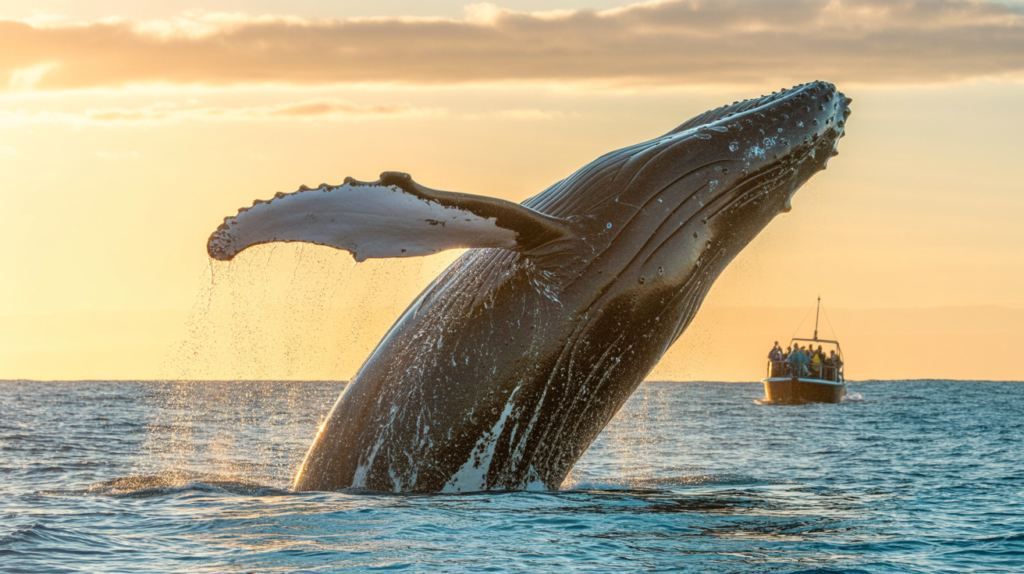
Whale watching is one of the most unforgettable wildlife experiences in the world. Watching a massive whale emerge from the ocean, spray water through its blowhole, or leap into the air is a moment that stays with you forever. Whether you are traveling along a rugged coastline, boarding a dedicated whale-watching tour, or spotting whales from shore, this activity offers a unique opportunity to connect with nature and learn about some of the largest animals on Earth.
In this comprehensive guide, you’ll discover everything you need to know about whale watching, including the best destinations, whale species, ideal seasons, safety tips, and how to make the most of your adventure.
Whale Watching
What Is Whale Watching?
Whale watching is the practice of observing whales and other marine mammals in their natural habitat. It can be done from boats, coastal viewpoints, cliffs, beaches, and even kayaks in certain locations. The activity has grown into a popular form of eco-tourism that helps people appreciate marine wildlife while supporting conservation efforts.
Unlike visiting animals in captivity, whale watching allows you to see these magnificent creatures behaving naturally as they migrate, feed, socialize, and care for their young.
Why Whale Watching Is So Popular
Millions of people participate in whale-watching tours every year, and it’s easy to understand why.
Incredible Wildlife Encounters
Whales are among the most impressive animals on the planet. Some species can grow longer than a school bus and weigh more than 150 tons.
Educational Experience
Many whale-watching operators provide expert guides who explain whale behavior, migration patterns, and conservation efforts.
Memorable Family Activity
Whale watching appeals to people of all ages. Children and adults alike are fascinated by seeing whales in the wild.
Connection With Nature
Being on the ocean and observing marine life creates a deeper appreciation for the natural world.
Types of Whales You May See
Different regions attract different whale species. Here are some of the most commonly spotted whales.
Humpback Whale
Humpback whales are among the most popular whales for watchers because of their spectacular breaches and acrobatic behavior.
Key Features:
- Long pectoral fins
- Distinctive hump-shaped back
- Complex songs
- Frequent breaching
Blue Whale
The blue whale is the largest animal ever known to have lived on Earth.
Key Features:
- Can exceed 100 feet in length
- Massive water spouts
- Blue-gray coloration
- Usually seen feeding in nutrient-rich waters
Orca (Killer Whale)
Although technically a member of the dolphin family, orcas are commonly included in whale-watching experiences.
Key Features:
- Distinct black-and-white coloring
- Highly social behavior
- Intelligent hunters
- Often travel in family groups called pods
Gray Whale
Gray whales are famous for their long migrations between feeding and breeding grounds.
Key Features:
- Mottled gray appearance
- Coastal migration routes
- Curious behavior around boats
Minke Whale
Minke whales are smaller than many other whale species but are frequently spotted in various parts of the world.
Fin Whale
Second only to the blue whale in size, fin whales are known for their speed and streamlined bodies.
Best Places in the World for Whale Watching
Iceland
Iceland is one of the world’s premier whale-watching destinations.
Popular species include:
- Humpback whales
- Minke whales
- Blue whales
- Orcas
The waters surrounding Iceland are rich in nutrients, attracting numerous marine species.
Alaska
Alaska offers spectacular whale-watching opportunities during the summer months.
Highlights include:
- Humpback whale feeding grounds
- Orca sightings
- Scenic glaciers and fjords
Canada
The coastlines of British Columbia and eastern Canada are excellent locations for whale watching.
Visitors often see:
- Orcas
- Humpback whales
- Gray whales
- Fin whales
Norway
Norway is especially famous for winter orca and humpback whale encounters.
New Zealand
The waters around New Zealand support year-round whale-watching opportunities, including sperm whales and humpbacks.
Australia
Australia’s extensive coastline provides excellent viewing opportunities during migration seasons.
Popular areas include:
- Hervey Bay
- Sydney
- Western Australia
South Africa
South Africa is known for exceptional shore-based whale watching.
Visitors frequently spot southern right whales close to the coastline.
California
California’s Pacific coast hosts several whale migrations each year.
Common sightings include:
- Gray whales
- Humpback whales
- Blue whales
- Orcas
Best Time for Whale Watching
The ideal time depends on the location and species you want to see.
Spring
Many whale species begin migration during spring, making it an excellent time for sightings.
Summer
Summer often offers calm seas and abundant feeding activity.
Autumn
Some regions experience southbound whale migrations during autumn.
Winter
Winter is prime whale-watching season in several destinations where whales gather for breeding and calving.
Before planning your trip, research local migration schedules for your chosen destination.
What Happens on a Whale-Watching Tour?
A typical whale-watching tour follows a structured but exciting schedule.
Departure
Passengers board a vessel and receive safety instructions.
Search Phase
The crew scans the ocean for signs of whale activity, such as:
- Water spouts
- Tail flukes
- Breaching behavior
- Bird activity
Observation
Once whales are located, the vessel approaches carefully while following wildlife protection guidelines.
Educational Commentary
Naturalists or marine biologists often provide information about whale species and behaviors.
Return Journey
The tour returns to shore after several hours of exploration.
What to Bring Whale Watching
Preparation can greatly improve your experience.
Warm Clothing
Even during summer, ocean temperatures can feel cool.
Waterproof Jacket
Weather conditions can change quickly on the water.
Sunscreen
Sun exposure is often stronger on open water due to reflection.
Camera
A camera with a zoom lens can help capture memorable wildlife encounters.
Binoculars
Binoculars make it easier to spot distant whales.
Motion Sickness Medication
If you are prone to seasickness, consider taking medication before departure.
Water and Snacks
Staying hydrated and energized is important during longer tours.
Whale Behaviors You Might Witness
Breaching
Breaching occurs when a whale launches most of its body out of the water before splashing back down.
Tail Slapping
A whale may repeatedly slap its tail against the ocean surface.
Spyhopping
This behavior involves a whale raising its head vertically above the water to observe its surroundings.
Bubble-Net Feeding
Some humpback whales cooperate to trap fish using circles of bubbles.
Social Interaction
Whales often communicate and interact with other members of their group.
Shore-Based Whale Watching
Not all whale watching requires a boat.
Many destinations offer excellent land-based viewing opportunities from:
- Coastal cliffs
- Observation platforms
- Beaches
- Headlands
- Lighthouse viewpoints
Advantages include:
- Lower cost
- No seasickness
- Easier photography setup
- Environmentally friendly option
Whale Watching and Conservation
Responsible whale watching plays an important role in marine conservation.
Supporting Research
Many operators contribute data to scientific studies.
Raising Awareness
Visitors learn about threats facing whales, including:
- Plastic pollution
- Climate change
- Ship strikes
- Entanglement in fishing gear
- Ocean noise pollution
Economic Benefits
Whale-watching tourism provides economic incentives for communities to protect marine ecosystems.
Responsible Whale-Watching Practices
To protect whales and ensure sustainable tourism, operators and visitors should follow best practices.
Maintain Safe Distances
Boats should never crowd or chase whales.
Limit Observation Time
Reducing prolonged interactions helps minimize stress on animals.
Avoid Loud Noises
Noise pollution can interfere with whale communication.
Choose Eco-Friendly Operators
Look for companies committed to conservation and responsible wildlife viewing.
Photography Tips for Whale Watching
Use Continuous Shooting Mode
Whale behavior can be unpredictable.
Keep the Horizon Level
A level horizon creates more professional-looking images.
Focus on Behavior
Capturing a breach or tail slap often results in dramatic photographs.
Be Patient
Wildlife photography requires patience and observation.
Protect Equipment
Saltwater spray can damage cameras and lenses.
Common Challenges During Whale Watching
No Guaranteed Sightings
Whales are wild animals, and sightings can never be guaranteed.
Weather Conditions
Poor weather may affect visibility and sea conditions.
Seasickness
Some people experience discomfort on rough waters.
Distance From Animals
Responsible operators maintain safe distances, which may limit close-up views.
Benefits of Whale Watching
Whale watching provides numerous benefits:
- Encourages wildlife conservation
- Supports local economies
- Promotes environmental education
- Creates lifelong memories
- Inspires appreciation for marine ecosystems
Interesting Whale Facts
- Blue whales are the largest animals ever known to exist.
- Humpback whale songs can travel vast distances underwater.
- Some whale migrations cover thousands of miles each year.
- Orcas have unique hunting techniques passed down through generations.
- Certain whale species can hold their breath for more than an hour.
Frequently Asked Questions
Is whale watching safe?
Yes, whale watching is generally safe when conducted by licensed and experienced operators who follow marine wildlife regulations.
Can children go whale watching?
Most whale-watching tours welcome children, though age restrictions may vary by operator.
What is the best weather for whale watching?
Clear skies and calm seas typically provide the best viewing conditions.
Are whales dangerous to humans?
Whales are generally not aggressive toward humans. Responsible tour operators maintain safe viewing distances.
How long do whale-watching tours last?
Most tours last between two and five hours, depending on the location and operator.
Final Thoughts
Whale watching offers an extraordinary opportunity to witness some of the most magnificent creatures on Earth in their natural environment. From the awe-inspiring breach of a humpback whale to the enormous size of a blue whale, every encounter creates memories that can last a lifetime.
Whether you’re planning a dedicated wildlife vacation or simply looking for a unique outdoor adventure, whale watching combines excitement, education, and conservation in a way few experiences can match. By choosing responsible operators and respecting marine wildlife, you can enjoy an unforgettable journey while helping protect these remarkable giants of the sea for future generations.

Hi, I’m Tanvir, the founder and author of Explore Ireland Now. With a deep love for Ireland and its rich culture, history, and landscapes, I created this site to share everything that makes this beautiful country worth exploring. Whether you’re a local looking for hidden gems or a traveler planning your next adventure, I provide insightful guides, tips, and recommendations to help you experience Ireland to the fullest.
From stunning landscapes to vibrant cities and quaint villages, Ireland is full of wonders waiting to be discovered. Through my personal experiences and research, I aim to bring you the most up-to-date information and inspiration for your journey.
Thank you for visiting Explore Ireland Now—I hope my content helps you uncover all that this incredible country has to offer! If you have any questions or need travel advice, feel free to reach out.