Iceland is a land of dramatic landscapes, where volcanoes, glaciers, waterfalls, lava fields, and geothermal wonders create some of the most breathtaking scenery on Earth. To protect these unique natural treasures, Iceland has established several national parks that preserve the country’s geological, ecological, and cultural heritage. Whether you are planning a road trip around the island or seeking unforgettable hiking adventures, Iceland’s national parks offer some of the most rewarding experiences for visitors.
In this guide, you’ll discover everything you need to know about the national parks in Iceland, including their history, attractions, activities, and tips for planning your visit.
Overview of National Parks in Iceland
Iceland currently has three national parks:
- Þingvellir National Park
- Vatnajökull National Park
- Snæfellsjökull National Park
Together, these parks protect vast areas of wilderness, glaciers, volcanic landscapes, coastal cliffs, and historically significant sites. Each park offers a distinct experience, showcasing different aspects of Iceland’s remarkable natural environment.
Why Iceland’s National Parks Are Unique
Unlike many national parks around the world, Iceland’s protected areas are shaped by ongoing geological activity. The country sits on the boundary between the North American and Eurasian tectonic plates, creating a landscape that is constantly evolving.
Visitors can experience:
- Active volcanic regions
- Massive glaciers
- Lava fields
- Geothermal springs
- Waterfalls and rivers
- Coastal cliffs and wildlife habitats
- Historic cultural landmarks
This combination of natural beauty and geological significance makes Iceland one of the most fascinating destinations for outdoor enthusiasts.
Þingvellir National Park
Introduction
Þingvellir National Park is one of Iceland’s most important historical and geological sites. Located about 45 kilometers (28 miles) northeast of Reykjavik, it is part of the famous Golden Circle tourist route.
The park was established in 1930 and became a UNESCO World Heritage Site in 2004 due to its cultural significance.
Historical Importance
Þingvellir was the location of Iceland’s first parliament, the Althing, founded in 930 AD. It served as the political and legal center of Iceland for centuries.
Visitors can explore the area where lawmakers and chieftains gathered to discuss national matters and resolve disputes.
Geological Significance
The park sits directly on the Mid-Atlantic Ridge, where the North American and Eurasian tectonic plates are slowly drifting apart.
One of the most famous locations is the rift valley, where visitors can literally walk between two continents.
Top Attractions
Silfra Fissure
Silfra is a crystal-clear underwater fissure known for its exceptional visibility. It is one of the world’s most famous snorkeling and diving destinations.
Almannagjá Gorge
This dramatic canyon marks the edge of the North American tectonic plate and offers excellent walking trails.
Öxarárfoss Waterfall
A beautiful waterfall accessible by an easy hike, making it a favorite stop for visitors.
Activities
- Hiking
- Snorkeling
- Scuba diving
- Photography
- Sightseeing
- Historical exploration
Vatnajökull National Park
Introduction
Vatnajökull National Park is the largest national park in Iceland and one of the largest in Europe. Established in 2008, it covers approximately 14% of Iceland’s land area.
The park is named after the Vatnajökull glacier, Europe’s largest glacier by volume.
Vast and Diverse Landscapes
Vatnajökull National Park contains:
- Glaciers
- Volcanoes
- Ice caves
- Waterfalls
- Black sand plains
- Mountain ranges
- River systems
The diversity of landscapes makes it a paradise for adventure seekers.
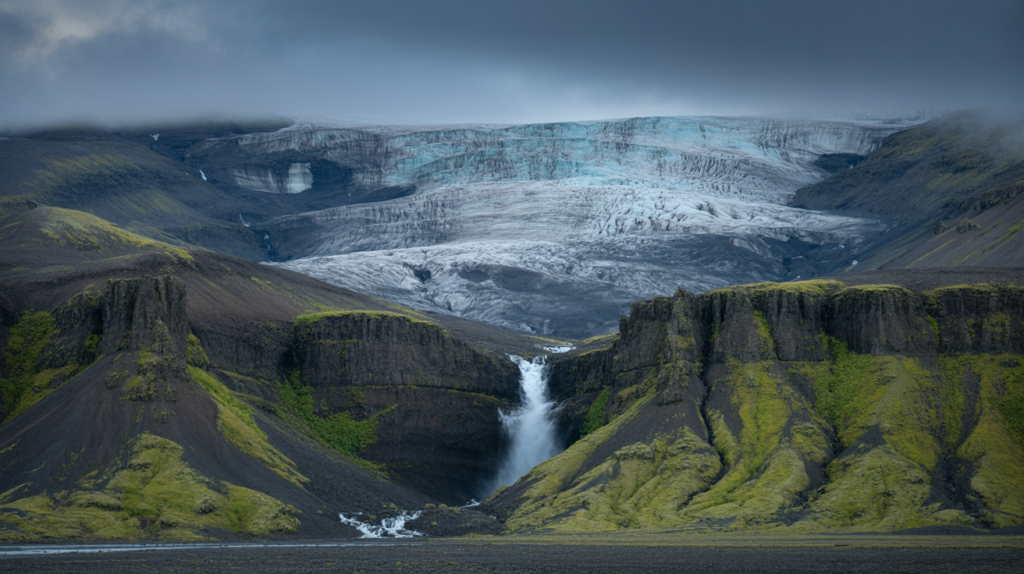
Vatnajökull Glacier
The glacier itself covers roughly 8% of Iceland’s landmass and contains numerous outlet glaciers extending into surrounding valleys.
Popular Attractions
Jökulsárlón Glacier Lagoon
One of Iceland’s most iconic destinations, where floating icebergs drift through a stunning lagoon before reaching the ocean.
Diamond Beach
Located near Jökulsárlón, this beach is famous for ice chunks that wash ashore and sparkle like diamonds against black volcanic sand.
Skaftafell Nature Reserve
Formerly a separate national park, Skaftafell is now part of Vatnajökull National Park.
It features:
- Scenic hiking trails
- Glacier viewpoints
- Waterfalls
- Mountain landscapes
Svartifoss Waterfall
This striking waterfall is surrounded by dark basalt columns that inspired Icelandic architecture.
Ice Caves
During winter, naturally formed ice caves become accessible through guided tours. Their vivid blue ice creates an unforgettable experience.
Wildlife
Visitors may encounter:
- Arctic foxes
- Reindeer
- Seals
- Various seabirds
Activities
- Glacier hiking
- Ice cave tours
- Photography
- Hiking
- Wildlife watching
- Mountain climbing
Snæfellsjökull National Park
Introduction
Located on the Snæfellsnes Peninsula in western Iceland, Snæfellsjökull National Park was established in 2001.
The park is centered around the famous Snæfellsjökull glacier-capped volcano.
Literary Connection
Snæfellsjökull gained worldwide fame through Jules Verne’s classic novel, Journey to the Center of the Earth, where the volcano serves as the entrance to an underground world.
Main Attractions
Snæfellsjökull Volcano
The glacier-covered volcano dominates the landscape and can often be seen from Reykjavik on clear days.
Djúpalónssandur Beach
A beautiful black pebble beach known for its dramatic rock formations and shipwreck remnants.
Lóndrangar Basalt Cliffs
These towering volcanic pinnacles rise from the coastline and provide excellent opportunities for birdwatching.
Saxhóll Crater
Visitors can climb a staircase to the top of this volcanic crater for panoramic views.
Wildlife
The park is home to:
- Seabirds
- Arctic foxes
- Marine wildlife
- Migratory bird species
Activities
- Hiking
- Birdwatching
- Coastal exploration
- Photography
- Volcano sightseeing
Best Time to Visit Iceland’s National Parks
Summer (June–August)
Advantages:
- Mild weather
- Long daylight hours
- Accessible hiking trails
- Easier driving conditions
Best for:
- Hiking
- Camping
- Road trips
Autumn (September–October)
Advantages:
- Fewer tourists
- Beautiful fall colors
- Possible Northern Lights sightings
Winter (November–March)
Advantages:
- Ice caves
- Snow-covered landscapes
- Northern Lights
Challenges:
- Limited daylight
- Variable weather conditions
Spring (April–May)
Advantages:
- Fewer crowds
- Emerging wildlife
- Increasing daylight hours
Hiking Opportunities
Iceland’s national parks offer trails for every skill level.
Easy Hikes
- Öxarárfoss Trail
- Saxhóll Crater Trail
- Jökulsárlón viewing paths
Moderate Hikes
- Svartifoss Trail
- Skaftafell trails
- Coastal trails in Snæfellsjökull
Challenging Hikes
- Glacier treks
- Multi-day wilderness routes
- Mountain ascents
Always check weather forecasts before starting any hike.
Wildlife You May See
Although Iceland has fewer land mammals than many countries, visitors can still encounter fascinating wildlife.
Common sightings include:
- Arctic foxes
- Reindeer
- Seals
- Puffins
- Arctic terns
- Guillemots
- Various seabirds
Birdwatching is particularly rewarding during the summer months.
Photography Tips
Iceland’s national parks are a dream destination for photographers.
Best subjects include:
- Waterfalls
- Glaciers
- Icebergs
- Volcanic landscapes
- Wildlife
- Northern Lights
Useful tips:
- Bring a tripod
- Pack waterproof gear
- Use wide-angle lenses for landscapes
- Visit popular locations early or late in the day
Safety Considerations
Iceland’s landscapes are beautiful but can be unpredictable.
Important safety tips:
- Stay on marked trails
- Respect warning signs
- Check weather conditions regularly
- Wear waterproof clothing
- Inform others about hiking plans
- Avoid approaching glacier edges
Weather can change rapidly, even during summer.
Sustainable Tourism in Iceland
Iceland places strong emphasis on environmental protection.
Visitors should follow the principles of responsible travel:
- Leave no trace
- Stay on designated paths
- Avoid disturbing wildlife
- Take all litter with you
- Respect local regulations
These practices help preserve Iceland’s fragile ecosystems for future generations.
How to Get Around
Most visitors explore Iceland’s national parks by rental car.
Popular routes include:
Golden Circle Route
Includes:
- Þingvellir National Park
- Geysir geothermal area
- Gullfoss waterfall
Ring Road Adventure
Provides access to many areas of Vatnajökull National Park and other major attractions around the country.
Snæfellsnes Peninsula Drive
Offers convenient access to Snæfellsjökull National Park and surrounding coastal attractions.
Final Thoughts
The national parks in Iceland showcase the country’s extraordinary natural diversity, from tectonic rift valleys and ancient parliamentary grounds to immense glaciers and volcanic coastlines. Whether you’re walking between continents in Þingvellir, exploring ice caves in Vatnajökull, or admiring the glacier-capped volcano of Snæfellsjökull, each park offers unforgettable experiences that highlight Iceland’s unique character.
For nature lovers, photographers, hikers, and adventure travelers, Iceland’s national parks represent some of the most spectacular protected landscapes anywhere in the world. A visit to these remarkable destinations provides a deeper appreciation of the powerful geological forces and pristine environments that make Iceland truly one of a kind.

Hi, I’m Tanvir, the founder and author of Explore Ireland Now. With a deep love for Ireland and its rich culture, history, and landscapes, I created this site to share everything that makes this beautiful country worth exploring. Whether you’re a local looking for hidden gems or a traveler planning your next adventure, I provide insightful guides, tips, and recommendations to help you experience Ireland to the fullest.
From stunning landscapes to vibrant cities and quaint villages, Ireland is full of wonders waiting to be discovered. Through my personal experiences and research, I aim to bring you the most up-to-date information and inspiration for your journey.
Thank you for visiting Explore Ireland Now—I hope my content helps you uncover all that this incredible country has to offer! If you have any questions or need travel advice, feel free to reach out.