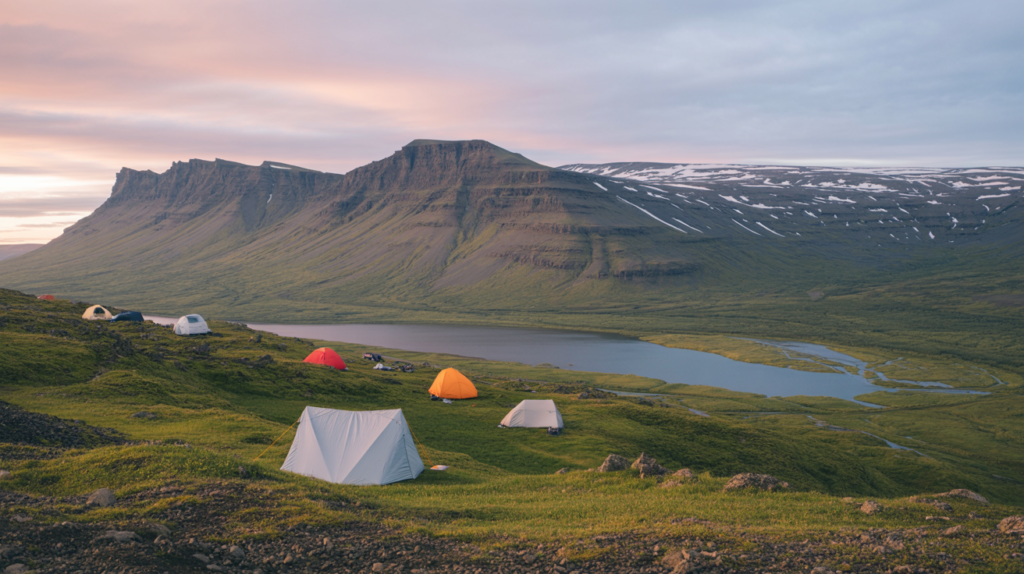
Iceland is one of the world’s most spectacular camping destinations. With its dramatic waterfalls, volcanic landscapes, black sand beaches, glaciers, geothermal hot springs, and endless summer daylight, camping offers an affordable and immersive way to experience the country’s natural beauty.
Whether you’re planning a road trip along the Ring Road, exploring the Golden Circle, or venturing into the remote Highlands, this camping guide will help you prepare for a safe, enjoyable, and memorable camping experience in Iceland.
Why Camp in Iceland?
Camping is one of the best ways to explore Iceland because it allows you to stay close to nature while keeping travel costs manageable.
Some benefits of camping in Iceland include:
- Lower accommodation costs compared to hotels
- Access to stunning natural locations
- Flexibility to change your itinerary
- Opportunity to experience Iceland’s unique landscapes up close
- Availability of campsites throughout the country
Many travelers choose camping to fully embrace Iceland’s outdoor culture and maximize their time exploring the country’s incredible scenery.
Is Camping in Iceland Legal?
Camping is legal in designated campsites throughout Iceland. While Iceland once allowed more widespread wild camping, regulations have become stricter due to increased tourism.
Today:
- Tents should generally be pitched at registered campsites.
- Camping on private property requires permission from the landowner.
- Campervans and motorhomes must stay in approved camping areas.
- Camping in protected natural reserves often has special restrictions.
Always follow local regulations and respect the environment.
Best Time to Go Camping in Iceland
Summer (June to August)
Summer is the most popular camping season.
Advantages include:
- Mild temperatures
- Nearly 24 hours of daylight
- Open roads and attractions
- Easier driving conditions
Average temperatures range from 10°C to 15°C (50°F to 59°F), though warmer days are possible.
Spring (May)
Spring offers:
- Fewer tourists
- Lower campsite occupancy
- Blooming landscapes
However, weather conditions can still be unpredictable.
Autumn (September)
September is ideal for:
- Smaller crowds
- Colorful scenery
- Potential Northern Lights sightings
Some campsites begin closing toward the end of the month.
Winter (October to April)
Camping during winter is challenging due to:
- Freezing temperatures
- Strong winds
- Snowstorms
- Limited campsite availability
Only experienced winter campers should consider camping during this period.
Weather Conditions You Should Expect
One of the most important things to understand about Iceland is that the weather can change rapidly.
You may experience:
- Sunshine
- Rain
- Wind
- Fog
- Hail
All within the same day.
Always prepare for:
- Strong winds
- Sudden temperature drops
- Wet conditions
Layered clothing and waterproof gear are essential.
Essential Camping Gear for Iceland
Packing the right equipment can make a huge difference.
Shelter
Choose a tent that is:
- Waterproof
- Wind-resistant
- Designed for four-season or three-season use
Strong tent stakes are especially important because Iceland can be extremely windy.
Sleeping Equipment
Bring:
- A sleeping bag rated for low temperatures
- Sleeping pad or insulated mattress
- Compact travel pillow
Even during summer, nighttime temperatures can become chilly.
Clothing
Pack:
- Waterproof jacket
- Waterproof pants
- Thermal base layers
- Fleece or insulated jacket
- Hiking boots
- Warm hat
- Gloves
- Extra socks
The layering system works best in Iceland’s changing climate.
Cooking Equipment
Many campsites provide cooking facilities, but it is useful to carry:
- Portable camping stove
- Fuel canisters
- Cooking utensils
- Lightweight cookware
- Reusable water bottles
Iceland’s tap water is among the cleanest in the world, so bottled water is usually unnecessary.
Types of Campsites in Iceland
Public Campsites
Public campsites are common and often include:
- Toilets
- Showers
- Picnic areas
- Waste disposal facilities
These are suitable for most travelers.
Private Campsites
Private campsites may offer:
- Better facilities
- Laundry services
- Kitchen areas
- Wi-Fi access
They are often located near popular tourist attractions.
Highland Campsites
Highland campsites are found in remote interior regions.
Facilities can be basic, and weather conditions are more challenging.
Travelers should be self-sufficient when camping in these areas.
Campervan Camping in Iceland
Campervans have become extremely popular among visitors.
Benefits include:
- Transportation and accommodation combined
- Protection from weather
- Convenient storage
- Greater flexibility
Many travelers complete the Ring Road using campervans.
Remember that overnight parking outside designated camping areas is generally prohibited.
Best Camping Areas in Iceland
Thingvellir National Park
A favorite destination due to:
- Historic significance
- Beautiful landscapes
- Excellent hiking opportunities
Campers can enjoy views of lava fields and rift valleys.
Skaftafell
Located within Vatnajökull National Park, Skaftafell offers:
- Glacier views
- Hiking trails
- Waterfalls
- Mountain scenery
It is one of Iceland’s most scenic camping locations.
Vik
Known for:
- Black sand beaches
- Sea stacks
- Dramatic coastal scenery
The campsite provides a great base for exploring southern Iceland.
Myvatn
The Lake Myvatn region features:
- Geothermal activity
- Volcanic landscapes
- Rich birdlife
It is one of North Iceland’s top camping destinations.
Landmannalaugar
Famous for:
- Colorful rhyolite mountains
- Hot springs
- Incredible hiking trails
This Highland destination is often considered one of Iceland’s best camping experiences.
Camping Along Iceland’s Ring Road
The Ring Road circles the entire country and connects many major attractions.
Camping along the Ring Road offers easy access to:
- Waterfalls
- Glaciers
- Volcanoes
- Coastal cliffs
- Fishing villages
Most travelers spend between 7 and 14 days completing the route.
Because campsites are widely available, planning a Ring Road camping trip is relatively straightforward.
Costs of Camping in Iceland
Camping is more affordable than hotels but still requires budgeting.
Typical expenses include:
| Expense | Estimated Cost |
|---|---|
| Campsite Fee | €10–€25 per person |
| Shower Fee | €1–€5 |
| Campervan Rental | €80–€250+ per day |
| Fuel | Varies by route |
| Food | Moderate to high |
Booking transportation and rentals early can help reduce costs.
Food and Cooking While Camping
Food prices in Iceland can be expensive.
Many campers save money by shopping at supermarkets and preparing their own meals.
Popular grocery stores include:
- Bonus
- Kronan
- Netto
Good camping meal ideas include:
- Pasta dishes
- Soups
- Sandwiches
- Oatmeal
- Rice-based meals
Planning meals ahead can significantly reduce expenses.
Safety Tips for Camping in Iceland
Monitor Weather Forecasts
Weather conditions can become dangerous quickly.
Check forecasts regularly before traveling or hiking.
Secure Your Tent Properly
Strong winds are common.
Always:
- Use all guy lines
- Anchor stakes firmly
- Choose sheltered camping spots when possible
Stay on Marked Paths
Protect fragile ecosystems by remaining on designated trails.
Respect Warning Signs
Never ignore warnings regarding:
- Rivers
- Beaches
- Volcanic activity
- Weather conditions
Safety notices exist for a reason.
Leave No Trace Principles
Iceland’s natural beauty depends on responsible visitors.
Follow these principles:
- Pack out all trash
- Avoid damaging vegetation
- Use designated toilets
- Respect wildlife
- Stay on marked trails
- Minimize campfire impacts
Many campsites prohibit open fires due to environmental concerns.
Northern Lights Camping
Camping can be an excellent way to see the Northern Lights.
The best period is typically:
- Late September through March
For optimal viewing:
- Stay away from city lights
- Check aurora forecasts
- Choose clear nights
Seeing the Northern Lights from your campsite can be one of the most memorable experiences in Iceland.
Common Mistakes First-Time Campers Make
Avoid these frequent errors:
- Underestimating the weather.
- Bringing a weak tent.
- Packing insufficient warm clothing.
- Ignoring campsite rules.
- Failing to reserve campervans early.
- Driving into the Highlands without proper preparation.
- Not budgeting for fuel and food costs.
Proper planning helps prevent unnecessary challenges.
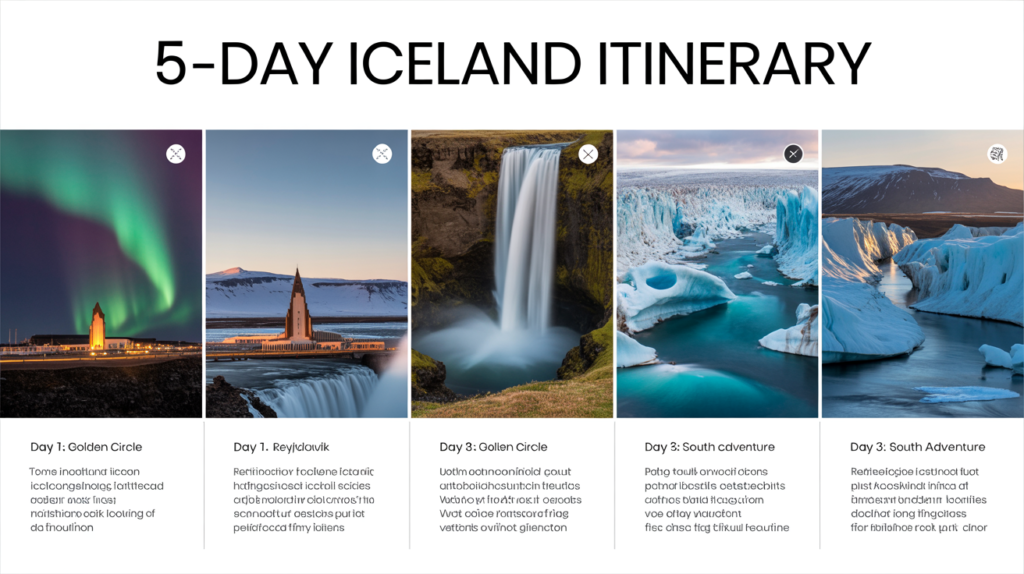
Sample 7-Day Camping Itinerary
Day 1
- Arrive in Reykjavik
- Explore the city
- Camp nearby
Day 2
- Golden Circle
- Camp at Thingvellir
Day 3
- South Coast waterfalls
- Camp near Vik
Day 4
- Skaftafell and glacier views
- Overnight camping
Day 5
- East Fjords
- Coastal camping
Day 6
- Lake Myvatn region
- Geothermal exploration
Day 7
- Return toward Reykjavik
- Final sightseeing stops
This route covers many of Iceland’s most iconic attractions.
Final Thoughts
Camping in Iceland is one of the most rewarding ways to explore the country. From glacier-covered mountains and volcanic deserts to stunning waterfalls and geothermal wonders, every day brings new adventures. With proper preparation, quality gear, and respect for Iceland’s environment, you’ll enjoy an unforgettable outdoor experience while discovering some of the most breathtaking landscapes on Earth.
Whether you choose a tent, campervan, or Highland expedition setup, Iceland offers endless opportunities for campers seeking freedom, adventure, and extraordinary natural beauty.

Hi, I’m Tanvir, the founder and author of Explore Ireland Now. With a deep love for Ireland and its rich culture, history, and landscapes, I created this site to share everything that makes this beautiful country worth exploring. Whether you’re a local looking for hidden gems or a traveler planning your next adventure, I provide insightful guides, tips, and recommendations to help you experience Ireland to the fullest.
From stunning landscapes to vibrant cities and quaint villages, Ireland is full of wonders waiting to be discovered. Through my personal experiences and research, I aim to bring you the most up-to-date information and inspiration for your journey.
Thank you for visiting Explore Ireland Now—I hope my content helps you uncover all that this incredible country has to offer! If you have any questions or need travel advice, feel free to reach out.