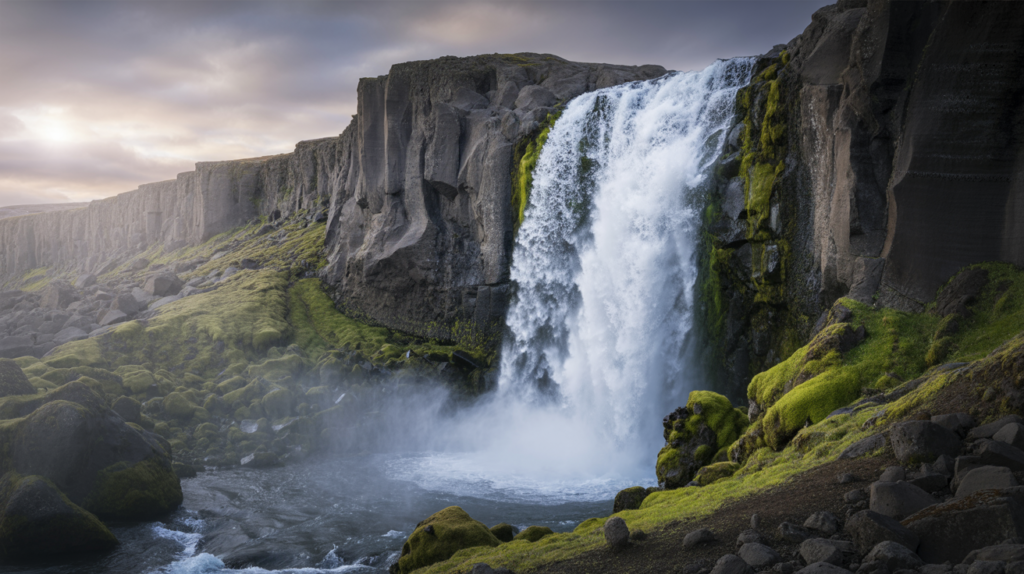
Iceland is a country where nature feels wild, powerful, and untouched. Among its many natural wonders, waterfalls stand out as some of the most breathtaking attractions. From towering cascades crashing into deep canyons to delicate streams flowing over moss-covered cliffs, waterfalls in Iceland create unforgettable landscapes that attract travelers from around the world.
Thanks to Iceland’s glaciers, volcanic terrain, and frequent rainfall, the country is home to thousands of waterfalls. Some are world-famous tourist destinations, while others remain hidden gems waiting to be discovered. Whether you are planning a road trip around the Ring Road or exploring the Golden Circle, waterfalls will likely become one of the highlights of your journey.
In this guide, you’ll discover the most famous waterfalls in Iceland, hidden spots worth visiting, travel tips, the best time to explore, and what makes these natural wonders so unique.
Why Iceland Has So Many Waterfalls
Iceland’s dramatic landscape is shaped by glaciers, volcanoes, mountains, and rivers. Massive glaciers melt during warmer months, feeding powerful rivers that flow across steep cliffs and rugged terrain. This combination creates countless waterfalls throughout the country.
Heavy rainfall and snowmelt also contribute to the abundance of waterfalls. In many places, you can drive just a few minutes and encounter another stunning cascade. The scenery changes constantly, making every waterfall feel different from the last.
One of the things I love most about Icelandic waterfalls is how natural they feel. Many are surrounded by lava fields, black sand beaches, green valleys, or basalt columns, creating landscapes that seem almost unreal.
Best Waterfalls in Iceland
Gullfoss Waterfall
Gullfoss is one of the most famous waterfalls in Iceland and a major stop along the Golden Circle route. The waterfall plunges into a rugged canyon in two dramatic stages, creating an incredible display of power.
On sunny days, rainbows often appear in the mist, making the view even more magical. The walking paths around Gullfoss provide several viewing angles, allowing visitors to experience the waterfall up close.
What makes Gullfoss special is the sheer force of the water. Standing near the edge and hearing the roar of the falls is an unforgettable experience.
Seljalandsfoss
Seljalandsfoss is one of the most photographed waterfalls in Iceland. What makes it unique is the pathway that allows visitors to walk behind the waterfall.
The waterfall drops about 60 meters from ancient sea cliffs, creating a stunning curtain of water. Walking behind it gives you a completely different perspective and makes for incredible photos.
I recommend wearing waterproof clothing because the mist can be quite heavy. Visiting during sunset is especially beautiful, as the golden light creates a magical atmosphere around the falls.
Skógafoss
Skógafoss is another iconic Icelandic waterfall located along the South Coast. It is wide, powerful, and incredibly photogenic.
The waterfall has a drop of about 60 meters and produces a huge amount of spray. On sunny days, double rainbows frequently appear in front of the waterfall.
Visitors can climb the staircase beside the falls for panoramic views of the surrounding landscape. The view from the top is absolutely worth the effort.
Personally, Skógafoss felt even more impressive in real life than in photos because of its massive scale and thunderous sound.
Dettifoss
Dettifoss is known as the most powerful waterfall in Europe. Located in North Iceland, this waterfall is fed by glacial water from Vatnajökull, Europe’s largest glacier.
The sheer force of the water is difficult to describe until you see it yourself. Massive amounts of water crash into the canyon below, creating a dramatic and raw landscape.
The surrounding terrain feels almost otherworldly, with dark rocks and rugged cliffs adding to the intense atmosphere.
Goðafoss
Goðafoss, also called the “Waterfall of the Gods,” is one of Iceland’s most beautiful waterfalls. It has a wide horseshoe shape and turquoise water that creates a stunning contrast against the volcanic rock.
According to Icelandic history, pagan idols were thrown into the waterfall when the country converted to Christianity around the year 1000. This historical connection adds extra significance to the site.
The waterfall is easy to access and offers several scenic viewpoints.
Svartifoss
Svartifoss is famous for the black basalt columns surrounding it. These hexagonal rock formations inspired the design of Iceland’s famous Hallgrímskirkja church in Reykjavík.
The hike to Svartifoss takes around 45 minutes, but the scenery along the trail is beautiful. The combination of dark volcanic columns and flowing water makes this waterfall unlike any other in Iceland.
If you enjoy photography, Svartifoss is a fantastic place to capture Iceland’s unique geology.
Hidden Gem Waterfalls in Iceland
While the famous waterfalls attract large crowds, Iceland also has many lesser-known waterfalls that offer a quieter experience.
Gljúfrabúi
Located near Seljalandsfoss, Gljúfrabúi is partially hidden inside a canyon. Visitors must step through shallow water and squeeze between cliffs to reach it.
The hidden setting makes the experience feel adventurous and magical. It quickly became one of my favorite waterfalls in Iceland because it feels like discovering a secret place.
Háifoss
Háifoss is one of the tallest waterfalls in Iceland, yet it remains less crowded than many famous waterfalls. The waterfall plunges dramatically into a deep canyon surrounded by rugged highlands.
The road to Háifoss can be rough, but the views are spectacular and worth the effort.
Dynjandi
Located in the Westfjords, Dynjandi is often considered one of the most beautiful waterfalls in Iceland. It resembles a bridal veil as the water spreads wider toward the bottom.
The remote location means fewer tourists, making it a peaceful and memorable destination.
Best Time to Visit Waterfalls in Iceland
Waterfalls in Iceland can be visited year-round, but each season offers a different experience.
Summer
Summer is the most popular time to visit Iceland. Roads are easier to access, hiking trails are open, and the weather is milder. Long daylight hours also give you more time to explore.
This season is ideal for road trips and visiting waterfalls across the entire country.
Winter
Winter transforms Icelandic waterfalls into icy wonderlands. Snow and ice create stunning scenery, and some waterfalls partially freeze during extremely cold weather.
However, winter travel can be challenging due to icy roads and unpredictable weather conditions.
Spring and Autumn
Spring and autumn offer fewer crowds and beautiful colors. These seasons can be excellent for photography and peaceful exploration.
Tips for Visiting Waterfalls in Iceland
Wear Waterproof Clothing
Many Icelandic waterfalls produce strong mist, especially larger waterfalls like Skógafoss and Seljalandsfoss. Waterproof jackets and sturdy shoes are highly recommended.
Stay on Marked Paths
The terrain near waterfalls can be slippery and dangerous. Always stay on designated trails and follow safety signs.
Bring a Camera
Iceland’s waterfalls are incredibly photogenic. A waterproof phone case or camera protection can be useful because of the spray.
Check Weather Conditions
Weather in Iceland changes quickly. Before traveling, check road conditions and weather forecasts to stay safe.
Waterfalls Along Iceland’s Ring Road
One of the best ways to explore waterfalls in Iceland is by driving the Ring Road, which circles the entire country.
Popular waterfalls along the route include:
- Seljalandsfoss
- Skógafoss
- Dettifoss
- Goðafoss
- Svartifoss
Driving the Ring Road allows you to experience Iceland’s diverse landscapes while discovering waterfalls around almost every corner.
Photography Tips for Icelandic Waterfalls
If you enjoy photography, Iceland is a dream destination. Here are a few helpful tips:
- Visit early in the morning to avoid crowds
- Use a tripod for long exposure shots
- Protect your camera from water spray
- Include people in photos to show scale
- Experiment with different angles and perspectives
Sunrise and sunset often create the best lighting conditions for dramatic waterfall photos.
The Magic of Icelandic Waterfalls
What makes waterfalls in Iceland truly unforgettable is the atmosphere surrounding them. The sound of rushing water, the cool mist in the air, and the dramatic volcanic landscapes create a feeling that is difficult to describe.
Every waterfall has its own personality. Some feel peaceful and calming, while others feel powerful and intense. Exploring them becomes more than just sightseeing — it feels like experiencing the raw energy of nature itself.
During my time exploring Iceland, waterfalls were the places that left the strongest memories. Even after visiting many countries, Iceland’s waterfalls remain some of the most spectacular natural sights I have ever seen.
Final Thoughts
Waterfalls in Iceland are among the country’s greatest natural treasures. From world-famous sites like Gullfoss and Skógafoss to hidden gems like Gljúfrabúi and Dynjandi, each waterfall offers something unique.
Whether you are planning a short trip or a full Ring Road adventure, visiting waterfalls should be a major part of your Iceland itinerary. Their beauty, power, and dramatic surroundings create experiences that stay with you long after your journey ends.
If you love nature, photography, road trips, or simply breathtaking scenery, Iceland’s waterfalls will not disappoint.

Hi, I’m Tanvir, the founder and author of Explore Ireland Now. With a deep love for Ireland and its rich culture, history, and landscapes, I created this site to share everything that makes this beautiful country worth exploring. Whether you’re a local looking for hidden gems or a traveler planning your next adventure, I provide insightful guides, tips, and recommendations to help you experience Ireland to the fullest.
From stunning landscapes to vibrant cities and quaint villages, Ireland is full of wonders waiting to be discovered. Through my personal experiences and research, I aim to bring you the most up-to-date information and inspiration for your journey.
Thank you for visiting Explore Ireland Now—I hope my content helps you uncover all that this incredible country has to offer! If you have any questions or need travel advice, feel free to reach out.