Iceland is one of the most beautiful countries in the world, known for its glaciers, volcanoes, waterfalls, and high quality of life. However, it is also famous for being expensive. Whether you are planning to move, study, work, or travel long-term, understanding the cost of living in Iceland is essential before making any decisions.
In this guide, you will learn about housing costs, food prices, transportation expenses, healthcare, utilities, entertainment, and practical tips to save money while living in Iceland.
Why Is Iceland So Expensive?
Several factors contribute to Iceland’s high living costs:
- Most goods are imported
- High wages increase service prices
- Small population limits competition
- Harsh climate raises energy and transportation costs
- Strong tourism industry impacts pricing
Despite the high prices, many people feel the excellent safety, healthcare, infrastructure, and natural beauty make Iceland worth the expense.
Average Cost of Living in Iceland
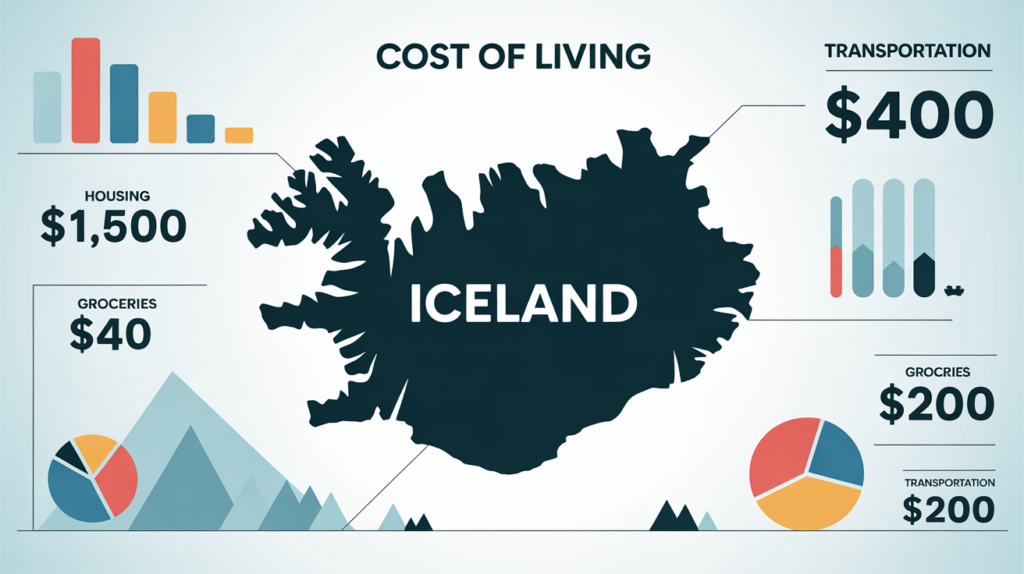
The monthly cost of living depends on your lifestyle and location. Reykjavík, the capital city, is the most expensive area in the country.
Here is an estimate of monthly living expenses for one person:
| Expense Category | Average Monthly Cost |
|---|---|
| Rent (1-bedroom apartment) | $1,400 – $2,200 |
| Utilities | $100 – $200 |
| Groceries | $350 – $600 |
| Transportation | $70 – $150 |
| Internet & Mobile | $50 – $90 |
| Entertainment | $150 – $400 |
| Total | $2,200 – $4,000 |
Families usually spend significantly more depending on housing size and childcare needs.
Housing Costs in Iceland
Accommodation is the largest expense for most residents.
Apartment Rent in Reykjavík
Rental prices in Reykjavík are high due to strong demand and limited housing availability.
Typical monthly rental prices:
- Studio apartment: $1,200 – $1,700
- One-bedroom apartment: $1,400 – $2,200
- Three-bedroom apartment: $2,500 – $4,000
Housing Outside Reykjavík
Living outside the capital can reduce costs substantially. Smaller towns like Akureyri or Ísafjörður often offer cheaper rent and quieter lifestyles.
However, job opportunities may be more limited outside Reykjavík.
Buying Property in Iceland
Property prices have increased in recent years. Buying a home in Iceland requires a significant budget, especially in the capital region.
Foreigners can buy property in Iceland under certain conditions, but rules may vary depending on residency status.
Grocery Prices in Iceland
Food shopping in Iceland is more expensive than in many European countries.
Average grocery prices:
| Item | Average Price |
|---|---|
| Milk (1 liter) | $1.80 – $2.50 |
| Bread loaf | $3 – $5 |
| Eggs (12) | $5 – $7 |
| Chicken breast (1 kg) | $15 – $22 |
| Rice (1 kg) | $3 – $5 |
| Apples (1 kg) | $3 – $5 |
| Cheese (1 kg) | $12 – $18 |
Imported fruits, vegetables, and snacks can be particularly expensive.
Cheapest Grocery Stores in Iceland
Budget-friendly supermarket chains include:
- Bónus
- Krónan
- Nettó
Shopping at discount stores and cooking at home can help reduce expenses significantly.
Dining Out Costs
Restaurants in Iceland are expensive compared to many other countries.
Typical restaurant prices:
| Meal Type | Average Cost |
|---|---|
| Fast food combo | $15 – $20 |
| Casual restaurant meal | $25 – $40 |
| Three-course dinner | $70 – $120 |
| Coffee | $4 – $7 |
Many residents cook at home regularly to save money.
Transportation Costs in Iceland
Public Transportation
Reykjavík mainly relies on buses because Iceland does not have a train system.
Monthly bus pass:
- Around $60 – $90
Public transportation is reliable in the capital area but less extensive in rural regions.
Owning a Car
Cars are expensive in Iceland due to import taxes and fuel prices.
Average costs:
- Petrol per liter: $2 – $2.70
- Car insurance: High compared to many countries
- Winter tires and maintenance increase costs
Still, many residents prefer cars because of Iceland’s remote landscapes and limited public transit outside cities.
Utility Bills in Iceland
One advantage of living in Iceland is relatively affordable electricity and heating compared to some countries.
This is mainly because Iceland uses geothermal and hydroelectric energy.
Average monthly utility costs:
- Electricity and heating: $80 – $150
- Water: Often included in rent
- Internet: $40 – $70
Heating costs may rise during colder months for larger homes.
Healthcare Costs in Iceland
Iceland has a strong healthcare system with affordable medical services for residents.
Key points:
- Residents receive access to public healthcare
- Doctor visits usually require small fees
- Emergency services are reliable
- Private healthcare is available but more expensive
International students and new residents may need private insurance temporarily.
Education Costs
Public education in Iceland is generally free for residents.
For international students:
- Public universities often charge low administrative fees
- Private schools and international schools can be expensive
Popular universities include:
- University of Iceland
- Reykjavík University
Internet and Mobile Costs
Iceland has excellent internet infrastructure with fast connections across most of the country.
Typical monthly costs:
- Home internet: $40 – $70
- Mobile plan: $20 – $50
Remote workers usually find internet quality very reliable.
Entertainment and Lifestyle Costs
Iceland offers many outdoor activities, but some entertainment options are costly.
Average prices:
- Gym membership: $40 – $80
- Cinema ticket: $15 – $20
- Swimming pool entry: $8 – $12
- Domestic travel: Expensive during peak seasons
Fortunately, many natural attractions like waterfalls, hiking trails, and beaches are free.
Cost of Living for Students in Iceland
Students can lower expenses by:
- Sharing apartments
- Cooking at home
- Using public transport
- Applying for student housing
Estimated monthly student budget:
- $1,500 – $2,500
Living in Reykjavík will usually cost more than smaller towns.
Cost of Living for Families
Families need to budget carefully due to high housing and childcare costs.
Major family expenses include:
- Larger apartments or houses
- Daycare and childcare
- Transportation
- Groceries
However, Iceland is considered one of the safest and most family-friendly countries in the world.
Salary and Income in Iceland
Although Iceland is expensive, salaries are also relatively high.
Average monthly salaries after tax:
- $3,000 – $5,500 depending on profession
Common industries include:
- Tourism
- Fishing
- Renewable energy
- Technology
- Healthcare
Minimum wages are typically negotiated through labor unions rather than fixed nationally.
Is Iceland More Expensive Than Other Countries?
Compared to many countries, Iceland has a very high cost of living.
Generally:
- More expensive than most of Europe
- Similar to or higher than some major US cities
- Significantly more expensive than many Asian countries
Tourists are often surprised by food and accommodation prices.
Tips to Save Money in Iceland
Living in Iceland becomes more manageable with smart budgeting.
Choose Shared Housing
Renting with roommates can reduce monthly expenses dramatically.
Cook at Home
Restaurant meals add up quickly. Grocery shopping and meal preparation help save money.
Shop at Budget Stores
Use discount supermarkets like Bónus and Krónan whenever possible.
Use Public Pools
Swimming pools are affordable and popular social spaces in Iceland.
Buy Second-Hand Items
Facebook groups and local markets often have affordable used furniture and clothing.
Travel During Off-Peak Seasons
Domestic flights and tourism activities are cheaper outside summer months.
Pros of Living in Iceland
- Extremely safe country
- Stunning natural scenery
- Strong healthcare system
- High salaries
- Clean environment
- Excellent work-life balance
Cons of Living in Iceland
- High rent and food prices
- Harsh winter weather
- Limited daylight in winter
- Expensive dining and entertainment
- Smaller job market compared to larger countries
Final Thoughts
The cost of living in Iceland is undeniably high, especially for housing, dining, and imported goods. However, Iceland also offers excellent public services, breathtaking landscapes, strong salaries, and a peaceful lifestyle that many people find rewarding.
If you plan carefully, budget wisely, and adapt to local living habits, life in Iceland can be both manageable and incredibly fulfilling.

Hi, I’m Tanvir, the founder and author of Explore Ireland Now. With a deep love for Ireland and its rich culture, history, and landscapes, I created this site to share everything that makes this beautiful country worth exploring. Whether you’re a local looking for hidden gems or a traveler planning your next adventure, I provide insightful guides, tips, and recommendations to help you experience Ireland to the fullest.
From stunning landscapes to vibrant cities and quaint villages, Ireland is full of wonders waiting to be discovered. Through my personal experiences and research, I aim to bring you the most up-to-date information and inspiration for your journey.
Thank you for visiting Explore Ireland Now—I hope my content helps you uncover all that this incredible country has to offer! If you have any questions or need travel advice, feel free to reach out.