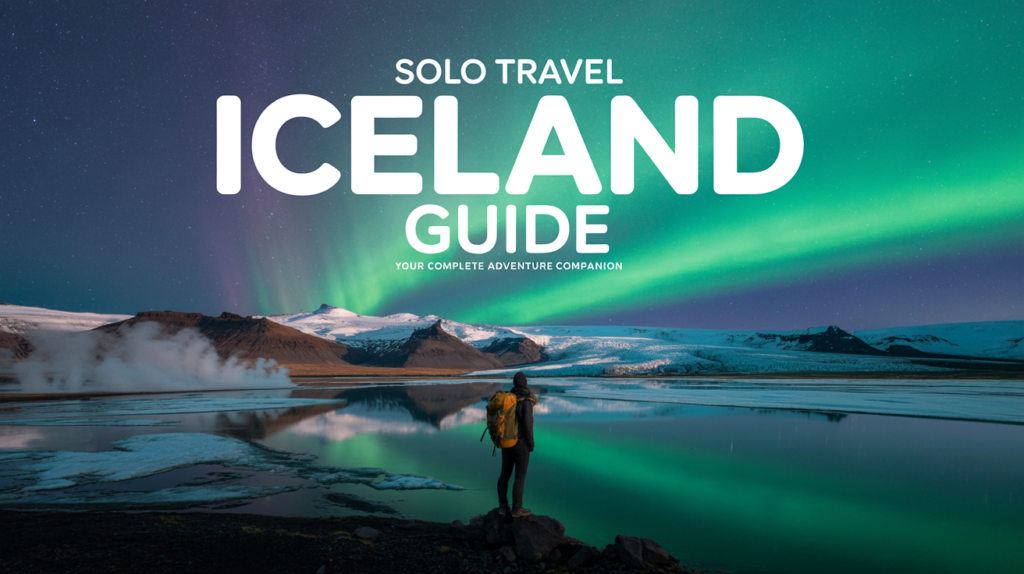
Iceland has become one of the world’s top solo travel destinations, and it’s easy to see why. The country is incredibly safe, easy to navigate, filled with breathtaking landscapes, and packed with unforgettable experiences. Whether you want to chase waterfalls, relax in geothermal lagoons, hike glaciers, or watch the northern lights, Iceland offers adventure without requiring a travel partner.
Solo travel in Iceland also gives you something many destinations cannot: peace. The dramatic scenery, quiet roads, and untouched nature create a feeling of freedom that is difficult to match elsewhere.
If you are planning your first solo trip to Iceland, this guide covers everything from budgeting and transportation to safety tips and must-visit places.
Is Iceland Safe for Solo Travelers?
Yes — Iceland is considered one of the safest countries in the world. Violent crime is extremely rare, and locals are generally friendly and helpful.
Solo travelers, including women traveling alone, often feel comfortable exploring Iceland independently. Still, nature can be unpredictable, so safety precautions are important.
Safety Tips for Solo Travelers in Iceland
- Check weather forecasts daily
- Never ignore road warnings
- Avoid hiking alone in dangerous conditions
- Tell someone your travel plans during remote hikes
- Carry a portable charger and warm clothing
- Use crampons during icy winter walks
The biggest risks in Iceland usually come from weather and natural conditions rather than crime.
Best Time for Solo Travel in Iceland
Each season offers a completely different experience.
Summer (June–August)
Summer is the most popular season because of:
- Midnight sun
- Easier driving conditions
- Longer sightseeing hours
- Better hiking access
This is ideal for first-time solo travelers.
Winter (November–March)
Winter brings:
- Northern lights
- Ice caves
- Snow-covered landscapes
- Fewer tourists
However, driving becomes more challenging.
Shoulder Seasons (April–May & September–October)
These months offer:
- Lower prices
- Smaller crowds
- Decent weather
- Better accommodation availability
Many experienced travelers consider September one of the best months for solo travel in Iceland.
How Expensive Is Iceland?
Iceland is not a budget destination, but solo travelers can still save money with smart planning.
Average Daily Budget
| Travel Style | Daily Cost |
|---|---|
| Budget | $80–$150 |
| Mid-range | $180–$300 |
| Luxury | $400+ |
Biggest Expenses
- Accommodation
- Car rental
- Dining out
- Fuel
Ways to Save Money
- Stay in hostels or guesthouses
- Cook your own meals
- Travel during shoulder season
- Use public swimming pools instead of expensive spas
- Split tour costs with other travelers you meet
Best Places to Visit in Iceland Alone
Reykjavík
The capital is compact, colorful, and solo-travel friendly. It’s a great place to meet other travelers.
Top attractions include:
- Hallgrímskirkja Church
- Harpa Concert Hall
- Sun Voyager sculpture
- Local cafés and bars
Golden Circle
The Golden Circle is Iceland’s most famous sightseeing route.
Stops include:
- Þingvellir National Park
- Gullfoss Waterfall
- Geysir geothermal area
Perfect for a day trip from Reykjavík.
Blue Lagoon
One of Iceland’s most iconic attractions. Relaxing in warm geothermal water after a long day of exploring is a must-do experience.
Book early because slots sell out quickly.
South Coast
The South Coast is ideal for solo road trips.
Highlights include:
- Seljalandsfoss waterfall
- Skógafoss waterfall
- Reynisfjara black sand beach
- Glacier lagoons
Should You Rent a Car?
For solo travelers, renting a car provides maximum freedom.
Advantages
- Flexible schedule
- Access to remote locations
- Easier photography stops
- Ability to explore hidden gems
Disadvantages
- Expensive
- Winter driving can be difficult
- Fuel costs add up
If you do not want to drive alone, guided tours from Reykjavík are excellent alternatives.
Best Accommodation for Solo Travelers
Hostels
Hostels are perfect for meeting people and saving money.
Look for:
- Shared kitchens
- Social common areas
- Group tours
- Female-only dorms if preferred
Guesthouses
Guesthouses are common throughout Iceland and offer a more local experience.
Camper Vans
Many solo travelers rent camper vans to combine transportation and accommodation.
This option works best during summer.
What to Pack for Iceland
The weather changes constantly, even in summer.
Essentials
- Waterproof jacket
- Thermal layers
- Hiking boots
- Gloves and hat
- Portable power bank
- Reusable water bottle
- Swimsuit
Layering is extremely important in Iceland.
Solo Female Travel in Iceland
Iceland is widely considered one of the safest countries for women traveling alone.
Many female solo travelers explore:
- Reykjavík nightlife
- Road trips
- Hiking routes
- Hot springs
Basic travel awareness is still important, especially in isolated areas.
Internet and Connectivity
Wi-Fi is widely available across Iceland, including:
- Hotels
- Cafés
- Hostels
- Some buses
Buying a local SIM card can help during road trips in remote areas.
Meeting People While Traveling Solo
Traveling alone does not mean being lonely.
Easy ways to meet people:
- Hostel events
- Day tours
- Group hikes
- Local bars and cafés
- Northern lights tours
Many solo travelers in Iceland are open to making new friends.
Best Iceland Experiences for Solo Travelers
Northern Lights Tours
Seeing the aurora borealis is unforgettable.
Glacier Hiking
Guided glacier hikes are popular and beginner-friendly.
Hot Springs
Beyond the Blue Lagoon, Iceland has many natural geothermal pools.
Whale Watching
Tours depart regularly from Reykjavík and northern Iceland.
Common Mistakes Solo Travelers Make
Underestimating the Weather
Iceland’s weather changes rapidly. Always prepare for wind, rain, and cold temperatures.
Overplanning the Itinerary
Driving distances can take longer than expected due to weather and road conditions.
Ignoring Safety Warnings
Never cross closed roads or dangerous beach zones for photos.
Sample 7-Day Solo Iceland Itinerary
Day 1
Arrive in Reykjavík and explore the city
Day 2
Golden Circle tour
Day 3
South Coast waterfalls
Day 4
Glacier lagoon visit
Day 5
Ice cave or glacier hike
Day 6
Blue Lagoon relaxation
Day 7
Northern lights or city exploration before departure
Final Thoughts
Solo travel in Iceland is an unforgettable experience filled with adventure, natural beauty, and personal freedom. Whether you are exploring waterfalls along the South Coast, relaxing in geothermal lagoons, or driving through volcanic landscapes, Iceland offers the kind of journey that stays with you for years.
The key to enjoying Iceland alone is simple:
- Plan carefully
- Respect nature
- Budget wisely
- Stay flexible
For many travelers, Iceland becomes more than just a destination — it becomes one of the most rewarding solo travel experiences in the world.

Hi, I’m Tanvir, the founder and author of Explore Ireland Now. With a deep love for Ireland and its rich culture, history, and landscapes, I created this site to share everything that makes this beautiful country worth exploring. Whether you’re a local looking for hidden gems or a traveler planning your next adventure, I provide insightful guides, tips, and recommendations to help you experience Ireland to the fullest.
From stunning landscapes to vibrant cities and quaint villages, Ireland is full of wonders waiting to be discovered. Through my personal experiences and research, I aim to bring you the most up-to-date information and inspiration for your journey.
Thank you for visiting Explore Ireland Now—I hope my content helps you uncover all that this incredible country has to offer! If you have any questions or need travel advice, feel free to reach out.