Why Visit Iceland?
Iceland is one of the most breathtaking destinations in the world. Known for its dramatic landscapes, volcanoes, glaciers, waterfalls, black sand beaches, and natural hot springs, Iceland offers unforgettable experiences for every traveler. Whether you want to chase the Northern Lights, hike through lava fields, relax in geothermal lagoons, or explore charming villages, Iceland has something special year-round.
Best Time to Visit Iceland
The best time to visit depends on what you want to experience.
Summer (June to August)
Summer is the most popular season because of the mild weather and long daylight hours. During this period, you can enjoy road trips, hiking, whale watching, and the famous Midnight Sun.
Winter (November to March)
Winter is perfect for travelers hoping to see the Northern Lights. Snow-covered landscapes create magical scenery, and activities like ice cave tours and glacier hiking become available.
Shoulder Seasons (April-May & September-October)
These months offer fewer crowds and lower prices while still providing good weather for sightseeing.
Top Places to Visit in Iceland
Reykjavik
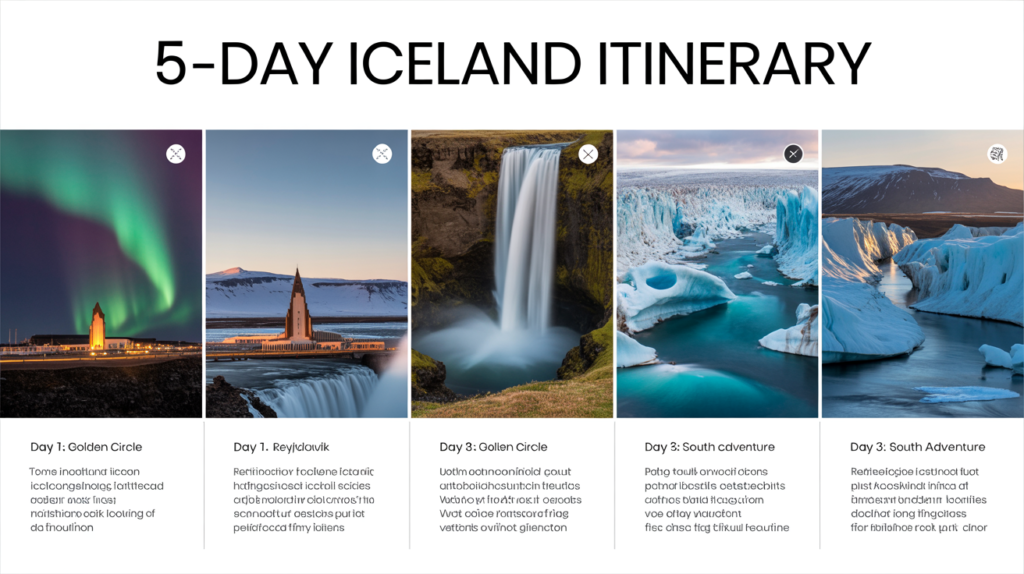
Reykjavik is Iceland’s capital and the starting point for most visitors. The city is colorful, modern, and filled with cafes, museums, and local culture. Don’t miss the iconic Hallgrímskirkja church and the waterfront concert hall Harpa.
The Golden Circle
The Golden Circle is Iceland’s most famous sightseeing route. It includes:
- Þingvellir National Park – A UNESCO World Heritage Site known for its tectonic plates and historical importance.
- Geysir – A geothermal area with erupting hot springs.
- Gullfoss – One of Iceland’s most powerful waterfalls.
Blue Lagoon
Blue Lagoon is Iceland’s most famous geothermal spa. The warm, mineral-rich waters surrounded by lava fields create a relaxing and unique experience.
South Coast
The South Coast is packed with incredible natural attractions, including:
- Seljalandsfoss
- Skógafoss
- Reynisfjara black sand beach
- Jökulsárlón glacier lagoon
Things to Do in Iceland
See the Northern Lights
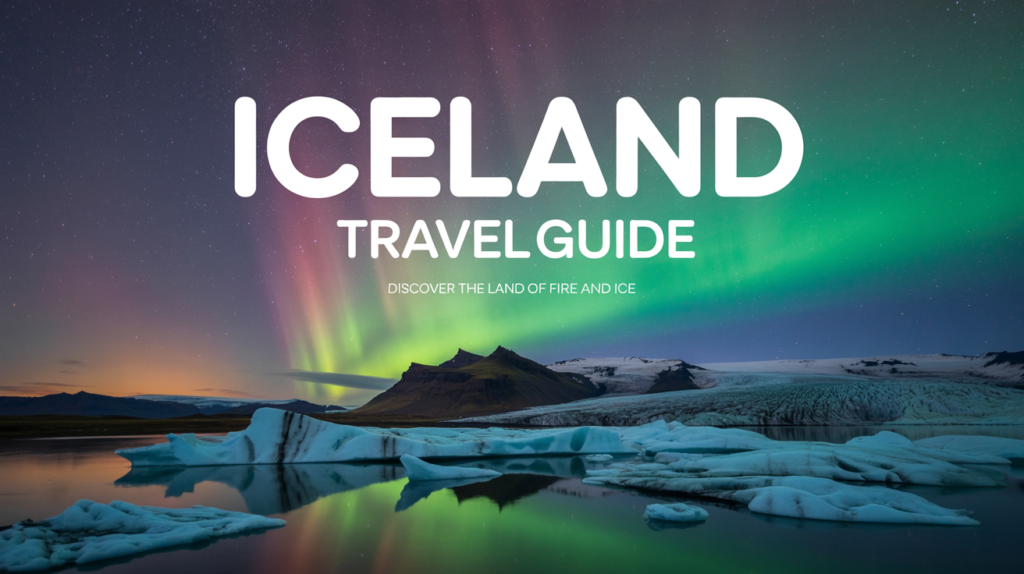
The Aurora Borealis is one of Iceland’s biggest attractions. The best chance to see them is between September and March on clear, dark nights.
Go Whale Watching
Iceland is one of the best places in Europe for whale watching. Tours depart from Reykjavik and northern towns like Húsavík.
Explore Ice Caves and Glaciers
Guided glacier hikes and ice cave tours provide unforgettable adventures during winter months.
Relax in Hot Springs
Besides the Blue Lagoon, Iceland has many natural hot springs and geothermal pools scattered throughout the country.
Iceland Travel Costs
Iceland is considered an expensive destination, but careful planning can help manage your budget.
Accommodation
- Budget hostels: $40–$80 per night
- Mid-range hotels: $150–$300 per night
- Luxury hotels: $400+ per night
Food
Eating out can be costly. Many travelers save money by shopping at supermarkets and cooking meals.
Transportation
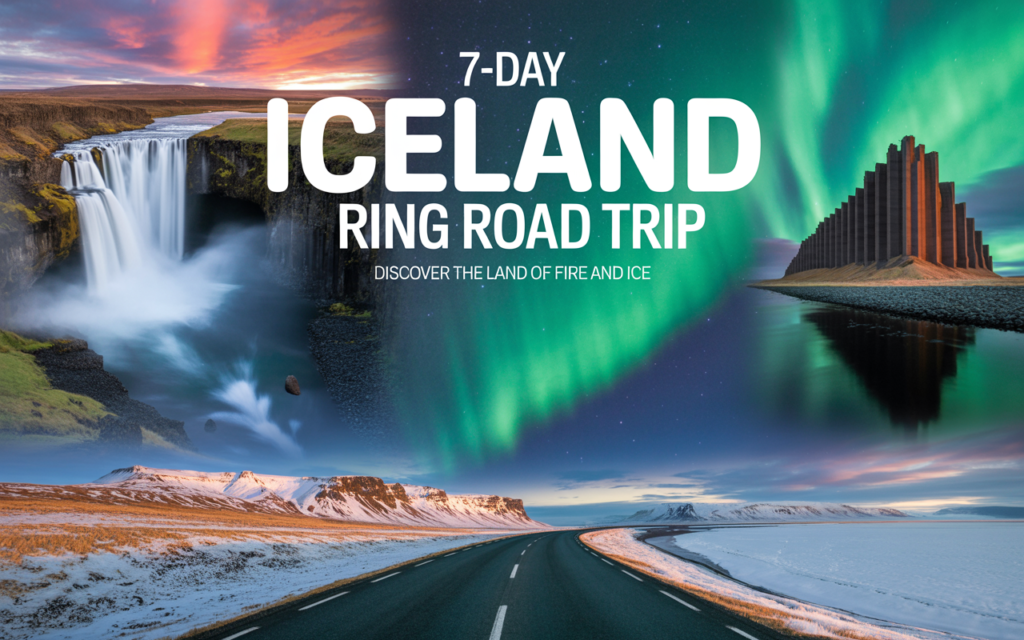
Renting a car is one of the best ways to explore Iceland, especially for road trips along the Ring Road.
What to Pack for Iceland
The weather in Iceland changes quickly, so packing properly is essential.
Bring:
- Waterproof jacket
- Warm layers
- Hiking boots
- Gloves and hat
- Swimsuit for hot springs
- Power bank and camera
Iceland Travel Tips
Rent a Car Carefully
Weather conditions can change rapidly, especially during winter. Always check road and weather updates before driving.
Respect Nature
Iceland’s landscapes are fragile. Stay on marked paths and follow local guidelines.
Book Popular Attractions Early
Tours and accommodations can sell out quickly during peak travel seasons.
Carry a Credit Card
Most places in Iceland accept cards, even for small purchases.
Icelandic Food to Try
When visiting Iceland, try traditional dishes such as:
- Lamb soup
- Fresh seafood
- Icelandic hot dogs
- Skyr yogurt
- Rye bread baked using geothermal heat
Is Iceland Safe for Tourists?
Iceland is considered one of the safest countries in the world. Crime rates are low, and locals are friendly and welcoming. However, travelers should still be cautious around natural hazards like strong ocean waves, icy roads, and changing weather conditions.
Final Thoughts
Iceland is a dream destination filled with natural beauty and unforgettable adventures. From waterfalls and glaciers to volcanoes and geothermal lagoons, every part of the country offers something unique. Whether you are planning a short city break or a full Ring Road adventure, Iceland promises memories that will last a lifetime.

Hi, I’m Tanvir, the founder and author of Explore Ireland Now. With a deep love for Ireland and its rich culture, history, and landscapes, I created this site to share everything that makes this beautiful country worth exploring. Whether you’re a local looking for hidden gems or a traveler planning your next adventure, I provide insightful guides, tips, and recommendations to help you experience Ireland to the fullest.
From stunning landscapes to vibrant cities and quaint villages, Ireland is full of wonders waiting to be discovered. Through my personal experiences and research, I aim to bring you the most up-to-date information and inspiration for your journey.
Thank you for visiting Explore Ireland Now—I hope my content helps you uncover all that this incredible country has to offer! If you have any questions or need travel advice, feel free to reach out.