
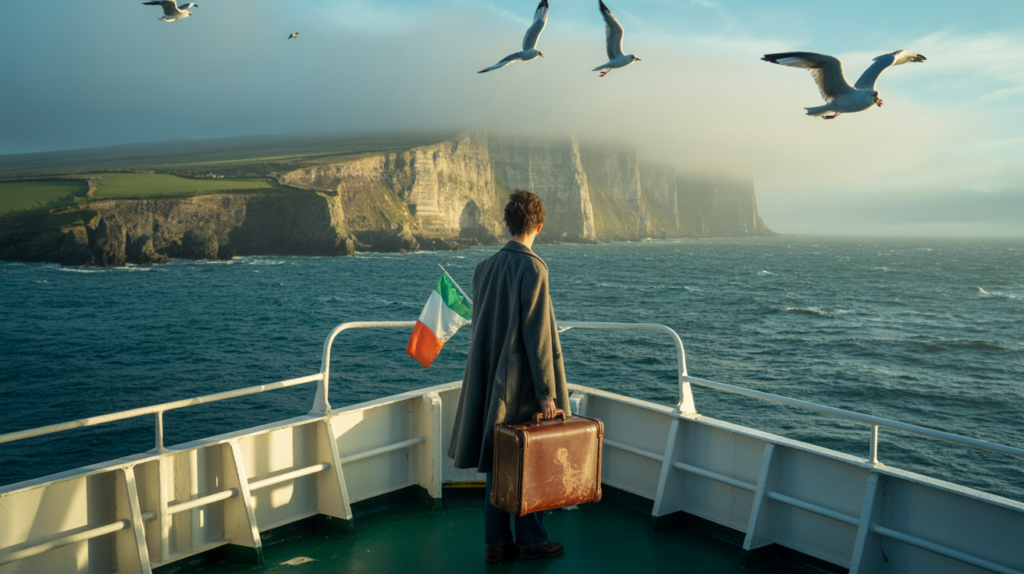
Moving from Ireland to France can be an exciting life change filled with new opportunities, beautiful cities, incredible food, and a different pace of life. Whether you are relocating for work, study, retirement, or simply a fresh start, proper planning can make the transition much smoother.
France offers a rich culture, excellent healthcare, world-famous cuisine, and diverse lifestyles ranging from busy urban living in Paris to peaceful countryside villages in regions like Provence or Normandy.
In this guide, you will learn everything you need to know about moving from Ireland to France, including visas, healthcare, housing, jobs, costs, banking, transportation, and practical relocation tips.
Why Move from Ireland to France?
Many people choose France because it offers a different lifestyle compared to Ireland. Some are attracted by the warmer climate, while others move for career opportunities, lower property prices in rural areas, or the chance to experience French culture.
Here are some common reasons people relocate:
- Better weather in many regions
- Access to high-quality healthcare
- Affordable housing outside major cities
- Career opportunities in tourism, technology, fashion, and hospitality
- Excellent public transport
- World-famous cuisine and wine
- Rich history and architecture
- A slower and more relaxed lifestyle
France is also centrally located in Europe, making it easier to travel to neighboring countries such as Spain, Italy, and Germany.
Can Irish Citizens Move to France?
Yes. Since both Ireland and France are members of the European Union, Irish citizens can legally move, live, work, and study in France without requiring a visa.
However, there are still several administrative steps you will need to complete after arriving.
These may include:
- Registering your address
- Opening a French bank account
- Getting healthcare coverage
- Applying for residency documents in some cases
- Registering for taxes
- Exchanging your driving licence if required
Although you do not need a visa, being organized with paperwork is very important in France.
Best Places to Live in France for Irish Expats
France offers a wide variety of lifestyles depending on your budget, work situation, and preferences.
Paris
Paris is ideal for professionals, students, and people who enjoy city life. It has excellent public transportation, international job opportunities, and a large expat community.
Pros:
- Strong job market
- International atmosphere
- Excellent transport
- Endless cultural activities
Cons:
- High rent prices
- Busy lifestyle
- Smaller apartments
Lyon
Lyon is often considered one of the best cities in France for quality of life. It combines urban convenience with a more relaxed atmosphere than Paris.
Pros:
- Excellent food scene
- Good transport
- Lower costs than Paris
- Beautiful architecture
Cons:
- Competitive housing market
Bordeaux
Bordeaux is famous for wine, beautiful streets, and a pleasant climate.
Pros:
- Great weather
- Relaxed lifestyle
- Beautiful surroundings
Cons:
- Rising housing prices
Nice
Nice on the French Riviera is popular among retirees and remote workers.
Pros:
- Warm Mediterranean climate
- Stunning coastline
- Relaxed pace of life
Cons:
- Expensive tourist areas
Cost of Living in France vs Ireland
In general, France can be cheaper than Ireland, especially outside Paris. Housing, dining, and transportation are often more affordable than in cities like Dublin.
Typical Monthly Costs in France
| Expense | Average Cost |
|---|---|
| One-bedroom apartment outside city center | €600–€1,000 |
| Utilities | €100–€200 |
| Internet | €25–€40 |
| Public transport pass | €30–€80 |
| Groceries | €250–€450 |
| Meal at a restaurant | €12–€25 |
Paris is significantly more expensive than smaller cities and rural areas.
Finding Accommodation in France
Finding housing in France can take time, especially in larger cities. Landlords often request extensive documentation.
You may need:
- Passport or ID
- Proof of income
- Work contract
- Bank statements
- Previous landlord references
Renting in France
Most rentals are either:
- Furnished (“meublé”)
- Unfurnished (“vide”)
Unfurnished rentals may not include appliances or lighting fixtures, so check carefully before signing a contract.
Many expats initially stay in temporary accommodation while searching for long-term housing.
Healthcare in France
France has one of the best healthcare systems in the world. Irish citizens can access healthcare, but you should register with the French healthcare system after moving.
Initially, you may use:
- European Health Insurance Card (EHIC)
- Private health insurance
After becoming a resident, you can apply for the French healthcare system known as:
- Protection Universelle Maladie (PUMA)
Most residents also purchase supplementary insurance called “mutuelle” to cover additional medical costs.
Working in France
France offers opportunities in:
- Tourism
- Hospitality
- Teaching English
- Technology
- Engineering
- Fashion
- Healthcare
Speaking French can significantly improve your job prospects, especially outside multinational companies.
Popular Jobs for English Speakers
- English teacher
- Customer support
- Hospitality worker
- IT professional
- Digital marketing specialist
- Remote work positions
Do You Need to Speak French?
While it is possible to live in France speaking only English, learning French will make daily life much easier.
French language skills help with:
- Finding jobs
- Dealing with paperwork
- Visiting doctors
- Socializing
- Renting apartments
Even basic conversational French can make a huge difference.
Opening a French Bank Account
A local bank account is often necessary for:
- Paying rent
- Receiving salary
- Setting up utilities
- Paying taxes
You usually need:
- Passport
- Proof of address
- Employment contract or proof of income
Some online banks and digital banking services make the process easier for expats.
Transportation in France
France has one of Europe’s best transportation systems.
Trains
The high-speed TGV network connects major cities quickly and efficiently.
Popular routes include:
- Paris to Lyon
- Paris to Marseille
- Bordeaux to Toulouse
Public Transport
Major cities have:
- Metro systems
- Buses
- Trams
- Regional trains
Public transport is generally reliable and affordable.
Driving in France
Irish citizens can drive in France using an Irish licence. However, after establishing long-term residency, you may eventually need to exchange your licence depending on changing regulations.
French roads are generally excellent, but city driving can be stressful in places like Paris.
Education in France
France offers:
- Public schools
- Private schools
- International schools
- Universities
Public education is generally high quality and affordable.
Families moving with children should research:
- Local school districts
- Language support programs
- International curriculum options
Taxes in France
If you become a French resident, you may need to file taxes in France.
France has:
- Income tax
- Social charges
- Property taxes
- VAT on goods and services
Tax rules can become complex for expats, especially if you still have income or property in Ireland.
Many expats consult a tax professional during their first year.
Culture Differences Between Ireland and France
Although both countries are European, there are cultural differences that may take time to adjust to.
Work-Life Balance
France often places a stronger emphasis on:
- Long lunch breaks
- Vacation time
- Work-life balance
Dining Culture
Meals are more formal and social in France compared to Ireland.
Bureaucracy
French administration can feel paperwork-heavy. Patience is essential when dealing with official procedures.
Moving Your Belongings to France
Many people hire international moving companies when relocating from Ireland to France.
Options include:
- Full-service movers
- Shared container shipping
- Self-drive van hire
- Minimalist relocation with luggage only
Before shipping:
- Declutter unnecessary items
- Compare quotes
- Check insurance coverage
- Understand customs requirements
Tips for a Smooth Move
Start Planning Early
International moves often involve:
- Paperwork
- Housing searches
- Financial preparation
- Healthcare registration
Starting early reduces stress.
Learn Basic French
Even simple phrases can improve your daily experiences and interactions.
Build an Emergency Fund
Unexpected costs may include:
- Deposits
- Temporary accommodation
- Furniture
- Administrative fees
Join Expat Communities
Online groups and local meetups can help you:
- Make friends
- Get advice
- Learn local systems faster
Challenges of Moving to France
Like any international move, relocating to France comes with challenges.
Common difficulties include:
- Language barriers
- Bureaucracy
- Finding housing
- Adapting to cultural differences
- Missing friends and family in Ireland
Most expats find that these challenges become easier over time.
Is Moving from Ireland to France Worth It?
For many people, yes. France offers:
- Excellent healthcare
- Beautiful landscapes
- Strong public transport
- Rich culture
- High quality of life
Whether you prefer the excitement of Paris, the beaches of Nice, or the countryside of Provence, France offers something for almost every lifestyle.
The key to a successful move is preparation, flexibility, and patience while adjusting to your new environment.
Final Thoughts
Moving from Ireland to France can be one of the most rewarding experiences of your life. While the process involves planning and paperwork, the opportunity to experience French culture, cuisine, and lifestyle makes the effort worthwhile.
Take time to research locations, organize your documents, and prepare financially before relocating. Once settled, you can enjoy everything France has to offer — from charming villages and world-class cities to incredible food and unforgettable travel experiences.

Hi, I’m Tanvir, the founder and author of Explore Ireland Now. With a deep love for Ireland and its rich culture, history, and landscapes, I created this site to share everything that makes this beautiful country worth exploring. Whether you’re a local looking for hidden gems or a traveler planning your next adventure, I provide insightful guides, tips, and recommendations to help you experience Ireland to the fullest.
From stunning landscapes to vibrant cities and quaint villages, Ireland is full of wonders waiting to be discovered. Through my personal experiences and research, I aim to bring you the most up-to-date information and inspiration for your journey.
Thank you for visiting Explore Ireland Now—I hope my content helps you uncover all that this incredible country has to offer! If you have any questions or need travel advice, feel free to reach out.

