France is one of the most beautiful travel destinations in the world. From the romantic streets of Paris to the sunny beaches of the French Riviera and the charming villages of Provence, millions of travelers visit France every year expecting an unforgettable experience. However, many visitors focus only on flights and hotels while ignoring the smaller expenses that quietly drain their travel budget.
These hidden travel costs in France can quickly turn an affordable vacation into an expensive one if you are not prepared. Whether you are planning a short city break or a long road trip across the country, understanding these extra costs can help you avoid surprises and travel more comfortably.
Tourist Taxes on Accommodation
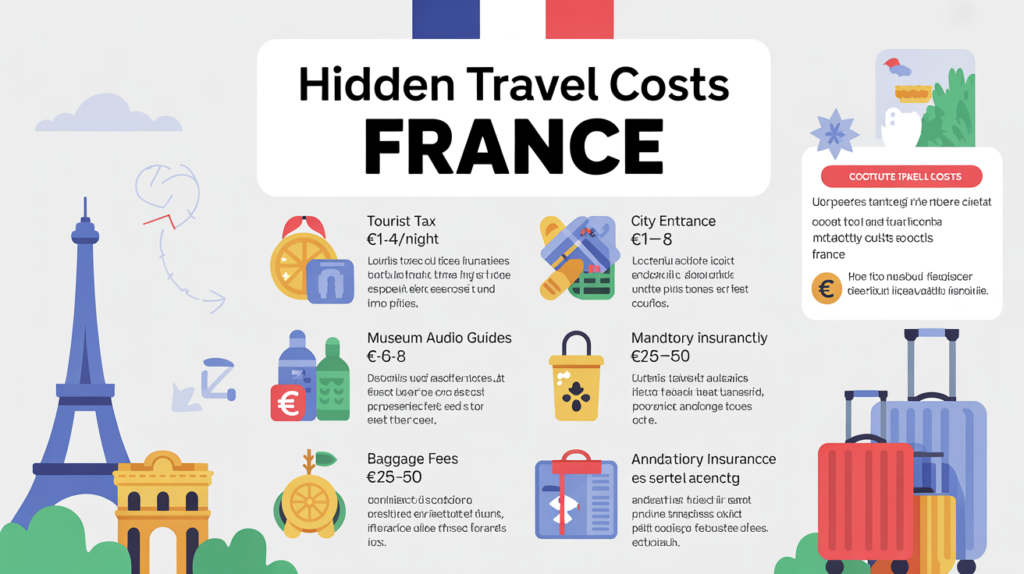
One of the first hidden costs travelers notice in France is the tourist tax, also called “taxe de séjour.” Many hotels, apartments, and vacation rentals charge this extra fee separately from the booking price.
The amount depends on:
- The city you visit
- The type of accommodation
- The hotel rating
- The number of nights you stay
In popular destinations like Paris or Nice, the tax can add up quickly, especially for families or longer stays. Budget travelers are often surprised because the tax is sometimes payable only upon arrival.
Expensive Train Reservations
France has an excellent rail system operated by SNCF, but train travel is not always as cheap as travelers expect.
Many visitors assume rail passes cover everything, but high-speed TGV trains often require mandatory seat reservations. These reservation fees can become expensive during busy travel seasons.
Last-minute train tickets are also much more expensive than advance bookings. A route that costs €30 weeks earlier may jump to over €100 close to departure.
Ways to save money on trains
- Book tickets several weeks in advance
- Travel during off-peak hours
- Use slower regional trains when possible
- Compare rail passes with individual tickets
Restaurant Service Charges and Extras
Many tourists misunderstand restaurant pricing in France. While service is usually included in the bill, there are still extra costs that can surprise travelers.
Some common hidden restaurant expenses include:
- Bread baskets at tourist restaurants
- Bottled water instead of free tap water
- Extra charges for terrace seating
- Higher menu prices near famous attractions
Dining near landmarks like the Eiffel Tower almost always costs significantly more than eating a few streets away.
Another overlooked expense is coffee. Sitting at a café terrace in France is part of the experience, but prices can vary dramatically depending on whether you drink standing at the counter or sitting outside.
Public Transportation Costs
Public transportation in France is reliable, but transportation expenses can pile up quickly if you travel often.
Visitors in Paris frequently underestimate:
- Metro ticket costs
- Airport train fares
- Late-night taxi prices
- Extra luggage fees on airport buses
For example, airport transportation from Charles de Gaulle Airport into central Paris can be more expensive than expected, especially for families.
Buying individual tickets daily instead of weekly or multi-day passes can also waste money.
ATM and Currency Exchange Fees
International travelers often lose money through poor currency exchange rates and ATM withdrawal fees.
Common hidden banking costs include:
- Foreign transaction fees
- Dynamic currency conversion charges
- ATM operator fees
- Poor airport exchange rates
Some French ATMs also limit withdrawal amounts, causing travelers to pay multiple transaction fees during their trip.
Using a travel-friendly debit card can reduce these costs significantly.
Museum and Attraction Add-Ons
France is famous for its museums and historic attractions, but the entrance ticket is not always the final price.
Popular attractions may include extra charges for:
- Audio guides
- Temporary exhibitions
- Skip-the-line access
- Guided tours
- Photography permissions
At places like the Louvre Museum, these optional upgrades can increase your spending far beyond the base ticket price.
Families especially notice how quickly attraction costs rise when paying for multiple people.
Baggage Fees on Budget Airlines
Many travelers use budget airlines within Europe to reach France cheaply. However, low-cost airlines often make their profit through hidden extras.
Common additional charges include:
- Carry-on baggage fees
- Checked luggage fees
- Seat selection charges
- Airport check-in fees
- Priority boarding costs
A “cheap” flight can easily double in price once these extras are added.
Always check baggage rules carefully before booking.
Car Rental Surprises
Renting a car in France can be convenient, especially for countryside travel, but hidden costs are extremely common.
Extra expenses may include:
- Toll roads
- Fuel policies
- Insurance upgrades
- Parking fees
- Young driver surcharges
- Automatic transmission premiums
French highways are known for expensive tolls. Travelers driving long distances across France can spend a surprisingly large amount on toll booths alone.
Parking in major cities like Lyon or Marseille can also become a daily expense many tourists forget to budget for.
Sunday and Holiday Closures
This hidden cost is not directly financial at first, but it often leads to unexpected spending.
Many smaller shops and grocery stores in France close on Sundays or holidays. Travelers who are unprepared may end up:
- Eating at expensive tourist restaurants
- Paying convenience store prices
- Taking extra taxis to find open stores
Planning ahead can help avoid unnecessary spending during closures.
Mobile Data and Roaming Charges
Travelers from outside Europe sometimes forget to check international phone plans before arriving in France.
Roaming charges for:
- Mobile data
- Calls
- Text messages
- GPS usage
can become extremely expensive.
Buying a local SIM card or international travel plan is often cheaper than relying on standard roaming services.
Hotel Breakfast Costs
Hotel breakfasts in France are convenient, but they are often overpriced compared to local cafés or bakeries.
A hotel may charge €15–€25 per person for breakfast, while nearby bakeries offer fresh croissants, coffee, and pastries for much less.
Families especially benefit from exploring local breakfast spots instead of automatically choosing the hotel buffet.
Tips for Avoiding Hidden Travel Costs in France
Here are some practical ways to control your travel budget in France:
Research transportation carefully
Compare trains, buses, flights, and rental cars before deciding.
Book major expenses early
Advance reservations often save significant money.
Eat away from tourist hotspots
Local neighborhoods usually offer better prices and more authentic food.
Track daily spending
Small expenses add up quickly during long trips.
Learn basic French phrases
Tourists who make an effort with the language sometimes avoid overpriced tourist-focused businesses.
Read the fine print
Always check for taxes, reservation fees, and luggage policies before booking.
Final Thoughts
France is an incredible destination, but hidden travel costs can catch even experienced travelers off guard. Tourist taxes, transportation fees, restaurant extras, and attraction upgrades may seem small individually, but together they can seriously impact your budget.
The good news is that most of these expenses are avoidable with proper planning. By understanding the hidden travel costs in France before your trip, you can spend smarter, avoid stress, and enjoy your vacation without constant financial surprises.
A well-planned French adventure is not only more affordable but also far more relaxing and enjoyable.

Hi, I’m Tanvir, the founder and author of Explore Ireland Now. With a deep love for Ireland and its rich culture, history, and landscapes, I created this site to share everything that makes this beautiful country worth exploring. Whether you’re a local looking for hidden gems or a traveler planning your next adventure, I provide insightful guides, tips, and recommendations to help you experience Ireland to the fullest.
From stunning landscapes to vibrant cities and quaint villages, Ireland is full of wonders waiting to be discovered. Through my personal experiences and research, I aim to bring you the most up-to-date information and inspiration for your journey.
Thank you for visiting Explore Ireland Now—I hope my content helps you uncover all that this incredible country has to offer! If you have any questions or need travel advice, feel free to reach out.