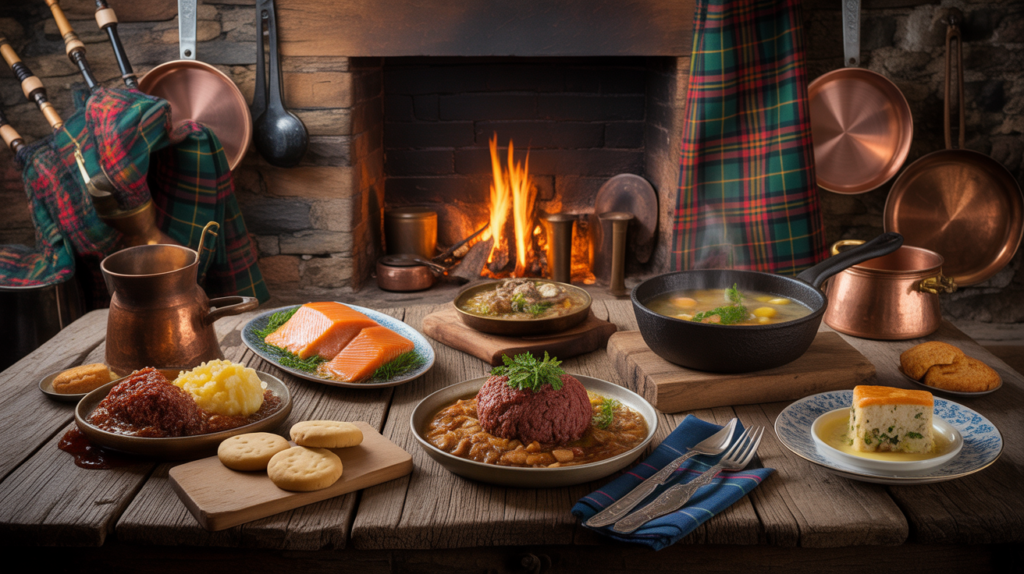
Scotland is known for its rich history, breathtaking landscapes, and unique culinary traditions. The food culture in Scotland reflects centuries of heritage, local ingredients, and regional pride. From hearty breakfasts to comforting seafood dishes, Scottish cuisine offers a flavorful experience that combines tradition with modern creativity.
The Importance of Traditional Scottish Food
Food has always played a major role in Scottish life. Many traditional meals were created using ingredients that were easy to find locally, including oats, potatoes, fish, beef, and root vegetables. Scottish families often pass recipes down through generations, keeping old traditions alive while adapting them to modern tastes.
Hospitality is also an important part of Scottish culture. Whether visiting a countryside village or a busy city, sharing food is seen as a way to welcome guests and celebrate togetherness.
Famous Scottish Dishes
Haggis
Haggis is one of the most famous dishes associated with Scotland. It is traditionally made with minced meat, oats, onions, and spices, cooked inside a casing. Although it may sound unusual to some visitors, many people enjoy its rich and savory flavor.
Haggis is often served with mashed potatoes and mashed turnips, creating a comforting and filling meal. It is especially popular during Burns Night celebrations, which honor the Scottish poet Robert Burns.
Scottish Breakfast
A traditional Scottish breakfast is hearty and satisfying. It usually includes eggs, sausages, baked beans, mushrooms, tomatoes, toast, and potato scones. Some versions also include black pudding.
This breakfast reflects the Scottish preference for filling meals that provide energy for long days, especially during colder seasons.
Cullen Skink
Cullen Skink is a creamy smoked fish soup that comes from the town of Cullen in northeast Scotland. It is made with smoked haddock, potatoes, onions, and milk or cream.
The soup is thick, warm, and comforting, making it a favorite dish in many Scottish homes and restaurants.
Scotch Pie
The Scotch pie is a small meat pie with a crispy crust, often filled with minced lamb or beef. It is commonly enjoyed as a quick snack or served during sporting events.
Its portable size and rich filling have made it a classic part of Scottish street food culture.
Seafood in Scottish Cuisine
Because Scotland is surrounded by coastline and rivers, seafood plays a major role in the national diet. Fresh salmon, haddock, mussels, and scallops are widely enjoyed across the country.
Scottish salmon is especially famous for its quality and flavor. Many restaurants focus on serving locally caught seafood prepared in simple ways that highlight freshness.
Fishing communities have influenced Scottish food culture for generations, and seafood remains an important part of daily life in coastal regions.
The Role of Oats in Scotland
Oats have been a staple ingredient in Scotland for centuries. The cool climate made oats easier to grow than wheat, so they became essential in many traditional recipes.
Porridge is one of the most common oat-based dishes and is still widely eaten for breakfast today. Oats are also used in oatcakes, which are often served with cheese, soup, or smoked fish.
The long history of oats in Scottish cuisine demonstrates how local agriculture shaped the country’s food traditions.
Scottish Desserts and Sweet Treats
Scottish desserts are known for their comforting flavors and simple ingredients. Some popular sweet dishes include:
- Shortbread
- Cranachan
- Tablet
- Dundee cake
Cranachan is a particularly famous dessert made with cream, oats, raspberries, and honey. It combines sweetness and texture in a way that reflects traditional Scottish ingredients.
Shortbread is another beloved treat enjoyed throughout Scotland. Its buttery flavor and crumbly texture make it popular during holidays and celebrations.
Modern Food Culture in Scotland
Modern Scottish cuisine blends traditional dishes with international influences. In cities like Edinburgh and Glasgow, chefs are reinventing classic recipes using fresh local ingredients and creative cooking techniques.
Farm-to-table dining has become increasingly popular, with many restaurants focusing on seasonal produce and sustainable seafood. International cuisine is also widely available, reflecting Scotland’s diverse communities and evolving food scene.
Despite these modern changes, traditional dishes continue to hold a special place in Scottish culture.
Food Festivals and Celebrations
Scotland hosts many food festivals throughout the year that celebrate local produce, seafood, baking, and traditional recipes. These events bring communities together and attract visitors interested in experiencing authentic Scottish flavors.
Farmers’ markets are also common across the country, offering fresh vegetables, homemade baked goods, cheeses, and locally sourced products.
These gatherings help preserve Scotland’s culinary traditions while supporting local farmers and food producers.
Regional Differences in Scottish Food
Different regions of Scotland have their own unique specialties. Coastal areas focus heavily on seafood, while rural regions are known for meat dishes and baked goods.
The Highlands are famous for hearty meals made with local game and root vegetables, while island communities often feature freshly caught fish and shellfish in their cooking.
This regional variety makes Scottish food culture diverse and deeply connected to the landscape.
Why Scottish Food Culture Stands Out
Scottish food culture stands out because of its strong connection to history, nature, and community. Traditional recipes have survived for centuries, yet modern chefs continue to bring fresh ideas to the table.
The use of local ingredients, hearty flavors, and family traditions gives Scottish cuisine a unique identity that continues to attract food lovers from around the world.
Whether enjoying a bowl of Cullen Skink, a plate of haggis, or freshly prepared seafood, exploring food culture in Scotland offers a deeper understanding of the country’s heritage and way of life.

Hi, I’m Tanvir, the founder and author of Explore Ireland Now. With a deep love for Ireland and its rich culture, history, and landscapes, I created this site to share everything that makes this beautiful country worth exploring. Whether you’re a local looking for hidden gems or a traveler planning your next adventure, I provide insightful guides, tips, and recommendations to help you experience Ireland to the fullest.
From stunning landscapes to vibrant cities and quaint villages, Ireland is full of wonders waiting to be discovered. Through my personal experiences and research, I aim to bring you the most up-to-date information and inspiration for your journey.
Thank you for visiting Explore Ireland Now—I hope my content helps you uncover all that this incredible country has to offer! If you have any questions or need travel advice, feel free to reach out.