
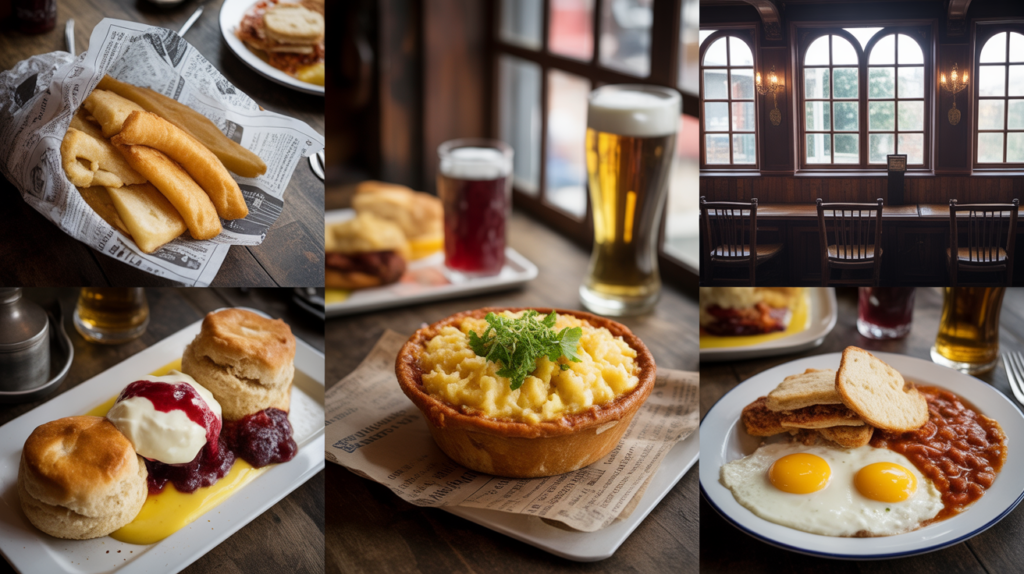
When people think about food culture in the UK, they often picture classic dishes like fish and chips or a full English breakfast. But the reality is far richer and more diverse. The UK’s food culture is a blend of history, regional traditions, global influences, and modern innovation. From hearty comfort foods to vibrant street food scenes, British cuisine has evolved into something both deeply rooted and constantly changing.
In this guide, I’ll walk you through the key aspects of UK food culture—what people eat, how they eat, and why it matters.
1. A Brief History of UK Food Culture
To understand British food today, you need to look at its past.
Historically, UK cuisine was shaped by:
- Agriculture and local produce
- Class differences (simple meals vs. elaborate dining)
- Industrialization
- Colonial connections bringing global ingredients
Traditional British food developed as practical, filling, and seasonal. Meals were built around what was available locally—potatoes, root vegetables, meats, and grains.
Over time, immigration introduced new flavors from South Asia, the Caribbean, the Middle East, and beyond. Today’s UK food culture reflects that global influence in a big way.
2. Traditional British Dishes
Even with all the modern changes, traditional foods still hold a strong place in UK culture.
Fish and Chips
Arguably the most iconic British dish, fish and chips consist of battered fried fish served with thick-cut fries. It’s often enjoyed with salt, vinegar, and sometimes mushy peas.
Full English Breakfast
This is a hearty morning meal that typically includes:
- Eggs
- Sausages
- Bacon
- Baked beans
- Toast
- Mushrooms and tomatoes
It’s not an everyday breakfast for most people anymore, but it remains a cultural staple, especially on weekends.
Roast Dinner
A Sunday roast is a big tradition in many households. It usually includes:
- Roasted meat (chicken, beef, or lamb)
- Potatoes
- Vegetables
- Gravy
- Yorkshire pudding
This meal is about family, comfort, and tradition.
Shepherd’s Pie and Cottage Pie
These dishes are made with minced meat topped with mashed potatoes. They’re classic comfort foods and still widely eaten.
3. Regional Food Differences
Food in the UK isn’t the same everywhere. Each region has its own specialties.
England
- Cornish pasties (savory pastry filled with meat and vegetables)
- Yorkshire pudding
- Lancashire hotpot
Scotland
- Haggis (a savory pudding made with minced meat and oats)
- Scotch broth
- Shortbread
Wales
- Welsh rarebit (cheese sauce on toast)
- Cawl (a traditional soup)
Northern Ireland
- Soda bread
- Ulster fry (similar to a full English but with local variations)
These regional dishes reflect local ingredients and traditions that have been passed down for generations.
4. The Influence of Global Cuisine
One of the most exciting aspects of UK food culture today is its diversity.
Immigration has played a huge role in shaping what people eat. Some of the most popular foods in the UK are inspired by international cuisines.
South Asian Influence
Dishes like curry have become a major part of British life. In fact, curry is often considered one of the UK’s favorite meals.
Middle Eastern and Mediterranean Food
Foods like kebabs, hummus, and falafel are widely available and commonly eaten.
Caribbean Cuisine
Jerk chicken, rice and peas, and patties have become popular, especially in cities.
East Asian Food
Chinese, Thai, and Japanese cuisines are also widely loved, with takeaway culture playing a big role.
This mix of cultures makes the UK one of the most diverse food scenes in the world.
5. Everyday Eating Habits in the UK
Food culture isn’t just about special dishes—it’s about daily routines.
Breakfast
Most people eat a quick breakfast such as:
- Cereal
- Toast
- Tea or coffee
The full English breakfast is usually reserved for weekends or special occasions.
Lunch
Lunch is often simple and quick:
- Sandwiches
- Soup
- Salads
Meal deals (a sandwich, drink, and snack) are extremely popular among workers and students.
Dinner
Dinner is typically the main meal of the day. Common options include:
- Pasta
- Rice dishes
- Roasted or grilled meat
- Ready meals
Dinner time varies but usually falls between 6 pm and 8 pm.
6. The Role of Tea in UK Culture
Tea is more than just a drink in the UK—it’s part of daily life.
People drink tea:
- In the morning
- During work breaks
- While socializing
- At home in the evening
“Having a cup of tea” often means taking a moment to relax or connect with others.
Afternoon tea, which includes small sandwiches, scones, and sweets, is also a well-known tradition, although it’s more of an occasional treat than a daily habit.
7. Street Food and Modern Food Trends
In recent years, the UK has seen a boom in street food and casual dining.
Street Food Markets
Cities like London, Manchester, and Birmingham are known for their street food scenes. You can find:
- Gourmet burgers
- Loaded fries
- International dishes
- Fusion foods
Food Trucks
Food trucks offer creative and affordable options, often experimenting with new flavors.
Plant-Based Eating
Vegetarian and vegan diets have become increasingly popular. Many restaurants now offer plant-based versions of traditional dishes.
Health-Conscious Eating
There’s a growing focus on:
- Organic food
- Locally sourced ingredients
- Low-calorie meals
8. The Pub Food Culture
Pubs are a key part of British life, and food plays a big role in them.
Typical pub food includes:
- Fish and chips
- Burgers
- Pies
- Sausages and mash
Pub meals are usually hearty, comforting, and reasonably priced. Many pubs have also upgraded their menus, offering high-quality dishes alongside traditional favorites.
9. Seasonal and Holiday Foods
Food in the UK is closely tied to seasons and celebrations.
Christmas
Traditional Christmas meals include:
- Roast turkey
- Stuffing
- Potatoes
- Vegetables
- Christmas pudding
Easter
Chocolate eggs and hot cross buns are popular.
Bonfire Night
Foods like baked potatoes and toffee apples are commonly enjoyed.
Seasonal eating is still important, with certain foods associated with specific times of the year.
10. Supermarkets and Convenience Culture
Supermarkets play a major role in UK food culture.
Major chains offer:
- Fresh produce
- Ready meals
- International foods
- Budget and premium options
Convenience is a big factor. Many people rely on:
- Ready-to-eat meals
- Frozen food
- Takeaways
Meal deals, pre-packed lunches, and quick dinners are part of everyday life.
11. The Rise of Food Delivery
Food delivery has become extremely popular in the UK.
People regularly order:
- Pizza
- Burgers
- Asian cuisine
- Fast food
Apps and online ordering have made it easy to access a wide variety of meals from home.
This trend has changed how people interact with food, making convenience more important than ever.
12. Desserts and Sweet Treats
The UK has a strong tradition of desserts and baked goods.
Popular options include:
- Sticky toffee pudding
- Apple crumble
- Custard-based desserts
- Scones
Biscuits (cookies) are also a big part of daily life, often enjoyed with tea.
13. Food and Social Life
Food in the UK is closely tied to social interaction.
People often:
- Meet for meals at restaurants
- Gather at pubs
- Host dinners at home
- Celebrate with food
Sharing food is an important way to connect with others, whether it’s a casual lunch or a festive gathering.
14. How UK Food Culture Is Changing
UK food culture continues to evolve.
Key trends include:
- Greater diversity in cuisine
- Increased focus on health and sustainability
- Growth of independent restaurants and street food vendors
- More awareness of dietary preferences
Younger generations are especially open to trying new foods and experimenting with different cooking styles.
Final Thoughts
Food culture in the UK is far more than just traditional dishes—it’s a reflection of history, diversity, and modern life. From comforting classics to global flavors, the UK offers a unique and ever-changing food experience.
What stands out most is the balance between tradition and innovation. While classic meals like roast dinners and fish and chips remain popular, the influence of global cuisines and modern trends has transformed the way people eat.
If you explore UK food culture with an open mind, you’ll find a rich mix of flavors, stories, and experiences that go well beyond the stereotypes.

Hi, I’m Tanvir, the founder and author of Explore Ireland Now. With a deep love for Ireland and its rich culture, history, and landscapes, I created this site to share everything that makes this beautiful country worth exploring. Whether you’re a local looking for hidden gems or a traveler planning your next adventure, I provide insightful guides, tips, and recommendations to help you experience Ireland to the fullest.
From stunning landscapes to vibrant cities and quaint villages, Ireland is full of wonders waiting to be discovered. Through my personal experiences and research, I aim to bring you the most up-to-date information and inspiration for your journey.
Thank you for visiting Explore Ireland Now—I hope my content helps you uncover all that this incredible country has to offer! If you have any questions or need travel advice, feel free to reach out.