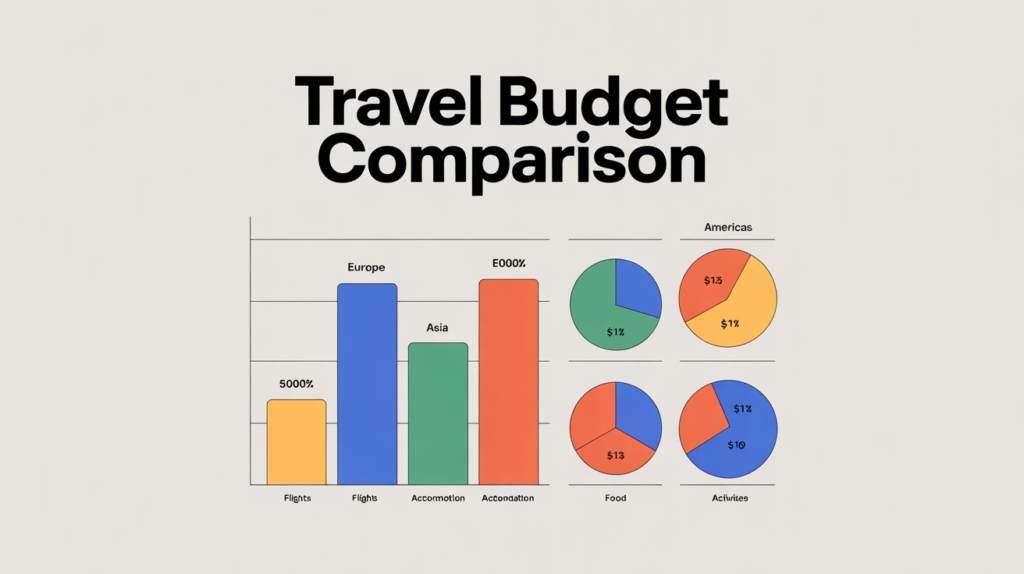
Planning a trip to Ireland or the UK can feel exciting, but one of the biggest questions travelers ask is simple: which destination is more affordable? I’ve spent time researching travel costs, comparing real traveler experiences, and looking at day-to-day expenses across both destinations. The truth is that both Ireland and the UK can fit different budgets, but the overall cost depends heavily on where you go, how you travel, and what kind of experience you want.
In this guide, I’ll break down the travel budget comparison between Ireland and the UK in detail. From accommodation and transportation to food, attractions, and hidden expenses, this article will help you decide which destination offers better value for your money.
Is Ireland or the UK More Expensive for Travelers?
In general, Ireland and the UK are both considered moderately expensive travel destinations compared to many European countries. However, the UK often offers more budget flexibility because it has a wider range of accommodation, transportation, and dining options.
Ireland, especially Dublin, can be surprisingly expensive for visitors. Hotel prices in Dublin are often among the highest in Europe during peak travel seasons. Smaller Irish towns are more affordable, but transportation between them may increase your overall costs.
The UK, on the other hand, has extremely expensive cities like London, but travelers can save money by visiting places such as Manchester, Liverpool, Glasgow, or Cardiff. Budget airlines, buses, and trains are also more competitive in the UK.
For most travelers:
- Budget travelers usually spend less in the UK.
- Mid-range travelers may find costs fairly similar.
- Luxury travelers will find both destinations expensive.
Average Daily Travel Budget in Ireland
Your travel style plays a major role in how much you spend in Ireland. Here’s a realistic breakdown:
Budget Traveler
A backpacker or budget traveler in Ireland can expect to spend around:
- Accommodation: €30–€60
- Food: €20–€35
- Transportation: €10–€25
- Attractions: €10–€20
Estimated daily total: €70–€140
Mid-Range Traveler
A traveler staying in hotels and eating at restaurants may spend:
- Accommodation: €120–€220
- Food: €40–€80
- Transportation: €20–€50
- Attractions: €20–€40
Estimated daily total: €200–€390
Luxury Traveler
Luxury travelers in Ireland can easily spend:
- Accommodation: €300+
- Fine dining: €100+
- Private tours and transportation: €100+
Estimated daily total: €500+
Dublin significantly raises the average travel budget in Ireland. If you focus on smaller towns like Galway, Kilkenny, or Killarney, your daily costs may decrease.
Average Daily Travel Budget in the UK
The UK has a wider range of pricing depending on location.
Budget Traveler
Budget travelers in the UK may spend:
- Accommodation: £25–£60
- Food: £15–£30
- Transportation: £10–£25
- Attractions: £10–£20
Estimated daily total: £60–£135
Mid-Range Traveler
Mid-range travel costs usually include:
- Accommodation: £100–£220
- Food: £35–£70
- Transportation: £15–£45
- Attractions: £20–£40
Estimated daily total: £170–£375
Luxury Traveler
Luxury travel in the UK can cost:
- Accommodation: £300+
- Dining: £100+
- Transportation and experiences: £100+
Estimated daily total: £500+
London is by far the most expensive area in the UK, but cities outside the capital are often cheaper than Dublin.
Accommodation Costs: Ireland vs UK
Accommodation is usually the biggest travel expense.
Hotels in Ireland
Ireland’s hotel prices have increased significantly in recent years. Dublin hotels are especially expensive during summer and weekends.
Typical prices:
- Hostel bed: €30–€50
- Budget hotel: €100–€180
- Mid-range hotel: €180–€300
- Luxury hotel: €350+
Popular tourist areas like Temple Bar or Galway City often charge premium rates.
Hotels in the UK
The UK has more variety, especially for budget travelers.
Typical prices:
- Hostel bed: £20–£45
- Budget hotel: £70–£150
- Mid-range hotel: £150–£280
- Luxury hotel: £350+
Outside London, travelers can often find affordable hotels and guesthouses.
Which Destination Has Cheaper Accommodation?
The UK generally offers better accommodation value, especially outside London. Ireland’s limited hotel supply often drives prices higher, particularly during peak tourism seasons.
Transportation Costs Comparison
Transportation costs can quickly affect your overall budget.
Getting Around Ireland
Ireland’s public transportation network is decent but limited compared to the UK.
Common costs include:
- Dublin bus/tram ride: €2–€3
- Intercity train ticket: €20–€60
- Car rental: €40–€120 per day
- Petrol costs: relatively high
Many travelers rent cars to explore scenic routes like the Wild Atlantic Way. While this offers flexibility, it also increases travel expenses.
Getting Around the UK
The UK has one of Europe’s largest rail and bus networks.
Typical costs:
- London Underground ride: £2–£5
- Intercity train: £20–£100
- Budget buses: £5–£25
- Domestic flights: often affordable
Booking trains early can save significant money in the UK.
Which Country Is Better for Transportation Value?
The UK usually wins because of:
- Better public transport coverage
- More competition among transport providers
- Cheaper long-distance bus options
- More budget airline connections
Ireland is easier to road trip, but fuel and rental prices can add up quickly.
Food Costs: Ireland vs UK
Food prices in Ireland and the UK are relatively similar, but Ireland can be slightly more expensive in tourist-heavy areas.
Eating in Ireland
Average prices:
- Coffee: €3–€5
- Casual meal: €12–€20
- Restaurant dinner: €25–€50
- Pint of beer: €6–€8
Traditional Irish pubs are fun experiences, but eating out daily can become costly.
Eating in the UK
Average prices:
- Coffee: £3–£5
- Casual meal: £10–£18
- Restaurant dinner: £20–£45
- Pint of beer: £5–£7
The UK has more supermarket meal deals, budget chains, and affordable takeaway options.
Which Country Is Cheaper for Food?
The UK is usually slightly cheaper for dining, especially outside London. Grocery shopping is also more affordable in many UK cities.
Attraction and Entertainment Costs
Both Ireland and the UK offer incredible attractions, but pricing structures differ.
Attractions in Ireland
Popular attractions often charge:
- Cliffs of Moher Visitor Centre: around €12–€15
- Guinness Storehouse: €26+
- Castles and museums: €8–€20
Ireland’s natural beauty is a major advantage because many scenic areas are free to visit.
Attractions in the UK
The UK has a strong advantage in free attractions.
Many famous museums in London are completely free, including:
- The British Museum
- National Gallery
- Natural History Museum
Paid attractions may cost:
- Tower of London: £30+
- Edinburgh Castle: £20+
- Football stadium tours: £20–£35
Which Destination Offers Better Value for Attractions?
The UK often provides better value because of its large number of free museums and galleries. Ireland’s scenery is stunning, but some major attractions charge higher entrance fees.
Cost of Visiting Dublin vs London
This is one of the most important comparisons because these capitals dominate tourism in both countries.
Dublin Travel Costs
Dublin is compact and easy to explore, but accommodation prices are very high.
Average daily costs in Dublin:
- Budget traveler: €100–€180
- Mid-range traveler: €250–€450
- Luxury traveler: €600+
London Travel Costs
London is famous for being expensive, but travelers have more choices.
Average daily costs in London:
- Budget traveler: £90–£170
- Mid-range traveler: £220–£450
- Luxury traveler: £600+
Which Capital Is More Expensive?
London can be more expensive overall, especially for transportation and attractions. However, Dublin’s hotel prices are often shockingly high compared to what you get.
Many travelers feel London offers better value because there are more free activities and accommodation choices.
Budget Road Trips: Ireland vs UK
Road trips are popular in both destinations.
Ireland Road Trip Costs
A typical Ireland road trip budget includes:
- Rental car: €50–€120 daily
- Fuel: expensive
- Parking: moderate
- Rural accommodation: varies by season
The scenic routes are incredible, but fuel prices can significantly raise your costs.
UK Road Trip Costs
A UK road trip may include:
- Rental car: £40–£100 daily
- Fuel: slightly cheaper than Ireland
- Parking: expensive in cities
- Tolls: limited compared to some European countries
Scotland and Wales are especially popular for budget-friendly scenic drives.
Backpacking Ireland vs Backpacking the UK
Backpackers often compare these destinations because both are English-speaking and relatively easy to navigate.
Backpacking Ireland
Pros:
- Friendly locals
- Beautiful scenery
- Easy to navigate
- Great pub culture
Cons:
- Limited hostel availability
- Expensive accommodation
- Public transport gaps in rural areas
Backpacking the UK
Pros:
- More hostels
- Better transportation
- More budget food options
- Large variety of cities
Cons:
- London can destroy a budget quickly
- Train tickets can become expensive without advance booking
For strict budget travelers, the UK is usually easier on the wallet.
Seasonal Price Differences
Travel timing makes a massive difference.
Peak Season
Peak season usually runs from June to August.
During this period:
- Hotel prices rise dramatically
- Flights become expensive
- Attractions are crowded
- Car rentals cost more
Ireland is especially expensive in summer because hotel supply is limited.
Off-Season Travel
Visiting during autumn, winter, or early spring can reduce costs significantly.
Advantages include:
- Cheaper flights
- Lower hotel prices
- Fewer tourists
- Better accommodation deals
The UK often offers better winter city-trip deals, while Ireland shines during scenic summer road trips.
Currency Differences and Exchange Rates
Ireland uses the euro (€), while the UK uses the British pound (£).
Exchange rates can heavily influence your overall budget.
The British pound is usually stronger than the euro, meaning travelers from many countries may find the UK slightly more expensive after currency conversion.
However, actual daily spending depends more on your travel style than currency differences alone.
Hidden Travel Costs to Consider
Many travelers focus only on hotels and flights, but smaller expenses matter too.
Hidden Costs in Ireland
- Car rental insurance
- Fuel costs
- Tourist attraction fees
- High weekend hotel prices
Hidden Costs in the UK
- London transport fares
- Train ticket pricing fluctuations
- Expensive airport transfers
- Congestion charges in some areas
Planning ahead helps reduce unexpected expenses in both destinations.
Tips to Save Money in Ireland
Here are practical ways to reduce your Ireland travel budget:
- Visit outside summer months
- Stay in guesthouses instead of hotels
- Book rental cars early
- Use buses instead of trains when possible
- Explore free natural attractions
- Avoid staying too long in Dublin
Small Irish towns often provide better value than the capital.
Tips to Save Money in the UK
You can save money in the UK by:
- Booking trains early
- Using coach buses for long distances
- Taking advantage of free museums
- Staying outside central London
- Using supermarket meal deals
- Traveling during shoulder season
Budget airlines can also make domestic travel surprisingly affordable.
Which Destination Is Better for Budget Travelers?
If your main goal is minimizing expenses, the UK generally offers more flexibility.
Reasons include:
- Larger range of budget accommodation
- Better transportation network
- More free attractions
- More competition among airlines and hotels
However, Ireland offers unique experiences that many travelers feel justify the higher prices.
The dramatic coastlines, charming villages, traditional music, and relaxed atmosphere create a memorable travel experience.
Which Destination Offers Better Overall Value?
The answer depends on what kind of trip you want.
Choose Ireland if you want:
- Scenic road trips
- Rural landscapes
- Traditional pub culture
- Smaller-town charm
- Outdoor adventures
Choose the UK if you want:
- Major cities and museums
- Better transportation
- More budget options
- Diverse regional experiences
- Easier multi-city travel
Personally, I think the UK provides better value for budget-conscious travelers, while Ireland delivers a more intimate and scenic experience that feels special despite the higher cost.
Final Thoughts
When comparing travel budgets between Ireland and the UK, neither destination is truly cheap. Both require careful planning, especially during peak tourist seasons.
The UK usually wins for affordability because travelers have more choices for transportation, accommodation, and free entertainment. Ireland, however, remains one of Europe’s most rewarding destinations for travelers who love scenery, road trips, and authentic local culture.
If your budget is tight, you may stretch your money further in the UK. But if Ireland has always been on your dream travel list, there are still plenty of ways to visit without overspending.
No matter which destination you choose, planning ahead, traveling during shoulder season, and staying flexible with accommodation can make a huge difference in your overall travel costs.

Hi, I’m Tanvir, the founder and author of Explore Ireland Now. With a deep love for Ireland and its rich culture, history, and landscapes, I created this site to share everything that makes this beautiful country worth exploring. Whether you’re a local looking for hidden gems or a traveler planning your next adventure, I provide insightful guides, tips, and recommendations to help you experience Ireland to the fullest.
From stunning landscapes to vibrant cities and quaint villages, Ireland is full of wonders waiting to be discovered. Through my personal experiences and research, I aim to bring you the most up-to-date information and inspiration for your journey.
Thank you for visiting Explore Ireland Now—I hope my content helps you uncover all that this incredible country has to offer! If you have any questions or need travel advice, feel free to reach out.