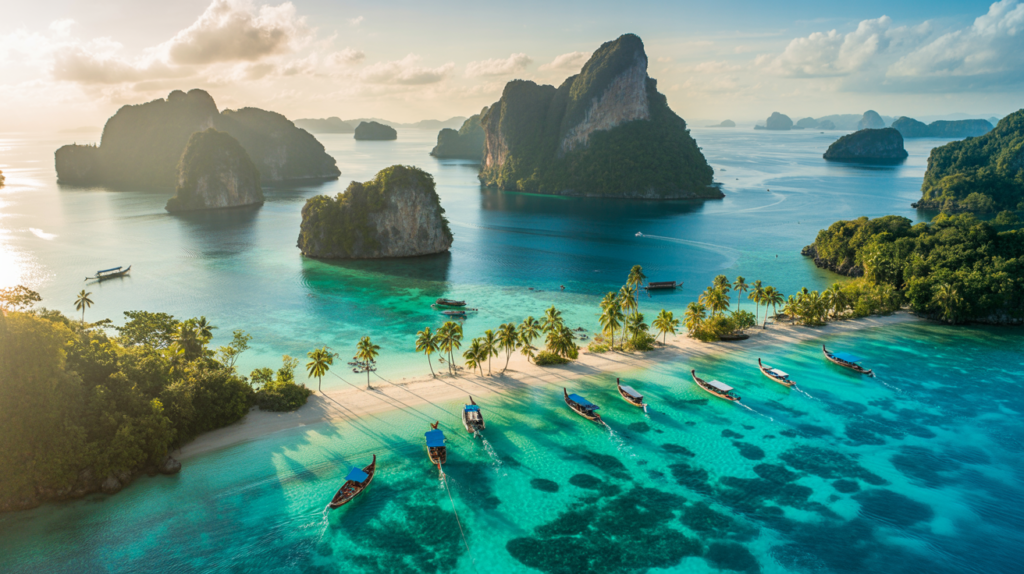
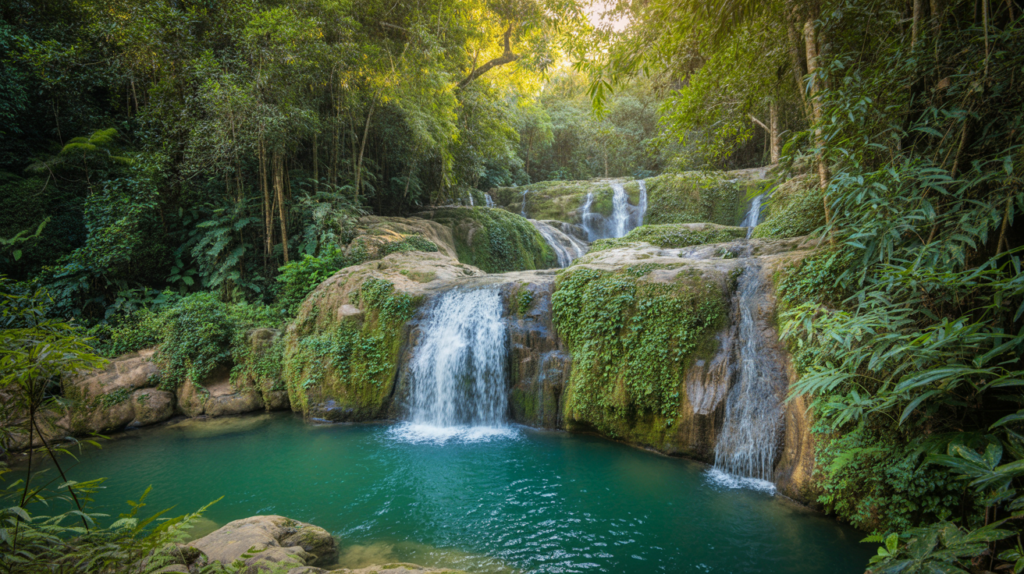
When most people think of Thailand, they imagine white-sand beaches, buzzing street markets, and golden temples. But there’s another side to this country that feels almost untouched—deep green jungles, misty mountains, and waterfalls that seem straight out of a dream.
I still remember the first time I stood in front of a Thai waterfall. The sound alone was powerful—water crashing over rocks, echoing through the forest. The air felt cooler, fresher. It was the kind of place where time slows down.
If you’re planning a trip and want something beyond the usual tourist spots, exploring waterfalls in Thailand is one of the best decisions you can make. In this guide, I’ll walk you through the most beautiful waterfalls in Thailand—some famous, some hidden—but all worth your time.
Why Waterfalls in Thailand Are So Special
Thailand’s geography plays a big role in its stunning waterfalls. With tropical rainforests, limestone mountains, and seasonal monsoon rains, the country is naturally designed for dramatic cascades.
What makes them truly unique isn’t just their beauty—it’s the experience around them.
You’re not just looking at a waterfall. You’re:
- Walking through jungle trails filled with birds and butterflies
- Swimming in cool, mineral-rich pools
- Climbing up natural rock steps
- Discovering quiet corners far from crowds
Every waterfall feels like a mini adventure.
1. Erawan Waterfall – The Iconic Seven-Tier Paradise
Erawan Waterfall is easily the most famous waterfall in Thailand—and once you visit, you’ll understand why.
It’s located inside Erawan National Park and stretches across seven levels, each with its own distinct pool and shape.
What makes it unforgettable is the water color. The pools have a bright turquoise-green shade that almost looks unreal. It’s caused by natural limestone deposits, and when sunlight hits the water, it glows.
The hike to the top takes about 1.5–2 hours if you go slowly. The lower levels are easy to access and perfect for swimming, while the upper tiers feel more adventurous and quieter.
My take:
If you only visit one waterfall in Thailand, make it this one. But go early in the morning to avoid crowds.
2. Huay Mae Khamin Waterfall – The Peaceful Alternative
Not far from Erawan, you’ll find Huay Mae Khamin—a waterfall that many travelers overlook.
Like Erawan, it also has seven tiers. But the experience feels completely different. It’s quieter, less crowded, and more relaxed.
Instead of rushing from level to level, you can actually take your time here—sit by the water, listen to the forest, and enjoy the calm atmosphere.
Why I love it:
It feels more “natural” and less touristy. If you prefer peaceful places, this might be your favorite.
3. Thi Lo Su Waterfall – The Giant of Thailand
Thi Lo Su is not just a waterfall—it’s a spectacle.
Hidden deep inside the Umphang Wildlife Sanctuary, this is considered the largest waterfall in Thailand. Standing in front of it feels overwhelming in the best way possible.
Water pours down a massive rock face in multiple streams, creating a roaring sound that you can hear from far away.
Getting here isn’t easy. It usually involves a long drive and sometimes a rough journey. But that’s part of the adventure.
My take:
If you’re someone who loves off-the-beaten-path travel, this is a must.
4. Mae Ya Waterfall – A Photographer’s Dream
Located inside Doi Inthanon National Park, Mae Ya Waterfall is one of the most visually stunning in northern Thailand.
Instead of a narrow drop, the water spreads across a wide rock surface, creating a layered curtain effect. It’s especially beautiful after rainfall when the flow becomes stronger.
The area around it is peaceful, and there’s plenty of space to sit and take in the view.
Best for:
Photography, relaxation, and nature lovers.
5. Na Muang Waterfalls – Island Jungle Escape
When you think of Koh Samui, waterfalls might not be the first thing that comes to mind—but Na Muang proves otherwise.
There are two main waterfalls here:
- Na Muang 1 – easy to reach and great for swimming
- Na Muang 2 – requires a short hike but offers a better view
The dark purple rocks around the waterfall give it a unique appearance, which is how it got its name (“Na Muang” means “purple face”).
My experience:
It’s the perfect break from beach hopping. One moment you’re on the coast, the next you’re in a jungle.
6. Sai Yok Noi Waterfall – The Easiest to Visit
Not all waterfalls require long hikes. Sai Yok Noi is one of the most accessible waterfalls in Thailand.
Located near the road inside Sai Yok National Park, you can reach it within minutes.
It’s not the biggest waterfall, but it’s beautiful in its own way—especially during the rainy season when the flow increases.
Best for:
Quick visits, families, and travelers short on time.
7. Khun Korn Waterfall – A Rewarding Hike
If you enjoy a bit of trekking, Khun Korn Waterfall is worth the effort.
The hike takes about 30–45 minutes through a forest trail. Along the way, you’ll pass bamboo groves, streams, and dense greenery.
At the end, you’re rewarded with a tall, powerful waterfall dropping from a height of around 70 meters.
My take:
It’s not just about the waterfall—the journey itself is part of the experience.
8. Pha Charoen Waterfall – The Unique Multi-Tier Wonder
Pha Charoen is unlike any other waterfall in Thailand.
Instead of one big drop, it consists of dozens of small cascading layers that stretch across the landscape. It almost looks like a natural staircase made of water.
It’s not as powerful as others, but it’s incredibly beautiful and peaceful.
Perfect for:
Relaxation, quiet time, and scenic photography.
Best Time to Visit Waterfalls in Thailand
Timing your visit can make a big difference.
Rainy Season (June – October)
This is when waterfalls are at their strongest. The flow is powerful, and the surrounding jungle is lush and green. However, trails can be slippery.
Cool Season (November – February)
This is the most comfortable time to visit. The weather is pleasant, and water levels are still good.
Hot Season (March – May)
Some waterfalls may have reduced flow, but it’s still a great time for swimming.
Tips for Visiting Waterfalls
From my experience, a few simple tips can make your trip much better:
- Start early: Avoid crowds and enjoy cooler weather
- Wear proper shoes: Trails can be slippery
- Bring water and snacks: Some locations are remote
- Carry swimwear: You’ll definitely want to jump in
- Respect nature: Don’t leave trash behind
Which Waterfall Should You Choose?
If you’re short on time, here’s a quick guide:
- First-time visitors → Erawan Waterfall
- Peaceful experience → Huay Mae Khamin
- Adventure seekers → Thi Lo Su
- Photography lovers → Mae Ya
- Easy access → Sai Yok Noi
- Hiking + nature → Khun Korn
Final Thoughts
Exploring waterfalls in Thailand is more than just sightseeing—it’s about connecting with nature in a way that feels refreshing and real.
Each waterfall tells a different story. Some are loud and powerful, others are quiet and calming. Some require effort to reach, while others welcome you right away.
But they all have one thing in common—they leave you with a sense of wonder.
If you ever feel overwhelmed by busy cities or crowded beaches, just head toward the mountains or forests. Somewhere in Thailand, there’s a waterfall waiting for you.
And trust me—it’s worth the journey.

Hi, I’m Tanvir, the founder and author of Explore Ireland Now. With a deep love for Ireland and its rich culture, history, and landscapes, I created this site to share everything that makes this beautiful country worth exploring. Whether you’re a local looking for hidden gems or a traveler planning your next adventure, I provide insightful guides, tips, and recommendations to help you experience Ireland to the fullest.
From stunning landscapes to vibrant cities and quaint villages, Ireland is full of wonders waiting to be discovered. Through my personal experiences and research, I aim to bring you the most up-to-date information and inspiration for your journey.
Thank you for visiting Explore Ireland Now—I hope my content helps you uncover all that this incredible country has to offer! If you have any questions or need travel advice, feel free to reach out.