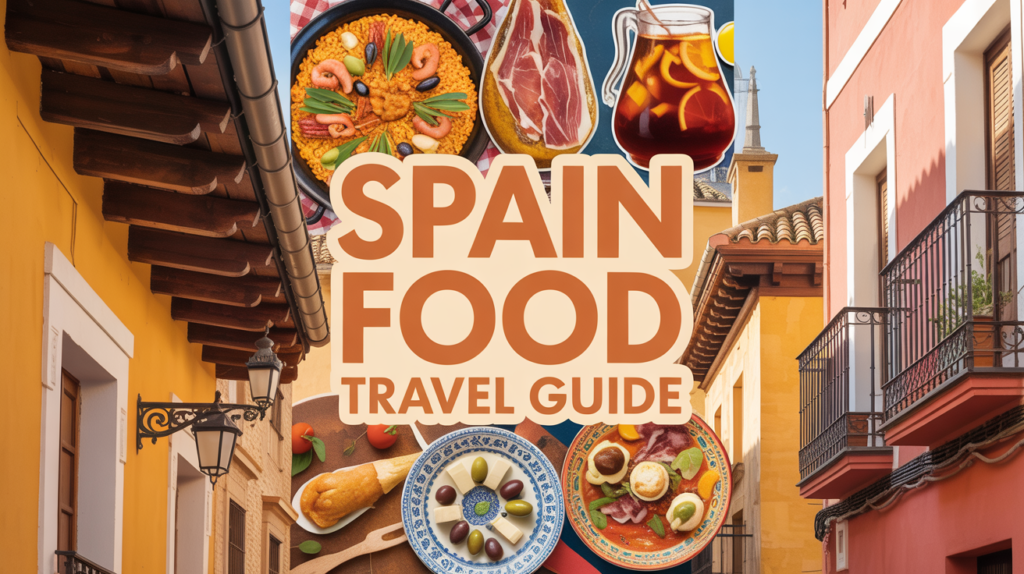
Spain isn’t just a country you visit—it’s a place you taste. From sizzling street food to elegant regional dishes, every bite tells a story shaped by history, geography, and culture. If you’re planning a trip to Spain, this food travel guide will help you explore its rich culinary landscape like a local.
Whether you’re wandering through the lively streets of Barcelona, enjoying tapas in Madrid, or relaxing by the coast in Valencia, Spain’s food scene promises unforgettable flavors.
Why Spain Is a Food Lover’s Paradise
Spanish cuisine is built on simplicity, fresh ingredients, and bold flavors. Olive oil, garlic, tomatoes, seafood, and cured meats are staples. What makes Spain special is how each region adds its own twist.
Unlike many countries, Spain doesn’t have just one “national cuisine”—it has dozens of regional specialties. Food here is also deeply social. Meals are long, relaxed, and meant to be shared.
Must-Try Spanish Dishes
1. Paella – Spain’s Iconic Rice Dish
No trip to Spain is complete without trying Paella. Originally from Valencia, this dish combines rice with saffron, vegetables, and either seafood, chicken, or rabbit.
Tip:
Avoid tourist traps. Authentic paella is usually served at lunchtime, not dinner.
2. Tapas – Small Plates, Big Flavor
Tapas are the heart of Spanish dining culture. These small dishes range from simple olives to complex seafood creations.
Popular tapas include:
- Patatas Bravas (fried potatoes with spicy sauce)
- Croquetas (crispy bites filled with ham or cheese)
- Gambas al Ajillo
In cities like Seville, hopping from bar to bar for tapas is a must-do experience.
3. Jamón Ibérico – Spain’s Famous Cured Ham
Jamón Ibérico is one of Spain’s most prized foods. Made from Iberian pigs, it’s rich, nutty, and melts in your mouth.
You’ll find it everywhere—from markets to high-end restaurants.
4. Tortilla Española – Spanish Omelette
This thick omelette made with eggs, potatoes, and onions is a staple in every Spanish household.
Tortilla Española is simple but incredibly satisfying—perfect for breakfast, lunch, or a snack.
5. Gazpacho – Refreshing Cold Soup
In hot regions like Andalusia, Gazpacho is a lifesaver. Made from tomatoes, peppers, garlic, and olive oil, it’s served chilled.
6. Churros with Chocolate – Sweet Treat
For dessert, try Churros dipped in thick hot chocolate. It’s especially popular in Madrid.
Regional Food Highlights
Catalonia (Barcelona)
In Barcelona, expect creative cuisine with Mediterranean influence.
Must-try dishes:
- Pa amb tomàquet
- Seafood dishes with fresh coastal flavors
Madrid
Madrid offers a mix of traditional and modern cuisine.
Try:
- Cocido Madrileño
- Classic tapas bars
Valencia
The birthplace of Paella, Valencia is a must-visit for food lovers.
Basque Country
In Basque Country, food is elevated to an art form.
Try:
- Pintxos
- Michelin-star dining in San Sebastián
Andalusia
Southern Spain, including Seville, is known for:
- Fried seafood
- Gazpacho
- Flamenco culture paired with food
Best Food Experiences in Spain
1. Tapas Bar Hopping
One of the best ways to explore Spanish cuisine is by hopping between tapas bars. Order a drink, get a small plate, and move on.
2. Visit Local Markets
Markets are the soul of Spanish food culture.
Famous ones include:
- La Boqueria in Barcelona
- Mercado de San Miguel in Madrid
Here, you can sample fresh seafood, cheeses, fruits, and local dishes.
3. Food Tours
Guided food tours help you discover hidden gems and learn about Spanish culinary traditions.
Spanish Dining Culture Tips
1. Eat Late
Spaniards eat later than most countries:
- Lunch: 2–4 PM
- Dinner: 9–11 PM
2. Don’t Rush
Meals are meant to be enjoyed slowly. Take your time.
3. Share Your Food
Sharing dishes is common, especially with tapas.
4. Learn Basic Food Phrases
Knowing a few Spanish words helps:
- “Una cerveza, por favor” (One beer, please)
- “La cuenta” (The bill)
Budget vs Luxury Food Options
Budget-Friendly
- Tapas bars
- Street food
- Local bakeries
You can eat well in Spain without spending much.
Mid-Range
- Casual restaurants
- Seafood spots
- Family-run eateries
Luxury Dining
Spain is home to world-famous chefs like Ferran Adrià.
High-end dining offers:
- Tasting menus
- Innovative cuisine
- Michelin-star experiences
What to Drink in Spain
1. Sangria
Sangria is a refreshing mix of wine, fruit, and spices.
2. Spanish Wine
Try reds from La Rioja or sparkling Cava from Catalonia.
3. Coffee Culture
Coffee is strong and widely enjoyed throughout the day.
When to Visit for Food Lovers
Spring (March–May)
Fresh produce and mild weather.
Summer (June–August)
Great for coastal food but very hot.
Fall (September–November)
Harvest season—perfect for wine and festivals.
Winter (December–February)
Hearty dishes and fewer tourists.
Common Food Mistakes to Avoid
- Ordering paella at night (tourist trap)
- Eating only in tourist areas
- Skipping local specialties
- Not making reservations for popular spots
Personal Insight: What Makes Spanish Food Special
From my experience, what truly sets Spain apart is not just the food—it’s the feeling around it. Sitting in a small plaza, sharing tapas, and watching life go by creates memories that go far beyond taste.
Spanish cuisine teaches you to slow down, enjoy the moment, and connect with people.
Final Thoughts
A trip to Spain is a journey through flavors, traditions, and cultures. From the rich taste of Paella to the simple joy of Churros, every meal tells a story.
If you’re a food lover, Spain should be at the top of your travel list.

Hi, I’m Tanvir, the founder and author of Explore Ireland Now. With a deep love for Ireland and its rich culture, history, and landscapes, I created this site to share everything that makes this beautiful country worth exploring. Whether you’re a local looking for hidden gems or a traveler planning your next adventure, I provide insightful guides, tips, and recommendations to help you experience Ireland to the fullest.
From stunning landscapes to vibrant cities and quaint villages, Ireland is full of wonders waiting to be discovered. Through my personal experiences and research, I aim to bring you the most up-to-date information and inspiration for your journey.
Thank you for visiting Explore Ireland Now—I hope my content helps you uncover all that this incredible country has to offer! If you have any questions or need travel advice, feel free to reach out.