
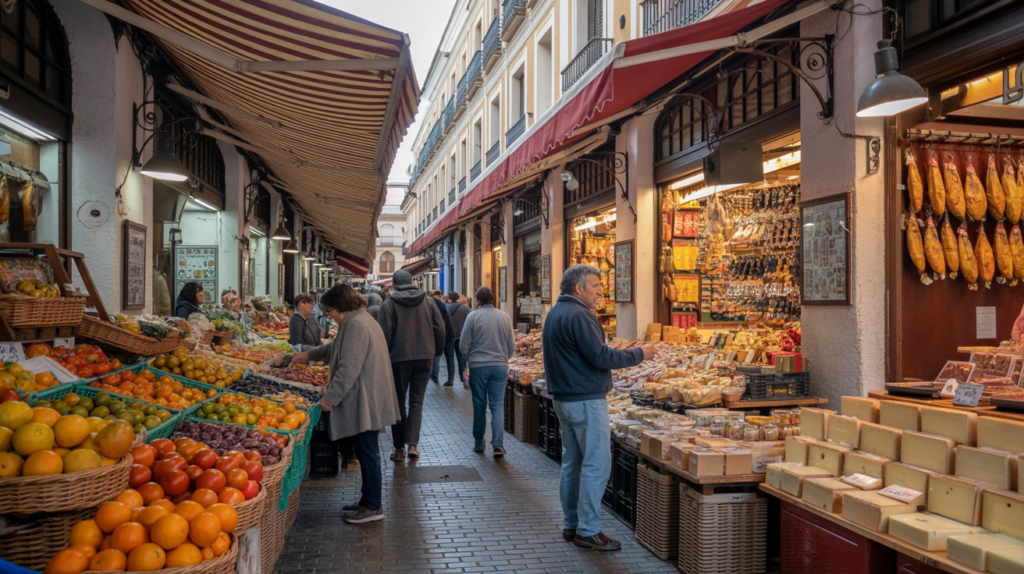
When you think of Spain, images of flamenco, sunny beaches, and historic cities probably come to mind. But if you really want to understand the country, you need to explore its markets.
Spanish markets are more than just places to buy food or souvenirs—they are vibrant spaces filled with life, tradition, and flavor. Locals shop here daily, chefs source their ingredients, and travelers get a true taste of Spanish culture.
From modern gourmet halls to centuries-old street markets, Spain offers a wide range of market experiences. In this guide, I’ll take you through the best markets in Spain, along with tips and insights to help you make the most of your visit.
What Makes Spanish Markets So Unique?
Unlike typical supermarkets, Spanish markets are deeply personal and community-driven. Vendors often specialize in one type of product—fresh fish, cured meats, cheeses, or seasonal fruits—and they take pride in their quality.
Many markets are located in historic buildings, some dating back hundreds of years. Over time, they’ve evolved into lively hubs where shopping meets dining and socializing.
Here’s what sets them apart:
- Fresh, locally sourced products
- Strong cultural traditions
- A mix of old and modern experiences
- Opportunities to taste authentic Spanish cuisine
Whether you’re walking through a coastal seafood market or a busy city food hall, each visit feels different and exciting.
1. Mercado de San Miguel – Madrid
Right in the heart of Madrid, this market is one of the most popular in the country—and for good reason.
Housed in a stunning iron-and-glass structure, Mercado de San Miguel offers a refined yet lively atmosphere. Instead of traditional grocery shopping, this market focuses on ready-to-eat gourmet food.
Why It Stands Out
- Stylish setting with a historic feel
- A wide variety of small dishes (tapas)
- Perfect for sampling different Spanish flavors
What You Should Try
- Fresh seafood dishes
- Iberian ham
- Local wines and desserts
In my experience, this market feels more like a social gathering spot than a shopping destination. It’s especially lively in the evening when both locals and tourists come together to eat and relax.
2. La Boqueria – Barcelona
Located along the famous La Rambla, La Boqueria is one of the most iconic markets in Europe.
As soon as you enter, you’re greeted by a burst of colors, aromas, and sounds. From neatly arranged fruit displays to freshly cooked meals, it’s a sensory experience like no other.
Highlights
- Massive selection of food stalls
- Fresh juices and smoothies
- Seafood cooked right in front of you
My Tip
Visit early in the morning to avoid crowds and enjoy a more relaxed experience.
Even though it’s very popular with tourists, La Boqueria still delivers an unforgettable glimpse into Spanish food culture.
3. Mercado Central de Valencia – Valencia
If you appreciate architecture as much as food, this market will impress you instantly.
Situated in Valencia, this market is one of the largest in Europe and features beautiful domes, stained glass windows, and intricate designs.
Why You’ll Love It
- Stunning historic building
- Huge variety of fresh products
- Authentic local atmosphere
Unlike more tourist-heavy markets, this one feels genuinely local. You’ll see residents doing their daily shopping, which makes the experience more real and immersive.
4. El Rastro – Madrid
For something completely different, head to El Rastro—Madrid’s most famous open-air market.
Held every Sunday, this market stretches across several streets and offers everything from antiques to clothing.
What Makes It Fun
- Treasure-hunting experience
- Lively street atmosphere
- Endless variety of items
This isn’t just a place to shop—it’s an experience. Street performers, food vendors, and crowds create an energetic vibe that’s hard to forget.
5. Mercado de la Ribera – Bilbao
In the heart of Bilbao, this market is a paradise for food lovers.
Spread across multiple floors, Mercado de la Ribera combines traditional market stalls with modern dining spaces.
What You’ll Find
- Fresh seafood and meats
- Local Basque specialties
- Sit-down dining areas
The quality of food here is exceptional, especially if you enjoy seafood. It’s a great place to both shop and eat in one visit.
6. Mercado de Abastos – Galicia
If you prefer a quieter, more authentic experience, this market is a fantastic choice.
Located in Santiago de Compostela, Mercado de Abastos is known for its fresh, high-quality products—especially seafood.
Why It’s Special
- Less crowded and more local
- Strong traditional feel
- Excellent seafood
You won’t find as many tourists here, which makes it perfect for experiencing everyday Spanish life.
7. Alcaicería – Granada
Step into a completely different world at Alcaicería in Granada.
This market reflects Spain’s Moorish past, with narrow alleys and shops selling handmade goods.
What to Expect
- Artisan crafts and souvenirs
- Unique architecture
- A historic shopping atmosphere
It feels more like a traditional bazaar than a modern market, making it a unique stop on your journey.
8. Santa Caterina Market – Barcelona
Often overlooked, Santa Caterina Market offers a more relaxed alternative to La Boqueria.
Why Visit
- Colorful and modern design
- Fewer crowds
- High-quality local produce
If you want a quieter experience in Barcelona, this is a great option.
9. Els Encants – Barcelona
One of the oldest markets in Europe, Els Encants is perfect for those who love vintage finds.
What You’ll Discover
- Antiques and collectibles
- Second-hand treasures
- Auction-style sales
It’s a fascinating place where you never know what you might find.
10. Mercado Central de Alicante – Alicante
This market is a favorite among locals and offers a more traditional experience.
What Makes It Worth Visiting
- Fresh and affordable products
- Friendly atmosphere
- Less touristy environment
It’s ideal if you want to see how locals shop and eat on a daily basis.
Different Types of Markets in Spain
Spain’s markets come in many forms, each offering something unique:
Food Markets
These are the most common, focusing on fresh produce, meats, and seafood.
Street Markets
Usually held weekly, these markets are great for clothes, crafts, and souvenirs.
Flea Markets
Perfect for antiques and second-hand items.
Gourmet Markets
Modern spaces where food stalls serve ready-to-eat dishes.
Tips for Visiting Markets in Spain
To make the most of your experience, keep these tips in mind:
Go Early for Freshness
Morning visits offer the best products and fewer crowds.
Bring Cash
Not all vendors accept cards, especially in smaller markets.
Try Before You Buy
Many stalls offer samples—don’t hesitate to taste.
Learn a Few Spanish Words
Simple phrases can go a long way in making your experience more enjoyable.
Explore Beyond the Main Areas
Some of the best stalls are hidden in quieter corners.
Why You Should Visit Markets in Spain
Markets give you something that restaurants and tourist attractions often can’t—authenticity.
They allow you to:
- Taste real, local food
- Interact with locals
- Experience daily life
- Discover regional specialties
In my opinion, visiting a market is one of the easiest ways to connect with Spanish culture on a deeper level.
Final Thoughts
Spain’s markets are lively, colorful, and full of character. Each one tells a story—not just about food, but about the people and traditions behind it.
Whether you’re enjoying tapas in Madrid, exploring fresh produce in Valencia, or hunting for antiques in Barcelona, these markets offer unforgettable experiences.
If you’re planning a trip to Spain, make sure markets are part of your itinerary. They might just become your favorite part of the journey.

Hi, I’m Tanvir, the founder and author of Explore Ireland Now. With a deep love for Ireland and its rich culture, history, and landscapes, I created this site to share everything that makes this beautiful country worth exploring. Whether you’re a local looking for hidden gems or a traveler planning your next adventure, I provide insightful guides, tips, and recommendations to help you experience Ireland to the fullest.
From stunning landscapes to vibrant cities and quaint villages, Ireland is full of wonders waiting to be discovered. Through my personal experiences and research, I aim to bring you the most up-to-date information and inspiration for your journey.
Thank you for visiting Explore Ireland Now—I hope my content helps you uncover all that this incredible country has to offer! If you have any questions or need travel advice, feel free to reach out.