
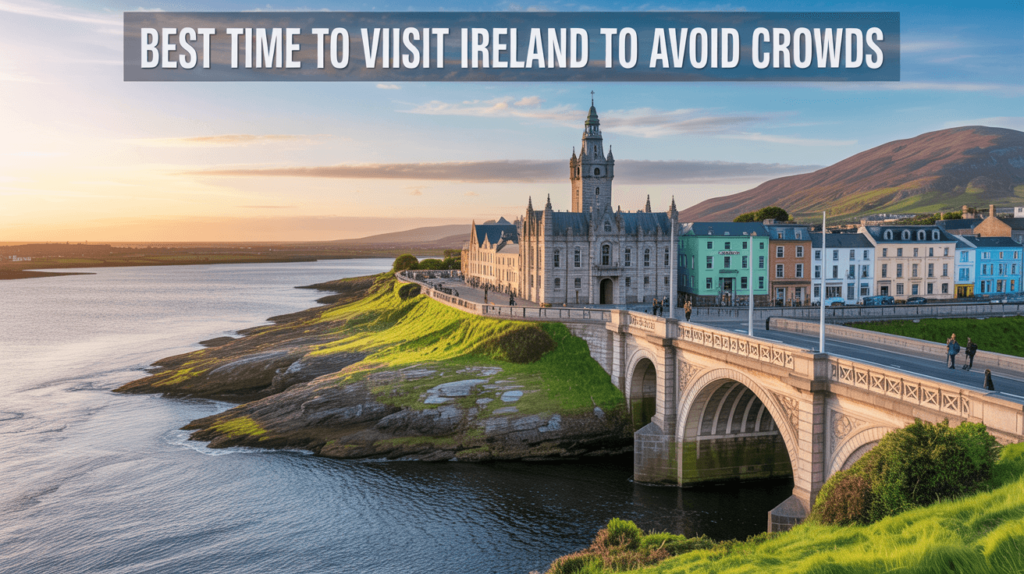
Ireland is one of those places that steals your heart the moment you arrive. The rolling green hills, dramatic coastlines, lively pub music, and welcoming locals make it feel almost magical. But if you’ve ever visited during peak summer, you’ll know that the crowds can sometimes get in the way of that charm. I still remember standing at the Cliffs of Moher one July afternoon, shoulder-to-shoulder with busloads of tourists—it was breathtaking, yes, but I couldn’t help wishing for a quieter moment to just take it all in.
That experience taught me that timing is everything when it comes to exploring Ireland. Visiting at the right time not only means fewer crowds but also a chance to experience the country at a slower, more authentic pace. Whether it’s enjoying a quiet stroll through Killarney National Park, having an entire beach along the Wild Atlantic Way to yourself, or chatting with locals in a cozy pub without feeling rushed, choosing the right season makes a huge difference.
In this guide, I’ll walk you through the best times to visit Ireland if you want to avoid the hustle and bustle of peak tourism—while still making the most of the country’s beauty and charm.
Understanding Ireland’s Tourism Seasons
Ireland’s travel experience can feel very different depending on the season. Weather, daylight, and crowd levels all shift throughout the year, and knowing what to expect can help you choose the best time for your trip. Here’s a breakdown:
| Season | Months | Weather & Daylight | Crowds | Costs | What to Expect |
|---|---|---|---|---|---|
| 🌞 Peak Season | June – August | Warmest weather (15–20°C), long days (up to 16–18 hours of daylight) | Very busy at top attractions, packed tour buses | Highest prices for flights & hotels | Buzzing festivals, lively atmosphere, but long queues and crowded roads |
| 🌸 Shoulder Season | April – May & September – October | Mild temps (10–16°C), decent daylight | Moderate—fewer tourists than summer | Better deals on accommodation and flights | Blooming spring flowers or autumn colors, quieter trails and pubs |
| 🍂 Off-Season | November – March | Cooler (4–10°C), shorter days, more rain | Minimal crowds | Lowest travel costs | Peaceful sights, cozy pub vibes, fewer tours running; some attractions may have reduced hours |
If you’re looking for the perfect balance between good weather and fewer crowds, the shoulder season (spring and autumn) is usually the best choice. The off-season has its own charm too—especially if you enjoy slower travel and don’t mind packing a warm coat.
Best Months to Visit Ireland Without Crowds
If your goal is to experience Ireland without the heavy summer crowds, the shoulder months are your best bet. These times of year strike a balance between good weather, lighter foot traffic, and affordable travel costs. Let’s take a closer look at the standout months:
🌸 April – Spring Awakens
April is when Ireland begins to bloom back to life after winter. You’ll see fresh greenery, wildflowers starting to appear, and longer daylight hours for exploring. Tourist crowds are still light, making it easier to enjoy popular attractions like the Cliffs of Moher or Blarney Castle at your own pace. It’s also lambing season in the countryside, which adds a special charm if you’re driving through rural areas.
🌼 May – Longer Days, Perfect Balance
May is one of the best months to visit Ireland, hands down. The weather is pleasant (though still unpredictable, as always in Ireland), and daylight stretches well into the evening. While the summer rush hasn’t arrived yet, most attractions and tours are fully operational. You can hike in Killarney National Park, take a road trip along the Wild Atlantic Way, or enjoy city life in Dublin without battling massive crowds.
🍂 September – Calm After the Summer Rush
Once the August rush winds down, September brings a calmer rhythm to Ireland. The weather remains mild, with plenty of opportunities for outdoor adventures like hiking, cycling, and coastal drives. Vineyards and gardens are in full color, and you’ll often find smaller crowds at iconic destinations. I’ve always found September to be one of the best times for road trips—less traffic, more relaxed locals, and plenty of room to breathe at famous viewpoints.
🍁 October – Autumn Colors and Cozy Vibes
October is ideal for travelers who want to experience Ireland at a slower, more atmospheric pace. The autumn foliage paints the countryside in gold and red, making scenic drives especially beautiful. Crowds are very light, and cozy evenings in traditional pubs feel even more inviting as the evenings grow cooler. While daylight hours are shorter, the trade-off is having Ireland’s most famous spots feel more intimate and personal.
👉 In short: April, May, September, and October are the golden months for enjoying Ireland with fewer crowds while still making the most of its beauty, culture, and hospitality.
Places Where Crowds Matter Most
While Ireland is full of hidden gems where you might not see another soul for hours, some of its most famous landmarks can feel overwhelming during peak season. Knowing when to go—and sometimes how to go—can make all the difference in how much you enjoy them.
🌊 Cliffs of Moher
One of Ireland’s most iconic sights, the Cliffs of Moher can attract thousands of visitors a day in summer. Tour buses often arrive mid-morning and early afternoon, which means the walkways and viewing platforms get congested. Visiting in spring or autumn is far more relaxed, and if you go early in the morning or near sunset, you might even have stretches of the cliffs to yourself.
🍺 Dublin City & Guinness Storehouse
Dublin is lively year-round, but during June–August the city center can feel especially packed with international visitors, particularly around Temple Bar and at the Guinness Storehouse. To enjoy a calmer experience, shoulder-season visits are best. Even in peak months, try weekday mornings to skip the busiest crowds.
🚗 Ring of Kerry & Dingle Peninsula
The Ring of Kerry and Dingle Peninsula are among Ireland’s most scenic drives, but in peak summer, traffic jams and crowded viewpoints can take away from the magic. Traveling these routes in April, May, September, or October allows for smoother drives, easier parking, and fewer photo stops clogged with tour buses.
🌲 Killarney National Park
During the summer, popular trails, Muckross House, and Ross Castle can get busy with day-trippers. Visiting in the quieter seasons means you’ll have a better chance of hearing the park’s natural sounds—birds, waterfalls, and the wind through the trees—without the background chatter of large groups.
🪨 Giant’s Causeway
Located in Northern Ireland, the Giant’s Causeway is another bucket-list spot that draws big crowds in summer. Visiting in the shoulder season (or simply arriving early morning or late afternoon) transforms the experience from a tourist-packed site to a serene natural wonder.
✍️ Travel Tip: For all of these popular spots, your timing within the day matters just as much as the month. Early mornings and late evenings often give you the chance to experience them almost as if they were your own private discovery.
Tips for Avoiding Crowds Year-Round
Even if your travel dates fall during busier times, there are plenty of ways to enjoy Ireland without feeling overwhelmed by the tourist rush. A little planning and a few smart choices can make a big difference in your experience.
1. Visit Early or Late in the Day
Most tour buses and group trips arrive at major attractions between 10 a.m. and 3 p.m. If you can, plan your visits for early morning or late afternoon. Not only will you avoid the busiest times, but you’ll also enjoy softer light for photography—especially at places like the Cliffs of Moher or Giant’s Causeway.
2. Travel on Weekdays
Weekends often bring both international visitors and local day-trippers to popular sites. By scheduling your visits midweek, you’ll find quieter roads, fewer lines, and more space to yourself.
3. Explore Lesser-Known Alternatives
Ireland has no shortage of breathtaking spots that don’t make it onto every tourist’s itinerary. For example:
- Slieve League Cliffs in Donegal offer jaw-dropping views without the Cliffs of Moher crowds.
- Beara Peninsula is just as stunning as the Ring of Kerry but far less busy.
- Glendalough’s Upper Lake is quieter than the lower valley, especially outside weekends.
4. Stay in Smaller Towns
Instead of basing yourself in big tourist hubs like Dublin or Killarney, consider smaller towns and villages. Places like Dingle, Westport, or Kilkenny still give you easy access to major sights but with a calmer, more authentic vibe.
5. Use Local Guides
Hiring a local guide or joining a small-group tour often means access to less-visited routes, hidden gems, and insider knowledge on the best times to see popular attractions. It also supports local communities, which adds to the positive impact of your trip.
6. Travel Off the Beaten Path
Some of the best experiences in Ireland come when you wander beyond the guidebook highlights. Coastal drives, small fishing villages, forest walks, and castle ruins off the main tourist trail often end up being the most memorable parts of a trip.
Frequently Asked Questions About Visiting Ireland Without Crowds
Q: What is the best month to go to Ireland?
A: May and September are often considered the best months to visit. You’ll get mild weather, longer daylight hours, and fewer crowds compared to the busy summer season.
Q: What months are best to avoid crowds in Ireland?
A: The shoulder seasons—April, May, September, and October—are the ideal times if you want to experience Ireland without heavy tourist crowds.
Q: How to avoid tourist crowds in Ireland?
A: Visit popular attractions early in the morning or late in the afternoon, travel on weekdays, explore lesser-known alternatives like Slieve League instead of the Cliffs of Moher, and consider staying in smaller towns instead of major tourist hubs.
Q: What are the most expensive months to visit Ireland?
A: June through August are the peak tourist months. Flights, hotels, and car rentals are at their highest prices, and popular attractions are the busiest.
Q: Are there any travel times to avoid in Ireland?
A: If you dislike crowds, try to avoid July and August when international tourism peaks. St. Patrick’s Day in mid-March is also very busy, especially in Dublin, as thousands of visitors arrive for the celebrations.
Q: What not to do in Ireland as a tourist?
A: Avoid rushing through Ireland only visiting the most famous spots—there’s so much more to see beyond Dublin and the Cliffs of Moher. Don’t expect perfect weather (always pack for rain), and remember that driving is on the left side of the road. Also, try not to skip local etiquette—politeness and a friendly attitude go a long way.
Q: Is it safe to walk around Ireland at night?
A: Yes, Ireland is generally very safe for tourists. Cities like Dublin, Galway, and Cork have lively nightlife, and walking around is usually safe. As with any destination, it’s best to stick to well-lit areas, avoid excessive drinking, and keep an eye on your belongings.
Conclusion
Ireland is a country that shines in every season, but when it comes to avoiding crowds, timing really does make all the difference. By planning your trip for the shoulder months—April, May, September, or October—you’ll enjoy a perfect balance of fewer tourists, reasonable prices, and Ireland’s natural beauty at its best.
Whether it’s standing at the edge of the Cliffs of Moher without jostling for space, driving the Ring of Kerry at your own pace, or enjoying a quiet pint in a local pub, traveling outside of peak season allows you to experience Ireland more intimately. I’ve found that these quieter moments are often the most memorable—when you can hear the ocean crashing against the cliffs, walk through a historic castle without a rush, or strike up a genuine conversation with locals.
At the end of the day, Ireland’s magic isn’t tied to the size of the crowd or even the weather—it’s in the landscapes, the stories, and the warmth of the people. Choosing the right time simply helps you experience that magic more fully, in a way that feels personal and unhurried.
So if you’re dreaming of Ireland, consider planning your trip just outside the summer rush. Trust me—you’ll discover a side of the Emerald Isle that feels all the more special for being shared with fewer people.

Hi, I’m Tanvir, the founder and author of Explore Ireland Now. With a deep love for Ireland and its rich culture, history, and landscapes, I created this site to share everything that makes this beautiful country worth exploring. Whether you’re a local looking for hidden gems or a traveler planning your next adventure, I provide insightful guides, tips, and recommendations to help you experience Ireland to the fullest.
From stunning landscapes to vibrant cities and quaint villages, Ireland is full of wonders waiting to be discovered. Through my personal experiences and research, I aim to bring you the most up-to-date information and inspiration for your journey.
Thank you for visiting Explore Ireland Now—I hope my content helps you uncover all that this incredible country has to offer! If you have any questions or need travel advice, feel free to reach out.

