
There’s something truly magical about exploring Ireland on foot. I’ve often found that walking here feels less like exercise and more like a journey into another world—where the air is fresher, the landscapes seem endless, and every path has a story to tell.
Whether it’s the salty breeze along a rugged cliff edge, the quiet calm of an old woodland trail, or the challenge of climbing a mountain with views that take your breath away, Ireland offers walking routes for every kind of explorer. Some walks are short and sweet, perfect for a Sunday afternoon, while others can take days to complete, letting you fully immerse yourself in the beauty of the countryside.
What I love most is that walking in Ireland connects you not just with nature, but also with history and tradition. You might pass ancient monasteries in Glendalough, follow the footsteps of pilgrims up Croagh Patrick, or simply wander through fields dotted with stone walls and sheep. Each step feels like part of a bigger story.
In this guide, I’ll share some of the best walking routes in Ireland—from world-famous coastal trails to hidden gems I’ve come to love. Whether you’re planning your first Irish walk or looking for new inspiration, these routes will give you a real taste of what makes the Emerald Isle so special.
Top Walking Routes in Ireland
1. Cliffs of Moher Coastal Walk
Location: County Clare
Route Description:
A linear coastal trail that runs between Liscannor and Doolin, hugging the edge of Ireland’s most famous cliffs. The path is rugged with grassy, stony, and uneven terrain, and includes some steep sections near the cliff edges.
Difficulty Level
Moderate – suitable for walkers with a reasonable level of fitness. Not ideal for small children due to exposed cliff edges.
Best Time to Visit
- Summer: Long days and stunning Atlantic sunsets.
- Spring & Autumn: Pleasant walking weather, fewer crowds.
- Winter: Dramatic atmosphere but risky due to strong winds.
Facilities & Accessibility
- Parking available at the Visitor Centre (Liscannor side) and in Doolin.
- Cafés, toilets, and shops at the Visitor Centre.
- Public buses serve Doolin and the Visitor Centre.
Local Tips
- Wear sturdy boots and bring rain gear—weather changes quickly.
- Avoid cliff edges; paths can be unstable.
- Start in Doolin for a quieter walk, and enjoy live traditional music in a local pub afterward.
Distance & Duration
- 18 km one way (4–5 hours).
- Can be broken into shorter sections.
Highlights & Scenery
- Cliffs rising 214 m above the Atlantic.
- Seabird colonies including puffins and razorbills.
- Endless ocean views and epic sunsets.
2. Glendalough Spinc and Glenealo Valley Walk
Location: County Wicklow, Wicklow Mountains National Park
Route Description:
A loop trail starting at the Visitor Centre. The path climbs steeply via wooden boardwalks and over 600 steps (“the Spinc”) before circling through the wild Glenealo Valley and descending back toward the lakes. Terrain includes boardwalks, rocky paths, and mountain tracks.
Difficulty Level
Moderate to challenging – requires good fitness but offers spectacular rewards.
Best Time to Visit
- Spring: Valley blooms with wildflowers.
- Summer: Stunning but busy—arrive early.
- Autumn: Forests turn golden and crowds thin out.
Facilities & Accessibility
- Large car parks at the Visitor Centre.
- Toilets, café, and picnic spots available.
- Public buses connect Glendalough with Dublin.
Local Tips
- Start early for misty lake views.
- Dress in layers—mountain weather shifts suddenly.
- Stop in nearby Laragh village for tea and scones post-walk.
Distance And Duration
- 9 km loop (3–4 hours).
Highlights And Scenery
- Upper and Lower Lakes.
- Monastic ruins founded by St. Kevin.
- Panoramic Wicklow Mountain views.
3. Causeway Coast Way
Location: County Antrim, Northern Ireland
Route Description:
A linear coastal path stretching between Ballycastle and Portstewart. The trail includes cliff-top tracks, sandy beaches, and country lanes, with plenty of dramatic viewpoints over the Atlantic.
Difficulty Level
Moderate – long in places, but manageable for most walkers.
Best Time to Visit
- Summer: Best for long days and calm seas.
- Spring: Rolling fields and wildflowers.
- Winter: Rugged atmosphere but colder and windier.
Facilities & Accessibility
- Parking available in Ballycastle, Ballintoy, Bushmills, and Portstewart.
- Plenty of cafés, pubs, and rest stops in coastal towns.
- Translink buses connect the towns along the trail.
Local Tips
- Stop at White Park Bay—a quiet beach gem.
- Carry snacks for the remote stretches.
- Reward yourself with a tour of Bushmills Distillery nearby.
Distance And Duration
- 51 km total (2–3 days).
- Day walks of 10–15 km possible.
Highlights And Scenery
- Giant’s Causeway basalt columns (UNESCO site).
- Dunluce Castle ruins.
- Rugged cliffs, beaches, and dramatic coastal scenery.
4. The Kerry Way
Location: County Kerry, Southwest Ireland
Route Description:
A long-distance circular trail that follows much of the Ring of Kerry, passing through mountains, lakes, valleys, and coastal villages. Terrain varies from rugged mountain paths to quiet lanes and forest trails.
Difficulty Level
Moderate to challenging – suitable for experienced walkers or those planning sections.
Best Time to Visit
- Summer: Long daylight hours, great for multi-day walking.
- Spring & Autumn: Milder weather and fewer tourists.
- Winter: Only for experienced hikers due to wet and boggy terrain.
Facilities & Accessibility
- Parking in Killarney and along villages en route.
- Plenty of guesthouses, B&Bs, pubs, and cafés in towns along the trail.
- Public transport connects main towns (Killarney, Cahersiveen, Kenmare).
Local Tips
- Waterproof boots are a must—boggy terrain is common.
- Consider splitting the trail into day walks rather than tackling all at once.
- Don’t miss Muckross House and Ladies View near Killarney.
Distance & Duration
- 214 km circular route (9–11 days if completed in full).
- Day sections of 10–25 km are popular.
Highlights & Scenery
- Lakes of Killarney.
- MacGillycuddy’s Reeks mountain range.
- Charming villages like Sneem and Kenmare.
- Coastal views over Dingle Bay and Kenmare Bay.
5. The Dingle Way
Location: County Kerry, Dingle Peninsula
Route Description:
A circular walking route around the Dingle Peninsula, combining coastal paths, sandy beaches, and mountain trails around Mount Brandon.
Difficulty Level
Moderate – accessible to most walkers, though some longer stages require stamina.
Best Time to Visit
- Summer: Best weather and lively atmosphere in Dingle town.
- Spring: Wildflowers along the coastal paths.
- Autumn: Quieter, with golden landscapes.
Facilities & Accessibility
- Parking in Dingle town and smaller villages.
- Accommodation and pubs plentiful in towns like Dingle, Annascaul, and Ballyferriter.
- Bus services from Tralee to Dingle.
Local Tips
- Pack for changing weather—Atlantic winds can be fierce.
- Stop at Inch Beach and enjoy fresh seafood in Dingle.
- Visit Gallarus Oratory, an early Christian stone church.
Distance & Duration
- 179 km circular route (8–10 days).
- Day sections of 15–20 km possible.
Highlights & Scenery
- Mount Brandon (Ireland’s second-highest peak).
- Golden beaches like Inch and Ventry.
- Traditional villages and Irish-speaking communities.
- Atlantic Ocean views stretching to the Blasket Islands.
6. Croagh Patrick Pilgrim Path
Location: County Mayo
Route Description:
A steep mountain path leading to the summit of Croagh Patrick, Ireland’s holy mountain, where St. Patrick is said to have fasted for 40 days. The route is rocky and challenging but offers panoramic views of Clew Bay.
Difficulty Level
Challenging – steep, rocky, and requires good fitness. Suitable for experienced walkers.
Best Time to Visit
- Summer: Clear views and longer days.
- Spring/Autumn: Cooler and less crowded.
- July: Annual Reek Sunday pilgrimage attracts thousands.
Facilities & Accessibility
- Car park at the base (Murrisk village).
- Toilets, visitor centre, and café at the start point.
- Bus connections to Westport, the nearest town.
Local Tips
- Walking sticks are useful on the steep, loose stone sections.
- The summit can be cold even in summer—bring layers.
- Stop at Westport afterward for a hearty meal and local music.
Distance & Duration
- 7 km round trip (3–4 hours).
Highlights & Scenery
- Summit chapel dedicated to St. Patrick.
- Sweeping views of Clew Bay dotted with islands.
- Strong sense of history and spirituality.
7. The Burren Way
Location: County Clare
Route Description:
A linear trail through the unique limestone landscape of the Burren, stretching from Lahinch to Ballyvaughan. Terrain includes rocky limestone pavements, farmland, and coastal tracks.
Difficulty Level
Moderate – suitable for most walkers, though surfaces can be uneven.
Best Time to Visit
- Spring: Best for wildflowers unique to the Burren.
- Summer: Warm weather and long days.
- Autumn: Peaceful walking conditions.
Facilities & Accessibility
- Parking in Lahinch, Lisdoonvarna, and Ballyvaughan.
- Accommodation and restaurants in villages along the way.
- Public buses serve main towns and villages.
Local Tips
- Wear sturdy boots—the limestone can be slippery.
- Bring a picnic—some stretches are remote.
- Visit the Cliffs of Moher nearby as a side trip.
Distance & Duration
- 114 km total (5–6 days).
- Shorter sections (10–20 km) are common.
Highlights & Scenery
- Limestone pavements with rare flora.
- Poulnabrone Dolmen, an ancient portal tomb.
- Coastal views of Galway Bay.
8. Slieve League Cliffs Walk
Location: County Donegal
Route Description:
A cliff-top trail along the Slieve League Cliffs, some of the highest sea cliffs in Europe, nearly three times taller than the Cliffs of Moher. The path includes rugged and exposed sections.
Difficulty Level
Moderate to challenging – exposed heights require caution.
Best Time to Visit
- Summer: Long days, clear ocean views.
- Spring/Autumn: Quieter and equally scenic.
- Winter: Very exposed—only for experienced hikers.
Facilities & Accessibility
- Parking at the visitor car park.
- Small café and toilets near the viewing platform.
- Limited public transport—car recommended.
Local Tips
- The “One Man’s Path” is narrow—avoid in windy weather.
- Bring binoculars for spotting dolphins or basking sharks.
- Stop in Teelin village for a traditional Irish pub meal.
Distance & Duration
- Varies: short 3–5 km walks near viewing points, or longer 12–15 km treks along the cliffs.
Highlights & Scenery
- Cliffs plunging 600m into the Atlantic.
- Hidden coves and sea stacks.
- Breathtaking panoramic views across Donegal Bay.
9. Mount Errigal Walk
Location: County Donegal, Derryveagh Mountains
Route Description:
A short but steep climb to the summit of Mount Errigal, Donegal’s highest peak, known for its pointed shape. The trail is boggy at the base but rewards with expansive views at the summit.
Difficulty Level
Challenging – steep gradient, best for fit walkers.
Best Time to Visit
- Summer: Clearer skies and drier ground.
- Spring/Autumn: Cooler but still scenic.
- Winter: Snow/ice makes it treacherous.
Facilities & Accessibility
- Car park at the base of the trail.
- No toilets or cafés directly at the start point—nearest facilities in Dunlewey.
- Best accessed by car.
Local Tips
- Wear waterproof boots—the lower slopes are boggy.
- Summit can be windy and cold—pack layers.
- Visit Dunlewey village and the Poisoned Glen nearby.
Distance & Duration
- 4.5 km round trip (2–3 hours).
Highlights & Scenery
- Summit views over Glenveagh National Park.
- Iconic pointed peak that glows pink at sunset.
- Expansive 360° panoramas of Donegal.
10. Great Western Greenway
Location: County Mayo
Route Description:
A traffic-free walking and cycling trail following the old Westport to Achill railway line, passing through farmland, bogs, and coastal scenery. Flat and family-friendly.
Difficulty Level
Easy – suitable for families, beginners, walkers, and cyclists.
Best Time to Visit
- Summer: Best for combining with beach visits.
- Spring/Autumn: Mild weather, fewer crowds.
- Winter: Still walkable but quieter.
Facilities & Accessibility
- Parking in Westport, Newport, Mulranny, and Achill.
- Plenty of cafés, pubs, and shops along the way.
- Bus and train connections to Westport; bus links along the Greenway.
Local Tips
- Ideal for a leisurely day out—combine walking with cycling.
- Break the route into shorter family-friendly sections.
- Try local seafood in Mulranny or Achill.
Distance & Duration
- 42 km in total (full day on foot, 4–6 hours by bike).
- Shorter sections of 5–15 km available.
Highlights & Scenery
- Clew Bay with its many islands.
- Mulranny’s coastal landscapes.
- Achill Island’s beaches and mountains.
Tips for Walking in Ireland
Walking in Ireland is an unforgettable experience, but the country’s rugged landscapes and unpredictable weather mean a little preparation goes a long way. Here are some practical tips to help you make the most of your adventure.
1. Be Ready for the Weather
- Pack rain gear – Ireland is famous for its sudden showers, even on sunny days. A waterproof jacket and trousers are essential.
- Dress in layers – Temperatures can change quickly, especially in the mountains. Layering makes it easy to adjust.
- Windproof clothing – Coastal routes often have strong Atlantic winds.
2. Wear the Right Footwear
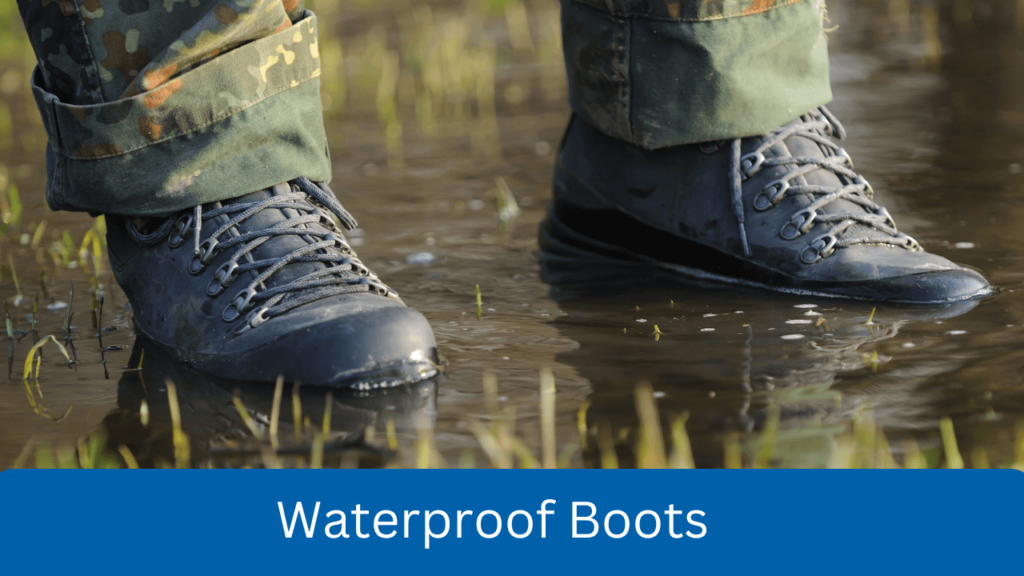
- Sturdy boots – Many trails are uneven, boggy, or rocky. Waterproof hiking boots with good ankle support are ideal.
- Spare socks – Always handy if you’re caught in rain or step in a boggy patch.
3. Stay Safe on the Trail
- Cliff walks – Keep away from edges, as ground can be unstable.
- Mountain routes – Weather can change suddenly; always check forecasts before setting out.
- Tell someone – If walking alone, let someone know your route and expected return time.
4. Use Maps and Signage
- Waymarked trails – Many Irish walks are well-marked, but some remote routes require good navigation skills.
- Offline maps – Phone signal can be patchy in rural and mountain areas, so download maps in advance.
5. Respect Nature & Local Communities
- Leave No Trace – Carry out what you bring in and respect wildlife.
- Close gates behind you – Many trails cross farmland.
- Support local – Stop at village cafés or pubs—it’s part of the experience and supports rural communities.
6. Choose the Best Time of Year
- Spring (March–May): Wildflowers in bloom, mild weather.
- Summer (June–August): Long days, great for coastal and mountain routes.
- Autumn (September–November): Beautiful golden landscapes, fewer crowds.
- Winter (December–February): Short days and wetter conditions—only for experienced hikers.
7. Essentials to Pack
- Rain jacket and warm layers.
- Water bottle and snacks.
- Sunscreen and hat (yes, Irish sun can surprise you!).
- First aid kit and walking poles for tougher terrain.
- Camera—you’ll want to capture those views!
Frequently Asked Questions About Walking in Ireland
Which is the best long walk in Ireland?
The Kerry Way is often considered the best long walk in Ireland. At 214 km, it loops around the famous Ring of Kerry, passing through mountains, lakes, valleys, and coastal villages. It takes 9–11 days to complete the full trail, but shorter sections are also very rewarding.
Where is the best walking in Ireland?
It depends on what you’re looking for:
- Coastal walks: Cliffs of Moher, Causeway Coast, Slieve League.
- Mountain hikes: Glendalough, Croagh Patrick, Mount Errigal.
- Long-distance trails: Kerry Way, Dingle Way, Burren Way.
Each region has its own charm, making Ireland one of the best walking destinations in Europe.
What are the most beautiful hikes in Ireland?
Some of the most breathtaking hikes include:
- Glendalough Spinc & Valley Walk (County Wicklow) – lakes, forests, and mountain views.
- Cliffs of Moher Coastal Walk (County Clare) – dramatic Atlantic scenery.
- Slieve League Cliffs (County Donegal) – among the highest sea cliffs in Europe.
- Dingle Way (County Kerry) – a mix of beaches, mountains, and Irish-speaking villages.
Is Ireland good for walking?
Yes—Ireland is a walker’s paradise. The country has hundreds of trails ranging from short scenic walks to challenging long-distance hikes. The variety of landscapes—cliffs, mountains, forests, and green valleys—means there’s something for everyone, whether you’re a beginner or an experienced hiker.
What is the best month to walk in Ireland?
The best months for walking in Ireland are May to September, when the weather is milder, days are longer, and trails are drier.
- May & June: Wildflowers in bloom and fewer tourists.
- July & August: Warmest weather but busier.
- September: Quieter trails with beautiful autumn colors.
Conclusion
Walking in Ireland is more than just a way to stay active—it’s a journey through some of the most breathtaking landscapes in Europe. From the dramatic cliffs of Moher to the serene lakes of Glendalough, each trail offers a unique glimpse into Ireland’s natural beauty, history, and culture.
Whether you’re a casual stroller looking for a peaceful afternoon walk or an experienced hiker ready to tackle long-distance trails like the Kerry Way or Dingle Way, Ireland has a route to suit every pace and interest. Along the way, you’ll discover charming villages, historic sites, and hidden viewpoints that make every step memorable.
The key is to plan ahead, dress for the unpredictable Irish weather, and take the time to soak in the scenery. Every walk here is an opportunity to connect with nature, experience local culture, and create lasting memories.
So lace up your boots, grab your raincoat, and explore the best walking routes Ireland has to offer—you’ll quickly understand why this country is a walker’s paradise.

Hi, I’m Tanvir, the founder and author of Explore Ireland Now. With a deep love for Ireland and its rich culture, history, and landscapes, I created this site to share everything that makes this beautiful country worth exploring. Whether you’re a local looking for hidden gems or a traveler planning your next adventure, I provide insightful guides, tips, and recommendations to help you experience Ireland to the fullest.
From stunning landscapes to vibrant cities and quaint villages, Ireland is full of wonders waiting to be discovered. Through my personal experiences and research, I aim to bring you the most up-to-date information and inspiration for your journey.
Thank you for visiting Explore Ireland Now—I hope my content helps you uncover all that this incredible country has to offer! If you have any questions or need travel advice, feel free to reach out.